
Landfill Dependency
Organic waste often ends up in landfill instead of being converted into something useful.
Scalable worm farm systems that turn organic waste into nutrient-rich vermicompost and worm tea — helping farms, estates, hospitality venues, schools, food retailers and commercial sites reduce landfill waste and build practical circular systems.
Green Earth Concepts designs and installs commercial worm farms that are practical, site-specific and built for long-term use — from medium units to large-scale waste diversion systems.
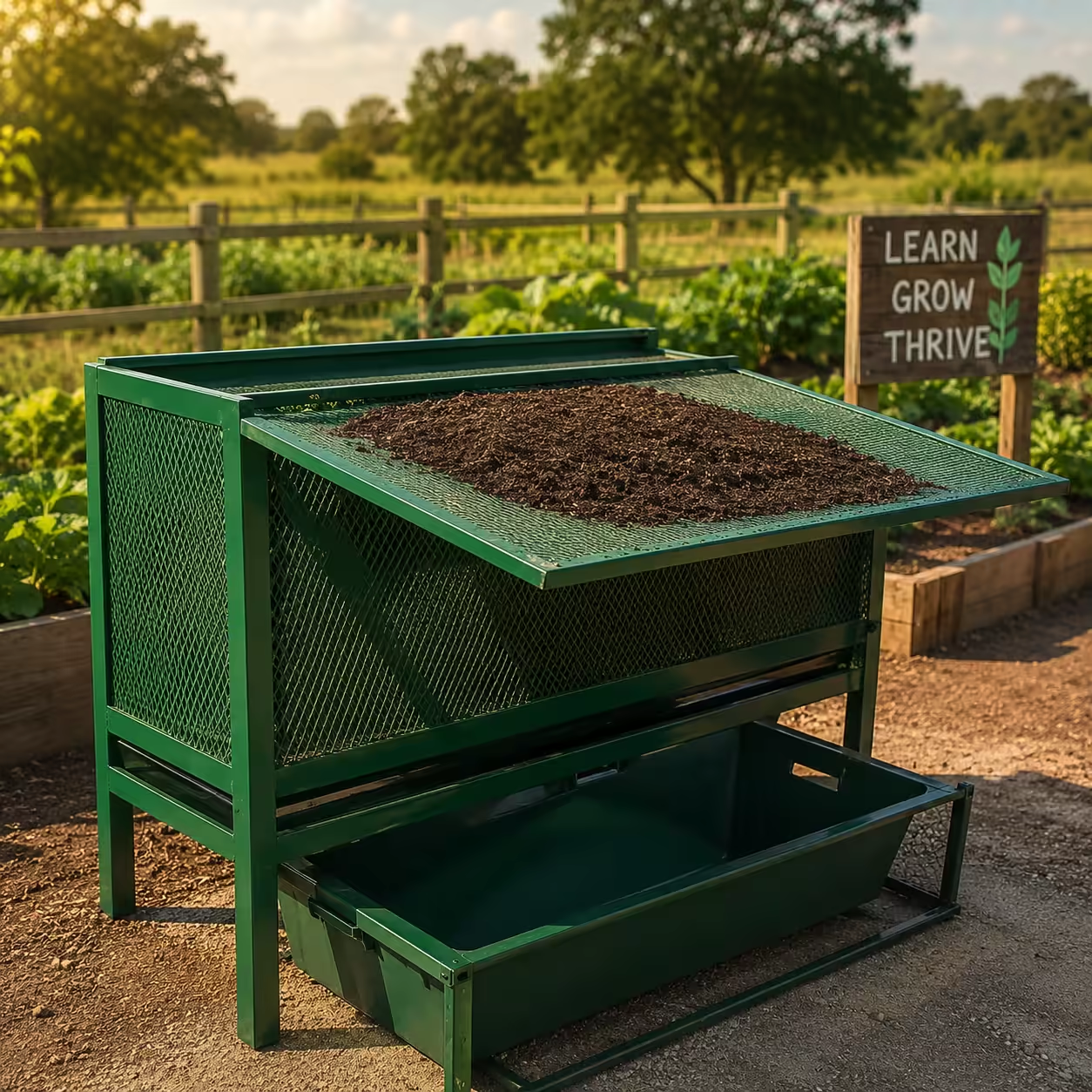
A commercial worm farm is more than a composting setup. It is a structured organic waste recycling system that helps businesses process food waste, garden waste and biodegradable organic material into useful outputs such as vermicompost and worm tea.
For businesses facing rising sustainability pressure, waste handling challenges and growing interest in soil health and circular systems, commercial worm farming offers a practical solution with measurable long-term value.
For many businesses, organic waste is still treated as a disposal problem rather than a resource. That creates unnecessary costs, lost value and missed sustainability opportunities.
Organic waste often ends up in landfill instead of being converted into something useful.
Poorly handled food and organic waste can create smells, flies, and operational hygiene concerns.
Food scraps, green waste and biodegradable material contain nutrients that could be returned to the soil.
Organic waste diversion is becoming more important for environmental responsibility and future compliance readiness.
Businesses are under growing pressure to demonstrate practical environmental action, not only good intentions.

A commercial worm farm is a scalable organic waste recycling system that uses composting worms to process organic material into valuable soil products — designed for sites that generate regular organic waste and want to divert it into a productive, regenerative cycle.
The result: a system that produces vermicompost, worm tea, improved soil inputs — and significantly less waste pressure.
Commercial worm farms help businesses reduce waste, improve environmental performance and create useful organic outputs that support healthier land and growing systems.
Divert food and organic waste away from landfill.
Convert waste streams into usable compost and liquid fertiliser.
Improve soil structure, fertility and long-term growing conditions.
Demonstrate practical environmental action on site.
Prepare for a future where organic waste diversion becomes increasingly important.
Create a structured system for handling organic waste more effectively.
Decrease reliance on externally purchased compost or some synthetic inputs where suitable.
Create a visible, functional loop between waste generation and land regeneration.
From farms to food retailers, our commercial worm farms are designed around real site needs and real waste streams.

Recycle crop waste, manure and organic material into valuable soil inputs.
Manage green waste and landscaping material in a more sustainable way.
Process food preparation waste and support gardens or landscaped environments.
Handle fruit, vegetable and biodegradable waste with a structured diversion system.
Support environmental education, food gardens and hands-on sustainability.
Create better environmental systems for organic waste management and site sustainability.
Support food security, compost production and regenerative growing systems.
From compact systems to extra-large waste diversion units, the right worm farm depends on your site, waste volume, available space and operational needs.


Not sure what size you need?
Book a Site AssessmentA commercial worm farm doesn't only reduce waste — it produces useful outputs that can be returned to the land.
Nutrient-rich material created as worms process organic matter — used to improve soil structure, plant health, organic matter and growing systems.
The liquid collected from the system — used as a soil-supporting liquid input across gardens, crops and landscaped areas.
Instead of sending organic material away as a waste cost, your site begins producing useful resources that support food production, landscaping and soil improvement.
Commercial worm farming follows a practical seven-step process. With the right separation, preparation and care, organic waste becomes vermicompost and worm tea that can be returned to the land.
Suitable organic waste is separated from general waste so it can be processed cleanly.
Green organic waste is balanced with brown carbon-rich material such as leaves, wood chips or sawdust.
Prepared feedstock is added in a controlled way and covered with brown material to manage odour and flies.
The system needs the right moisture, oxygen and material balance to keep worms active and healthy.
Once organic material has been processed, vermicompost is screened and collected for use.
Liquid from the system is collected and used as a soil-supporting liquid input where appropriate.
Vermicompost and worm tea support gardens, crops, landscapes and long-term soil regeneration.
Green Earth Concepts follows a practical six-step process to design, install and support worm farm systems built for long-term use.
The right system depends on more than just the amount of waste. We assess the broader site context to make sure the solution fits your operations.
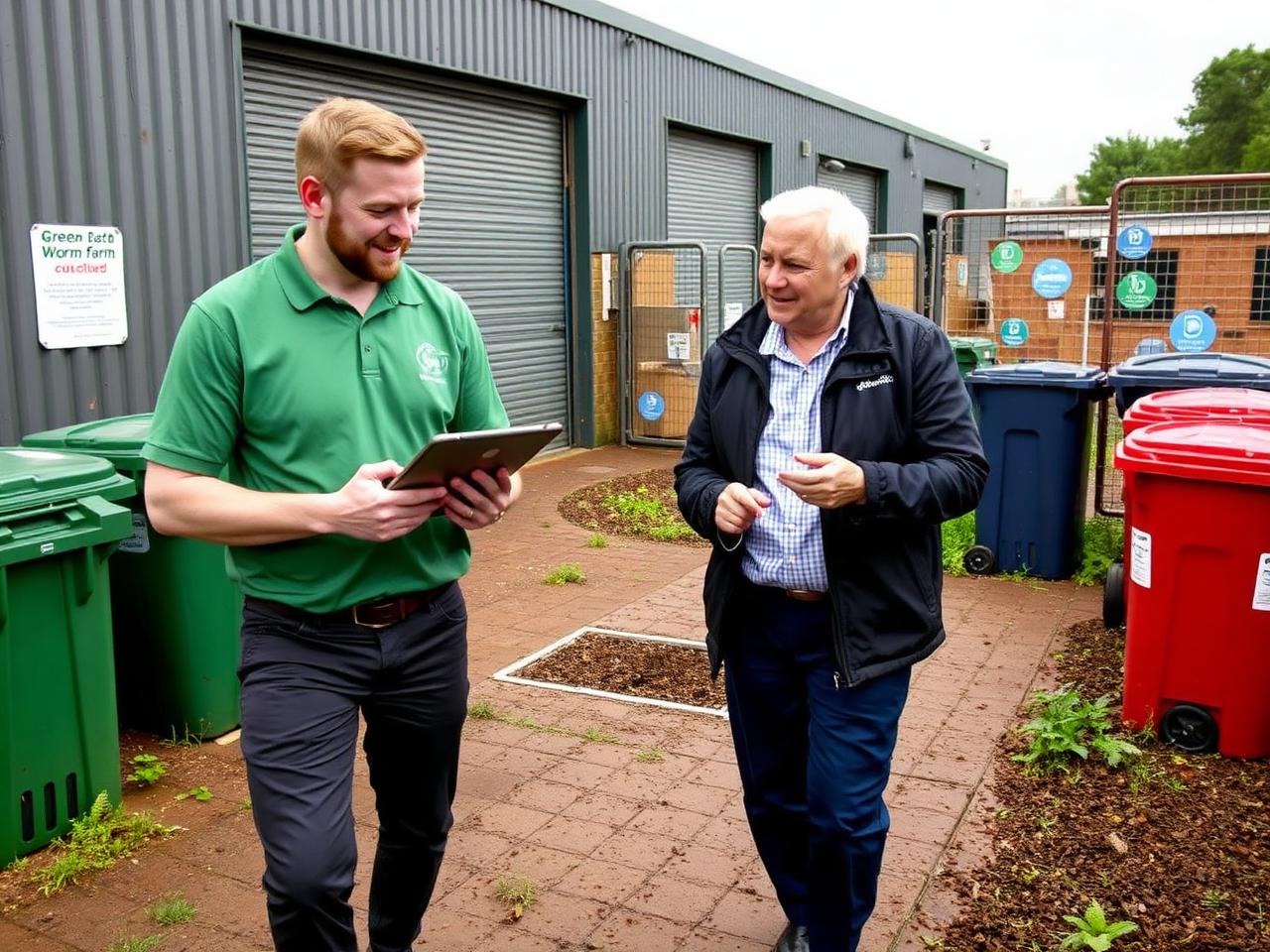
Every site generates organic waste in a different way. Here's what a commercial worm farm looks like across four of the environments we work in most.
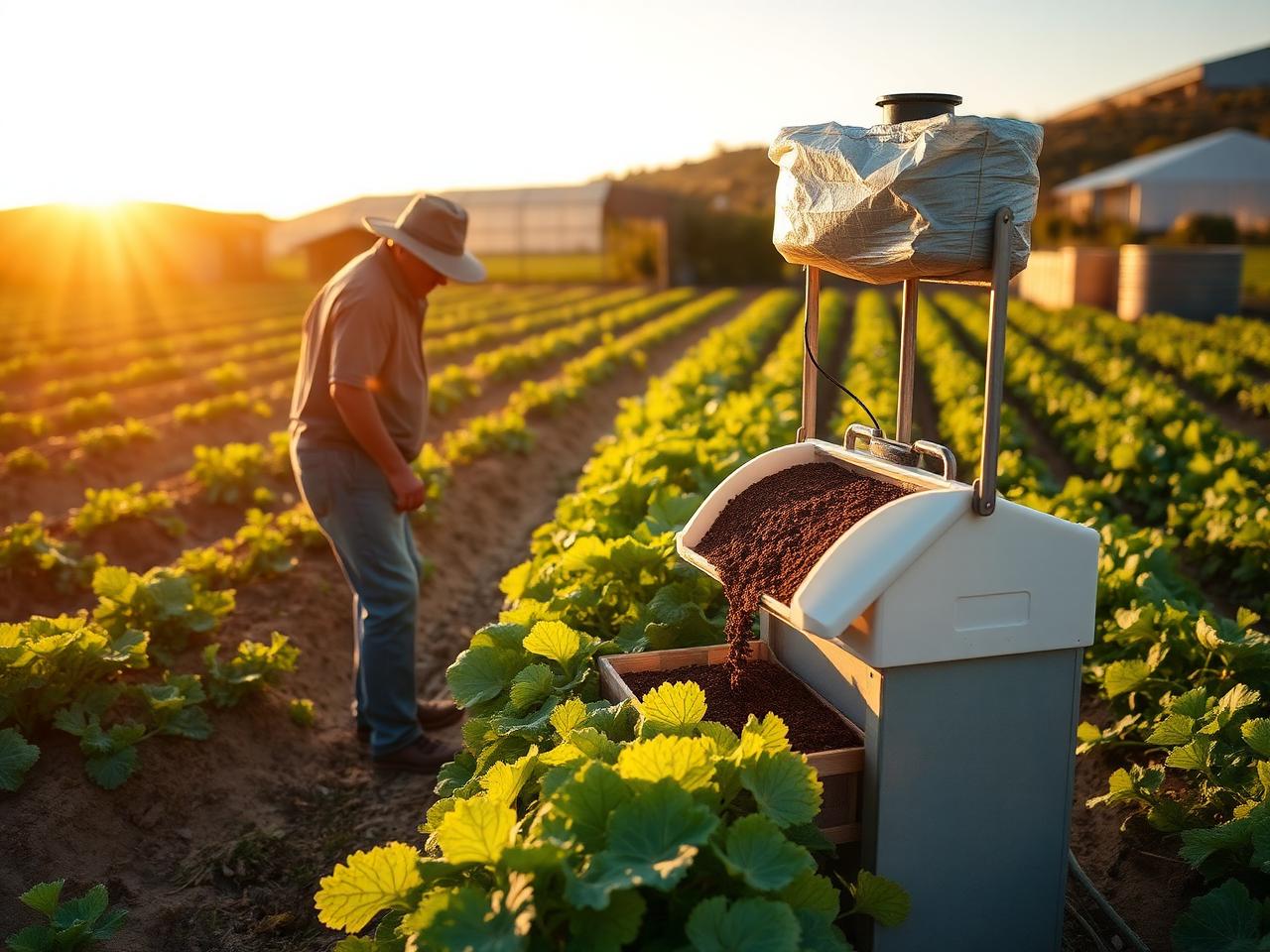
Recycle plant matter, crop residues and suitable organic material into vermicompost and worm tea that support soil health, growing systems and long-term land resilience.
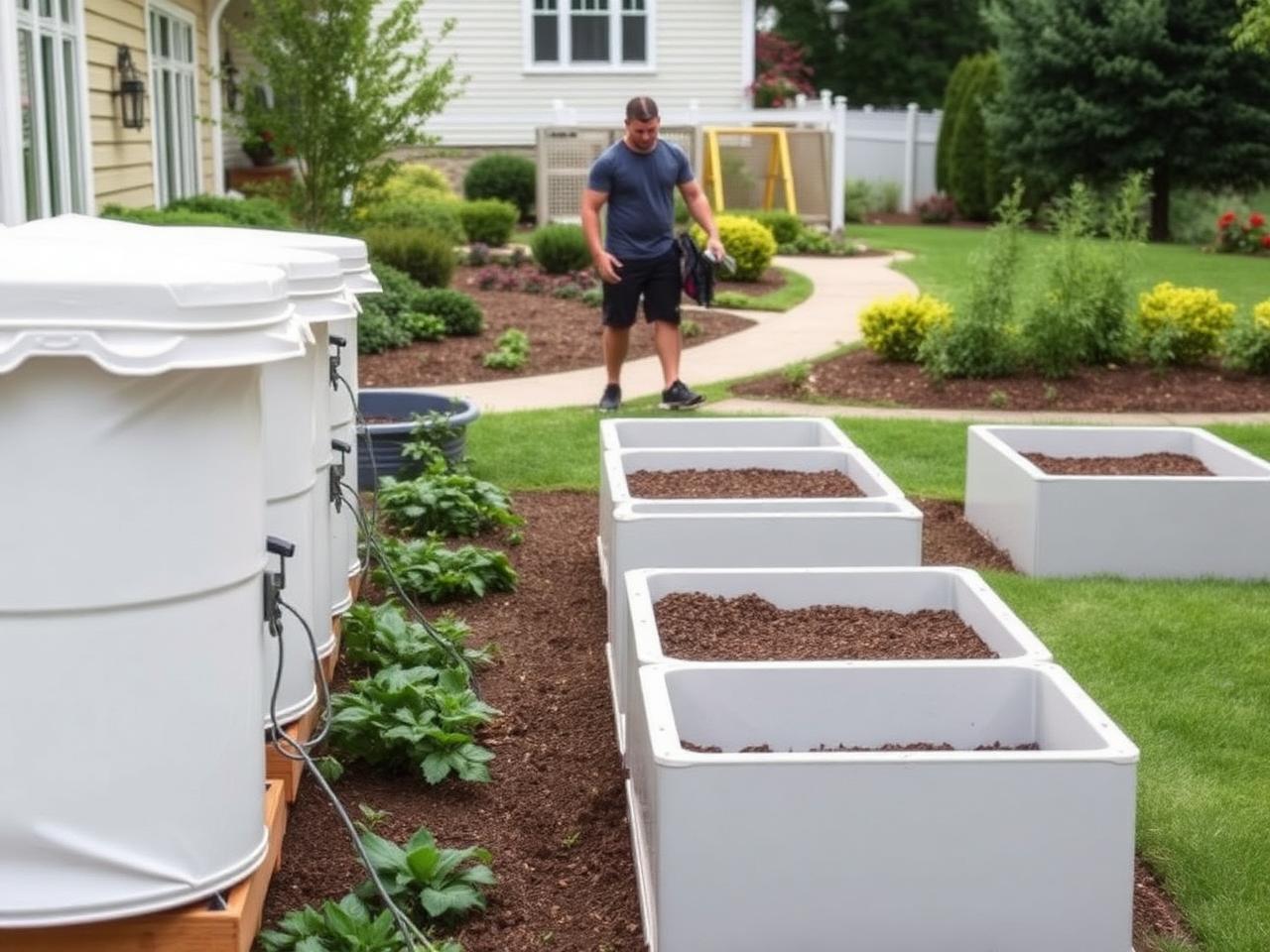
Turn garden waste, leaves, grass clippings and shared landscape material into compost that supports gardens, maintenance teams and visible estate sustainability.
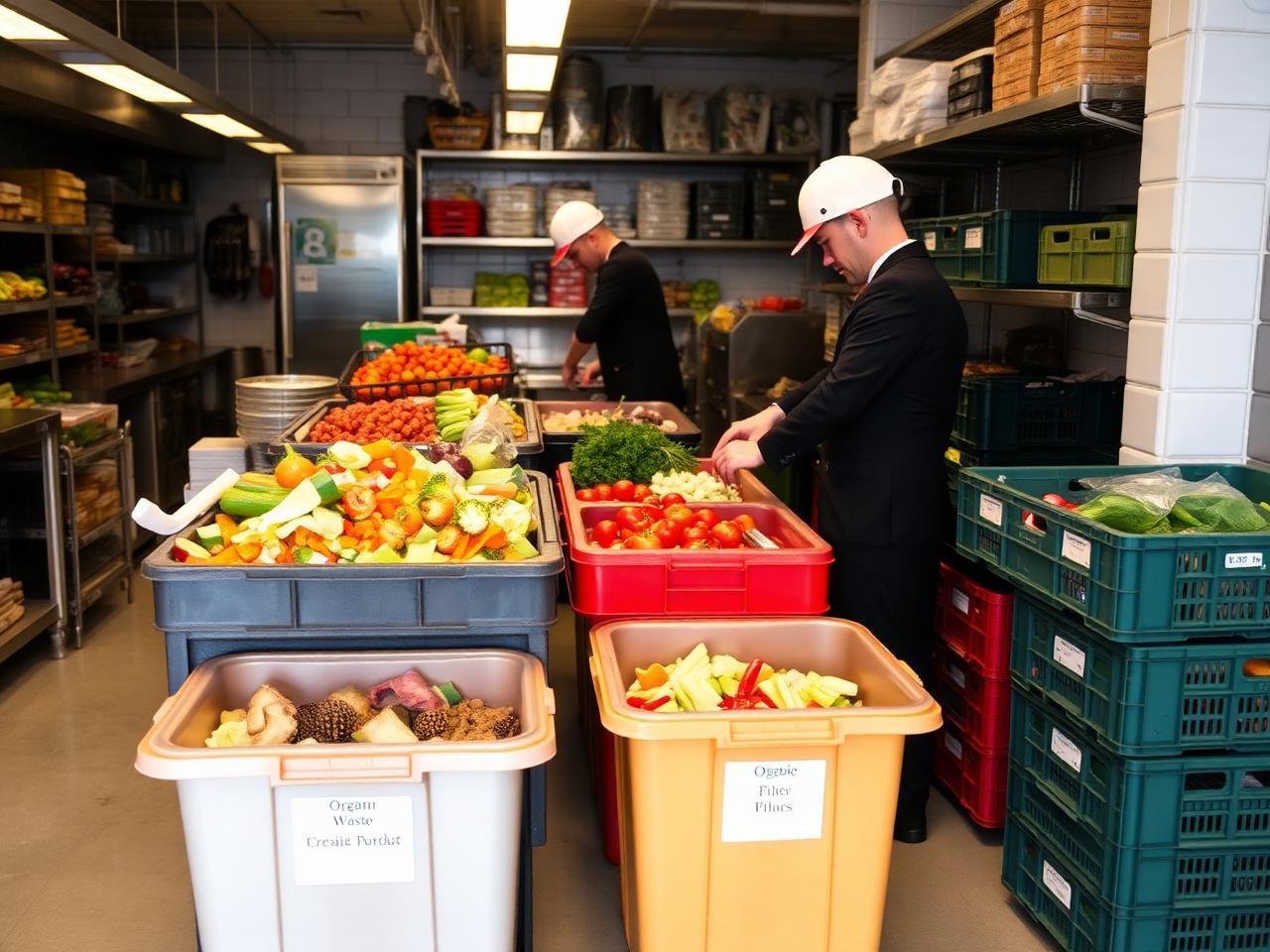
Redirect fruit, vegetable and food preparation waste into a structured recycling system that supports sustainability storytelling and reduces landfill dependency.
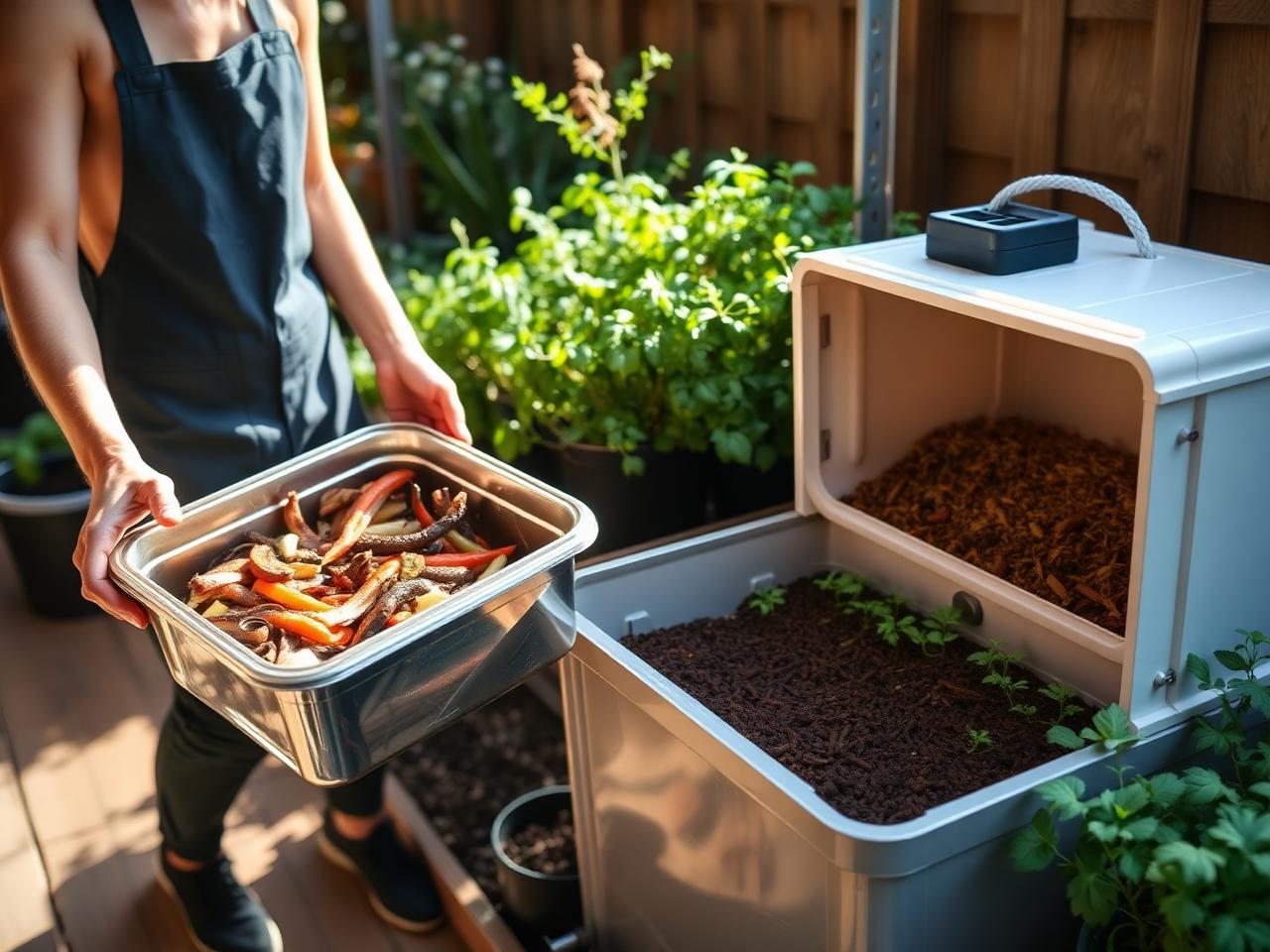
Connect kitchen waste, herb and vegetable gardens, landscaping and guest-facing sustainability into one visible kitchen-to-garden circular system.
A medium system helps a smaller site recycle suitable organic waste and produce compost for gardens or food growing areas.
A larger system helps a farm repurpose organic material into soil-supporting outputs that can be used directly on site.
A high-volume system supports larger waste streams and turns organic waste into useful resources at scale.
A hospitality site links kitchen waste, worm farming, compost output and garden use into one circular system.
A food retailer separates produce waste and diverts suitable material into a managed organic recycling process.
A community project uses worm farming to support compost production, food gardens, training and soil health.

A successful worm farm isn't just installed — it must be managed properly. Green Earth provides hands-on guidance so your team runs the system with confidence.

A practical medium-scale worm farming unit designed to recycle organic waste and produce usable organic fertiliser.

A commercial waste diversion approach supporting better organic waste management in a food retail environment.

A food garden project supported by regenerative growing principles and soil-focused sustainability.
"Worm farming development and installation. It's good to do farming using organic material. Keep up the good work Green Earth South Africa."
"I love their involvement with nature. I am also a farmer, ecologist, environmentalist and nature conserver."
"Gina and her team are wonderful. They came and did a worm farm installation for us all the way in the Free State. Highly recommend their services!"

A commercial worm farm is a structured organic waste recycling system that uses worms to process food waste and other organic material into vermicompost and worm tea.
That depends on the system size. Green Earth offers systems ranging from smaller units to extra-large setups capable of recycling up to 80 tons of organic waste per month.
The right size depends on your waste volume, available space, operational setup and goals. Green Earth recommends the best-fit system after a site assessment.
Typically food waste, green organic waste, leaves and suitable biodegradable materials. The exact feedstock depends on the site and system design.
A properly managed worm farm should be far more controlled than unmanaged waste storage. Correct feedstock balance, covering material, moisture management and airflow all help reduce odour.
Good management and proper carbon cover help reduce fly and pest issues.
Vermicompost is used to improve soil structure, plant health and organic matter in gardens, farms and landscaped areas.
Worm tea is used as a liquid soil-supporting input for gardens, crops and plant systems.
Yes. Green Earth provides hands-on training and ongoing support.
Yes. Systems can be designed around site size, waste volumes and operational needs.
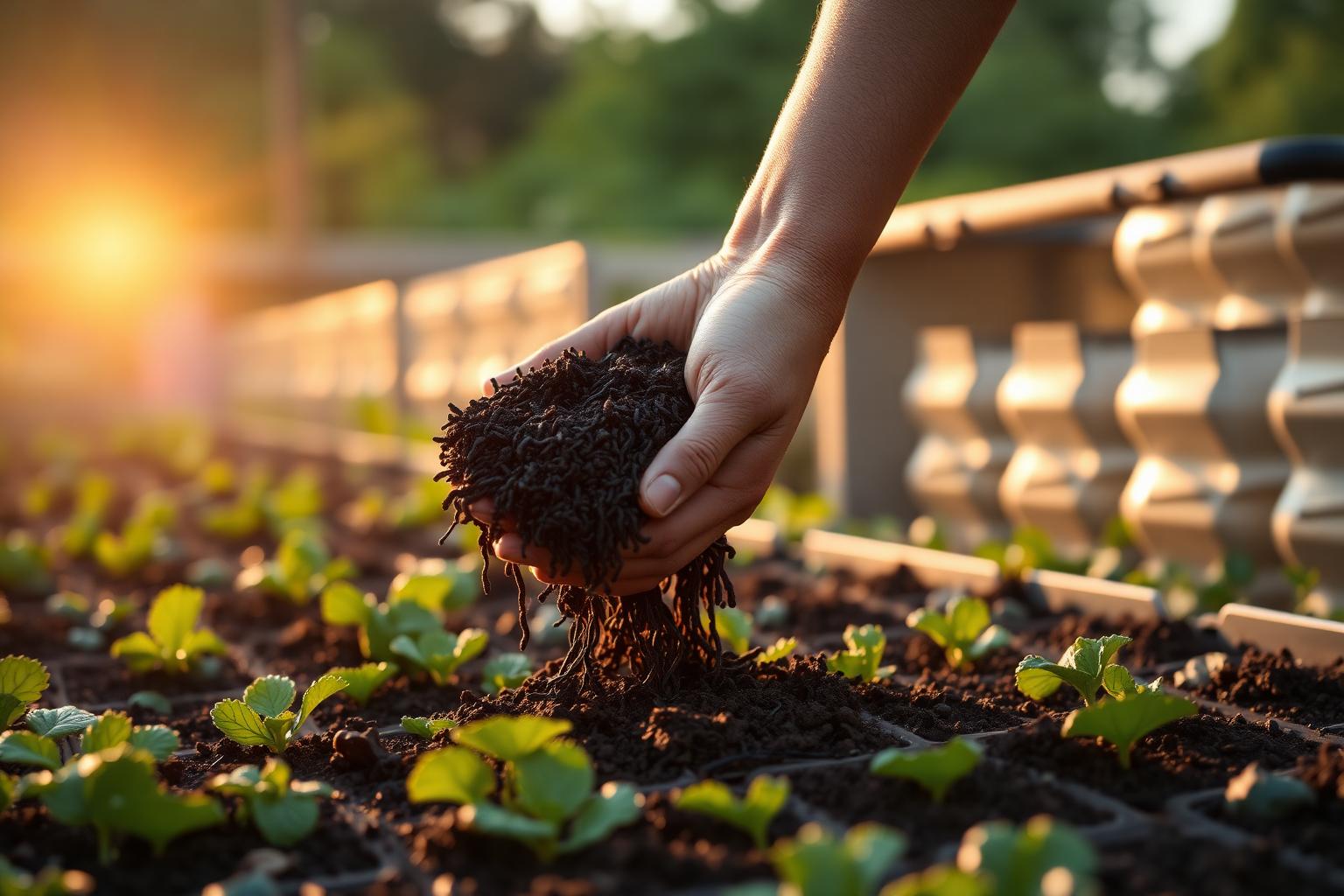
Whether you run a farm, estate, hospitality venue, food business, school or commercial property — let's assess your environment, understand your waste stream and recommend a practical solution that works.
Practical systems · Healthier soil · Less landfill · Long-term value