Custom-designed food gardens and growing systems for homes, estates, farms and commercial environments.
Green Earth Concepts helps clients turn available land, organic resources, water access and site conditions into practical growing systems that support food production, soil health, and long-term resilience.
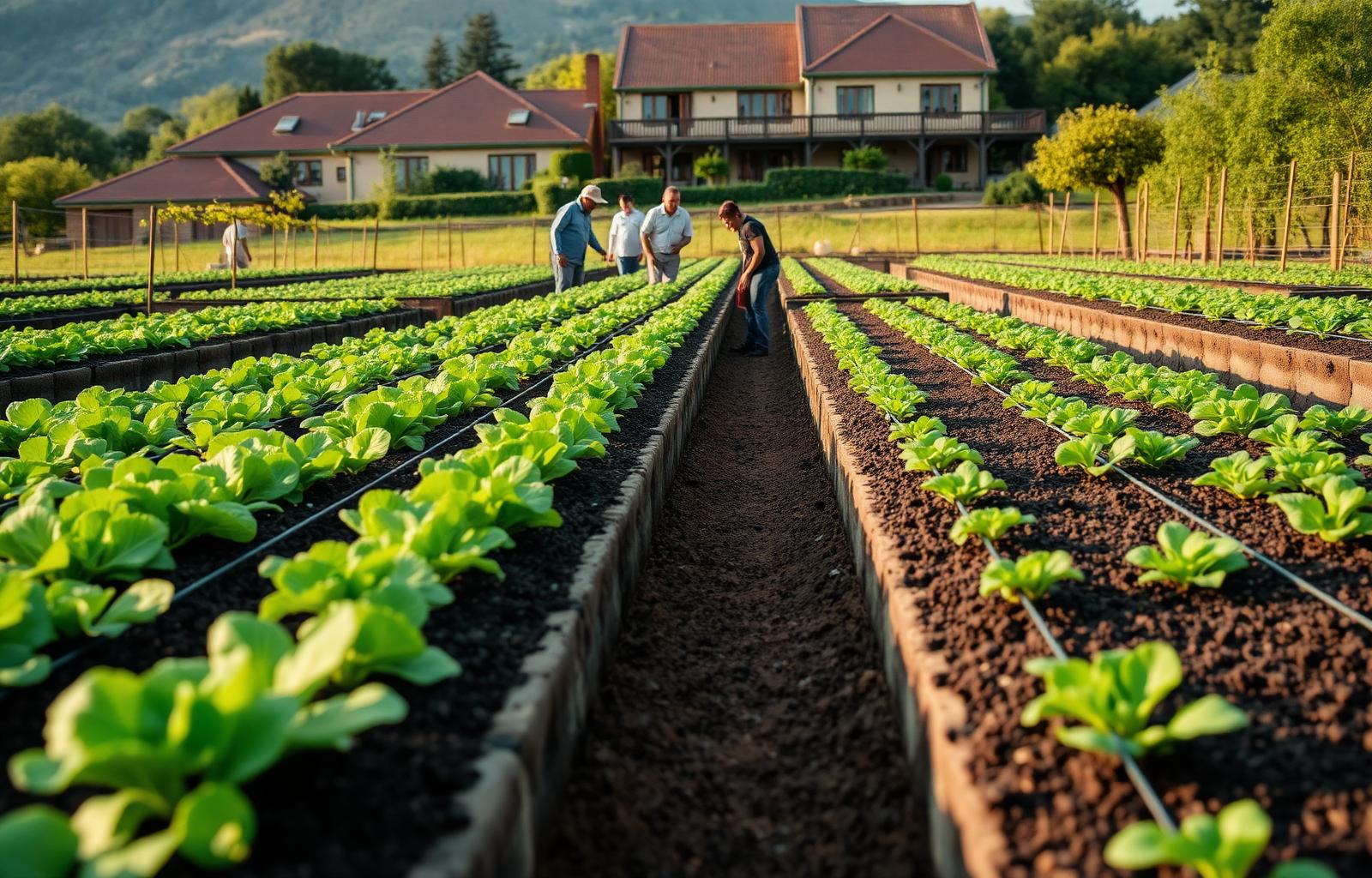
Supports food production
Create productive growing spaces that can support homes, communities, estates, farms, and commercial sites.
Designed for your site
Every system is planned around your land, soil, water access, climate, layout, and goals.
Encourages soil health
Build healthier growing environments through compost, organic inputs, and soil-focused systems.
Community & commercial
From small food gardens to larger agricultural systems, we design solutions that fit the site.
Long-term resilience
Systems built to be maintained, improved, and used for lasting food and environmental value.
Food Production Starts With Healthy Systems
Many homes, estates, schools, farms and commercial properties have unused or underused land that could become productive. But a successful growing system needs more than planting a few vegetables.
It needs the right soil preparation, water access, layout, crop planning, compost, maintenance routines, and team knowledge. Sustainable agriculture turns land into a practical growing environment that supports food, healthier soil and long-term environmental value.
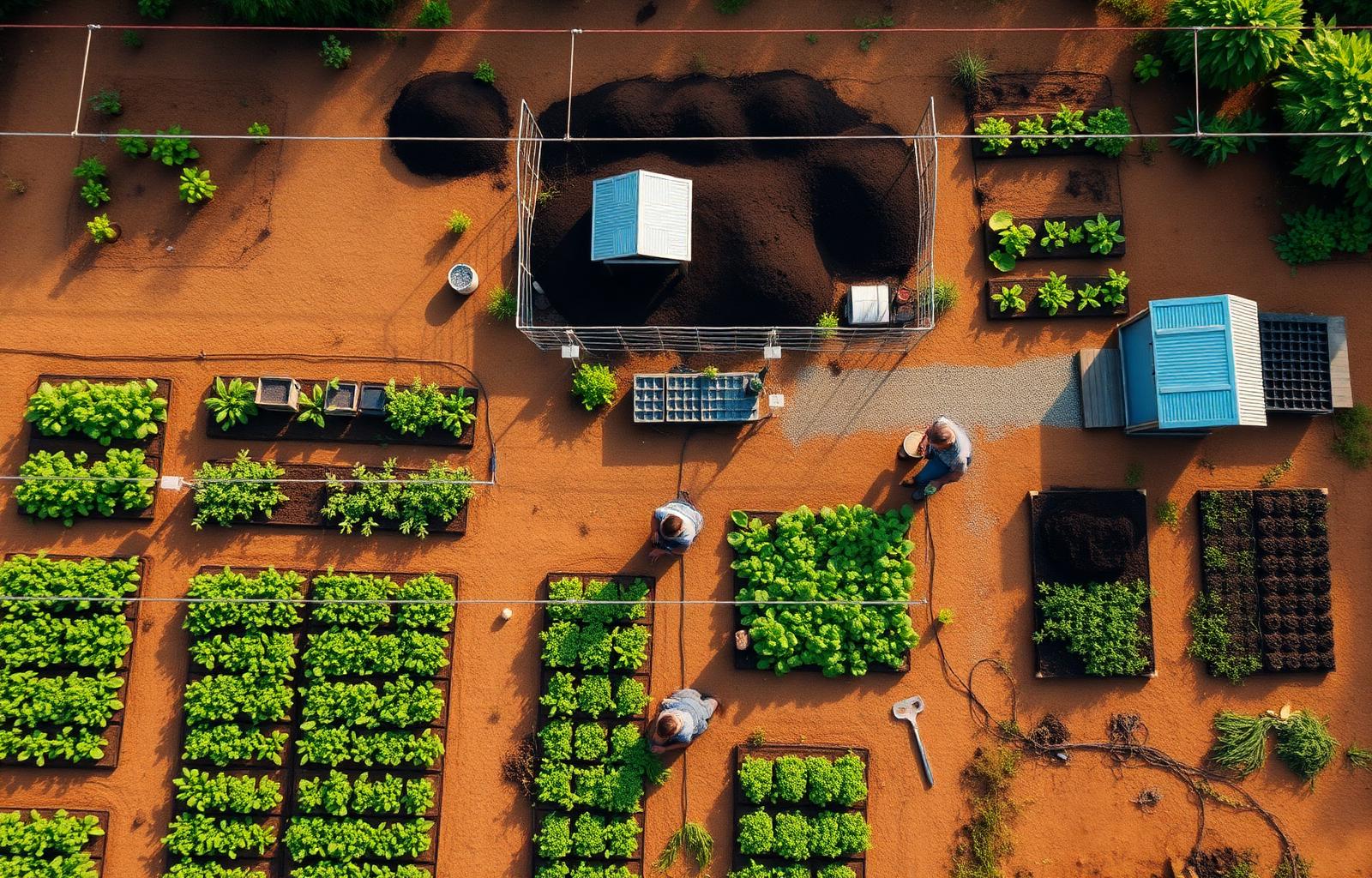
Unused land
Available space often sits empty instead of supporting food production or community value.
Poor soil quality
Many growing areas need organic matter, structure, drainage improvement, or soil support before planting.
Water challenges
Without water-wise design, gardens can become difficult or costly to maintain.
No clear growing plan
Planting without layout, spacing, crop planning or maintenance routines can reduce success.
Short-term thinking
A garden should not only work for one season — it should be designed for long-term resilience.
Underused land
Empty land → poor soil → no water plan → low productivity
Productive growing system
Site assessment → soil preparation → growing beds → irrigation → food production → long-term resilience
A Practical Approach to Growing Food Responsibly
Sustainable agriculture is the design and management of growing systems that support food production while caring for the land, soil, water and long-term productivity of the site.
For Green Earth Concepts, this means creating practical systems that fit the client's real environment — food gardens, growing beds, greenhouse areas, compost-supported planting, seedling areas, irrigation, soil improvement, crop rotation, harvesting routines and training.
Sustainable Agriculture Includes
Designed for Homes, Estates, Farms, Schools and Commercial Sites
Homes & Small Holdings
Practical food gardens for families, small-scale growers, or lifestyle properties that want healthier, more productive land.
Estates
Turn shared land, garden areas, or unused spaces into food gardens, community growing areas, or sustainability features.
Farms
Support soil health, growing system design, food production, and practical agricultural resilience.
Schools
Food gardens that support learning, food security, environmental education, and hands-on sustainability.
Hospitality Venues
Gardens that can support herbs, vegetables, landscaping, guest experiences, and sustainability goals.
Commercial Properties
Use available land to create environmental value, staff engagement, and visible sustainability initiatives.
Community Projects
Growing systems that support food security, skills development, local participation, and long-term value.
Sustainable Growing Systems Built Around Your Site
A sustainable agriculture system should fit the land, the people and the purpose behind the project.
Food Gardens
Custom food gardens designed for homes, estates, schools, community spaces, hospitality and commercial environments.
Growing Beds
Structured growing beds planned around space, soil, crop needs, irrigation access, and ease of maintenance.
Greenhouse & Covered Areas
Where appropriate, covered growing environments help protect plants and improve growing consistency.
Soil Improvement Systems
Organic matter, compost, vermicompost and mulch help create healthier growing conditions.
Irrigation Integration
Water-wise irrigation planning supports plant health while making the system easier to maintain.
Seedling & Planting Support
Planning for seedlings, planting schedules, spacing, and crop layout helps improve productivity.
Maintenance Systems
Practical routines for weeding, watering, feeding, pruning, harvesting and cleaning help the system last.
Training & Handover
Teams, families, school staff or site workers can be trained to manage the garden confidently.
Why Invest in a Sustainable Growing System?
Supports Food Production
Productive growing spaces for households, staff, communities, hospitality kitchens, schools or commercial goals.
Improves Soil Health
Compost, organic matter and soil-focused practices support healthier conditions over time.
Uses Land Productively
Turn underused or unused land into a functional asset that creates environmental and food value.
Water-Wise Growing
Plan irrigation around the site's real needs — reduce waste and improve consistency.
Builds Practical Skills
Train people to plant, maintain, harvest and care for the system with confidence.
Supports Communities
Food gardens bring people together around food security, education and shared action.
Sustainability Goals
A visible growing system shows practical commitment to regeneration and long-term impact.
Long-Term Resilience
Systems designed to keep improving through better soil, routines and site management.
Every Growing System Starts With the Site
No two sites are the same. Soil, sunlight, water, slope, drainage, wind, space, access, and maintenance capacity all affect how a growing system should be designed.
- Available land
- Soil condition
- Soil type and drainage
- Sunlight and shade
- Water access
- Existing irrigation
- Wind and exposure
- Access for tools and maintenance
- Available compost or organic inputs
- Food production goals
- Community or commercial objectives
- Team capacity
- Budget and timeline
- Long-term maintenance needs
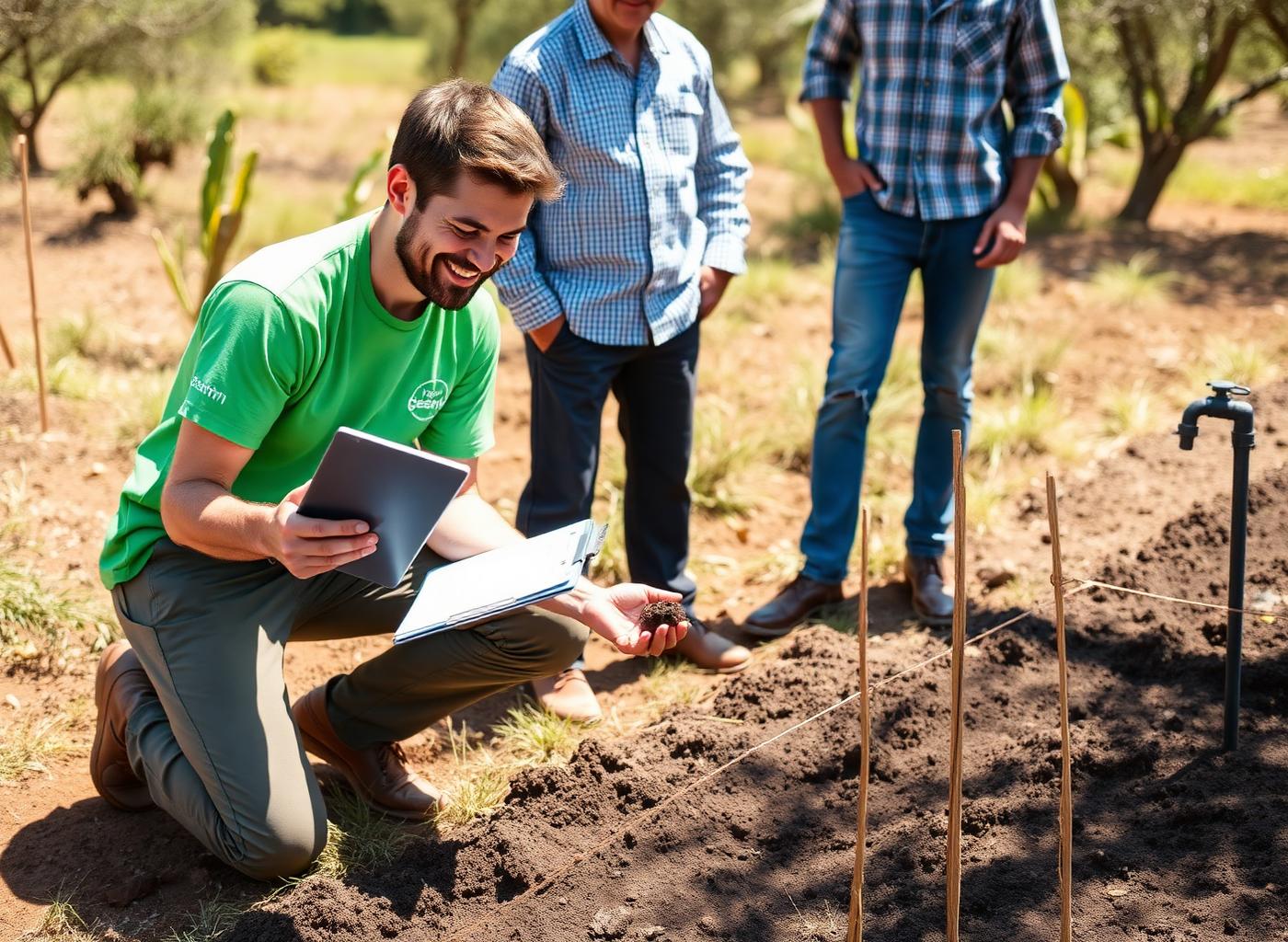
From Site Assessment to Productive Growing System
Site Assessment
We assess your land, soil, water access, current infrastructure, growing goals, and operational needs.
Growing System Design
We design a system that fits your site conditions, available space, food production goals, and maintenance capacity.
Soil & Site Preparation
We prepare the growing area using appropriate soil improvement, compost, layout, and bed preparation methods.
Irrigation & Infrastructure
Practical water-wise irrigation and infrastructure planning where needed.
Planting & Setup
We help establish the growing system with suitable planting layouts, spacing, seedlings, and crop planning.
Training & Handover
We train the people who will manage the system — watering, feeding, weeding, harvesting and maintenance.
Ongoing Support
Guidance to help keep the system productive, healthy, and resilient over time.
Healthy Soil Is the Foundation of Sustainable Agriculture
A productive garden starts below the surface. Soil health affects how well plants grow, how water moves through the ground, how roots develop, and how resilient the system becomes over time.
We encourage soil-focused growing systems that use organic matter, compost, vermicompost, mulch and practical maintenance routines to support long-term soil improvement.
Designed to Grow What the Site Can Sustain
Sustainable agriculture is not only about planting. It is about choosing the right crops, preparing the right layout, and creating a system that can be maintained through the growing cycle.
Book a Site Assessment- Type of crops
- Seasonal planting
- Seedling production
- Plant spacing
- Crop rotation
- Harvesting needs
- Food use or distribution goals
- Maintenance routines
- Pest monitoring
- Soil feeding
- Watering schedule
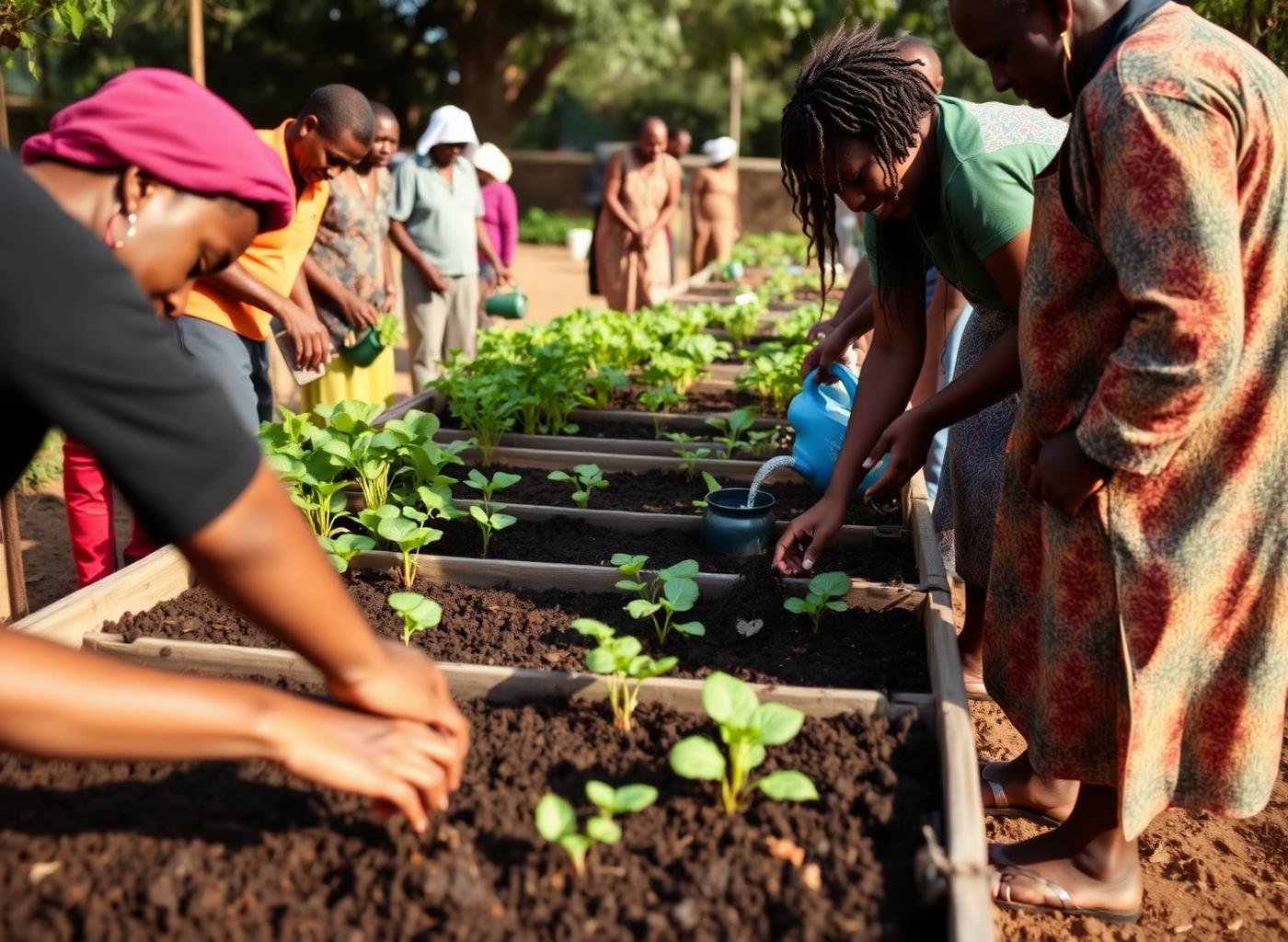
Growing Systems That Support People and Place
Food gardens can support education, food security, community participation, skills development and local resilience. Green Earth Concepts helps community-focused projects create systems that are practical, manageable and designed for long-term use.
Practical Growing Systems for Business Sites
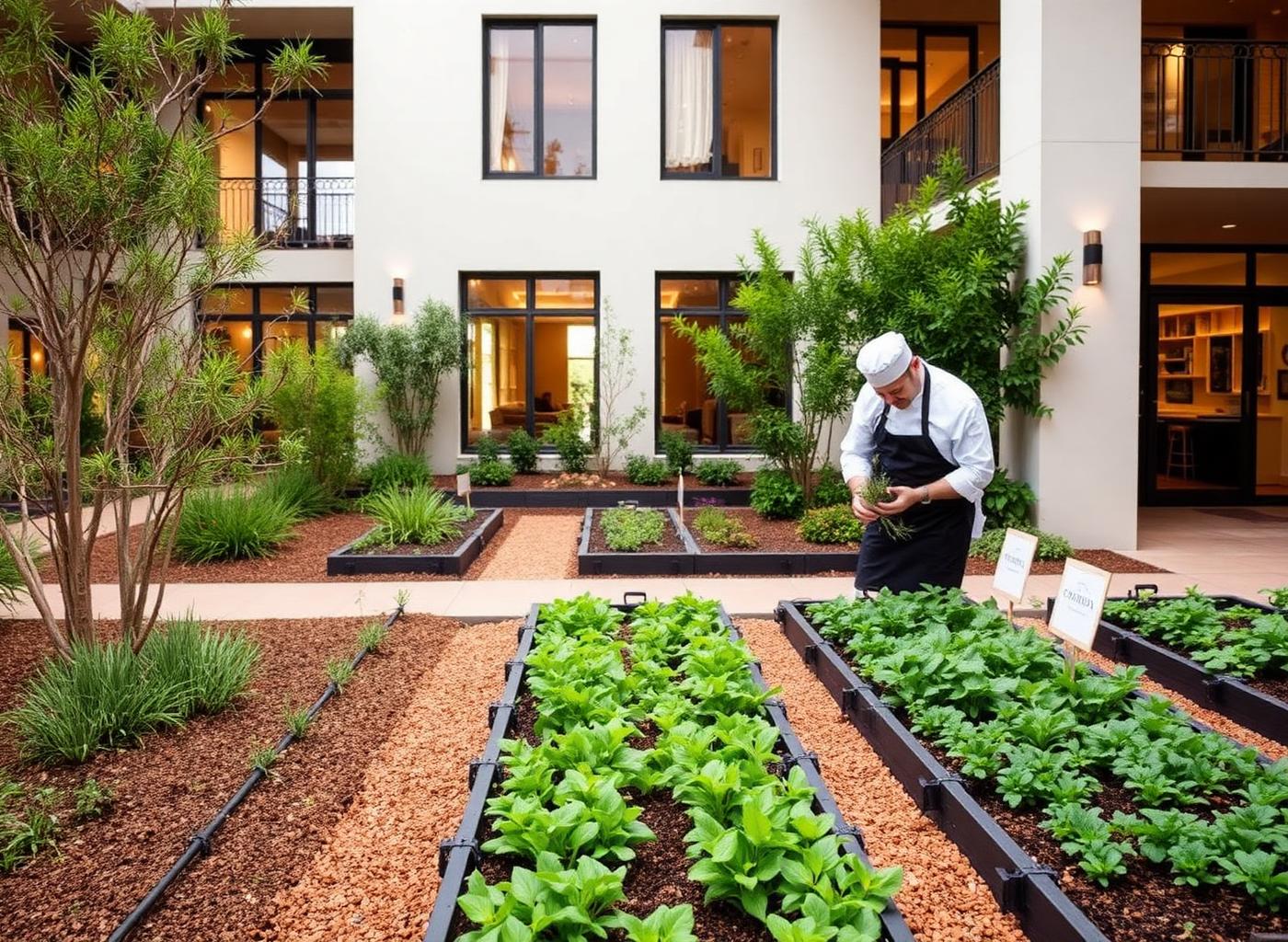
For hospitality venues, estates, farms, schools and commercial properties, a well-designed growing system can support food production, sustainability communication, staff engagement, guest experience and environmental reporting.
- Hospitality herb and vegetable gardens
- Estate food gardens
- School growing systems
- Commercial property sustainability gardens
- Farm crop and soil support systems
- Community upliftment gardens
- Staff wellness and engagement gardens
- Demonstration gardens for sustainability programmes
A Growing System Works Best When People Know How to Care for It
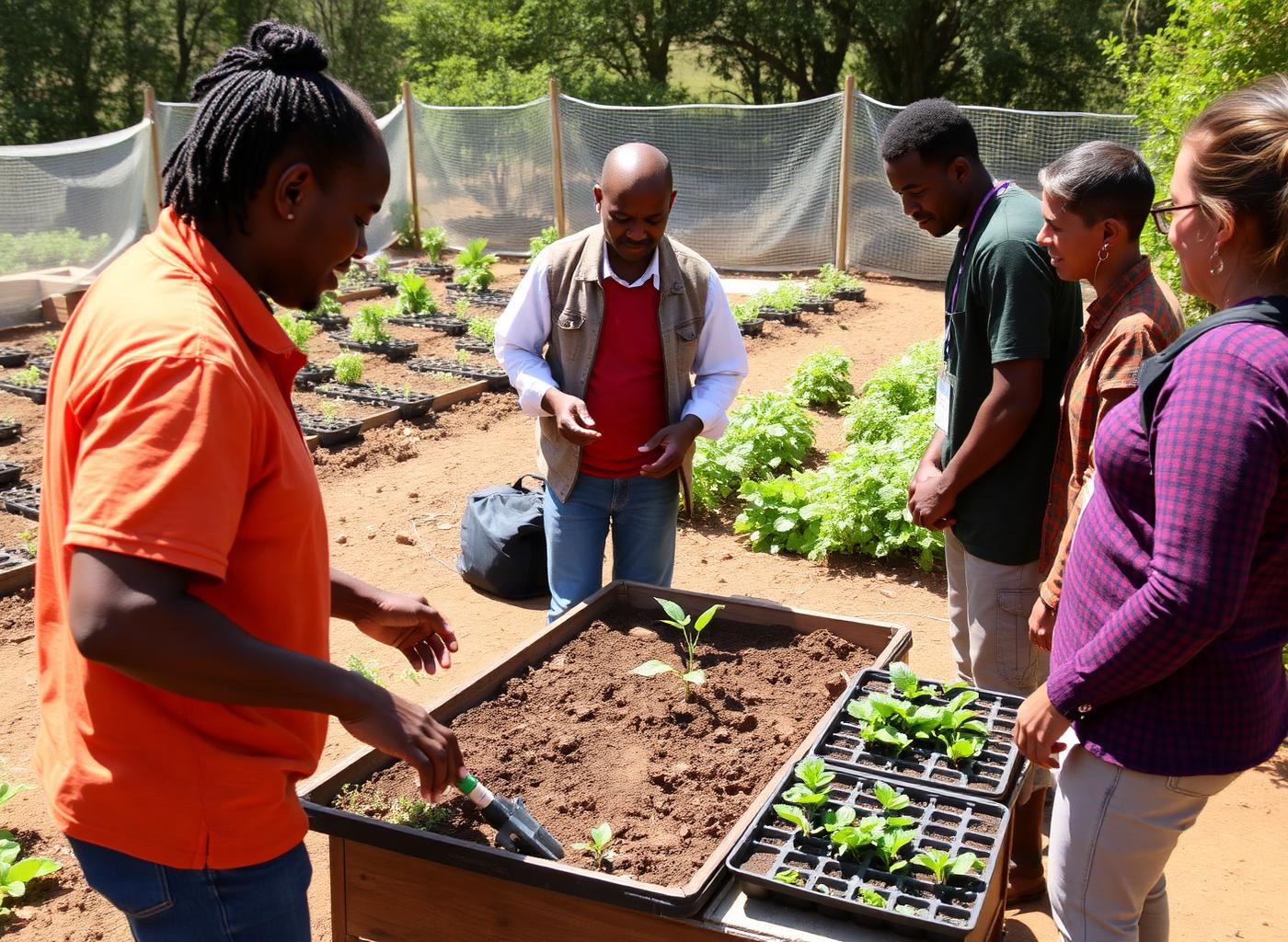
Green Earth Concepts provides practical training and support so clients understand how to care for the garden, maintain soil health, manage water, monitor plants and keep the system productive.
- Soil preparation
- Planting methods
- Seedling care
- Watering routines
- Irrigation basics
- Compost and vermicompost use
- Mulching
- Weeding
- Plant spacing
- Harvesting
- Basic pest monitoring
- Garden maintenance schedules
- Team roles and responsibilities
Built to Keep Growing
A sustainable growing system should not collapse after the first season. A good system needs ongoing care, seasonal adjustments, soil feeding, watering routines, harvesting, weeding, pruning and practical monitoring.
Practical Environmental Systems With Real-World Impact
We design systems that can be implemented, maintained, measured and improved — not just ideas that look good on paper.
What Sustainable Agriculture Can Look Like on Site
Estate Food Garden
An estate turns available land into a productive shared growing area supporting food production, soil health and resident engagement.
School Growing System
A school creates a practical food garden that supports environmental education, skills development, and food awareness.
Hospitality Garden
A hospitality venue grows herbs, vegetables or edible landscaping that supports guest experience and sustainability goals.
Community Food Garden
A community project develops a growing system that supports local participation, food security, and practical skills.
Farm Soil Support System
A farm integrates compost, organic inputs, crop planning and soil improvement to build long-term resilience.
Commercial Sustainability Garden
A commercial property uses available land to create a visible environmental project with measurable sustainability value.
Frequently Asked Questions
What is sustainable agriculture?
Sustainable agriculture is a practical approach to growing food while supporting soil health, water efficiency, land productivity, and long-term resilience.
What types of sites can benefit?
Homes, estates, farms, schools, hospitality venues, commercial properties, and community projects can all benefit from a well-designed growing system.
Can Green Earth Concepts design a food garden for our site?
Yes. We design custom food gardens and growing systems based on your site conditions, goals, available space, and maintenance capacity.
Do you help with soil preparation?
Yes. Soil preparation and soil health are key parts of sustainable agriculture — including compost, organic matter, vermicompost, mulch, and practical soil improvement methods.
Can this work for a commercial property?
Yes. Commercial properties can use sustainable agriculture for food gardens, staff engagement, sustainability projects, environmental reporting, and better use of available land.
Can this support community projects?
Yes. Food gardens can support food security, skills development, education, community participation, and long-term resilience.
Do you provide irrigation support?
Yes. Irrigation and water-wise planning can form part of the system design where required.
Do you provide training?
Yes. Green Earth Concepts provides hands-on training and guidance so the people responsible for the system know how to maintain it.
Do we need a site assessment?
Yes. A site assessment helps determine what the land can support, what the soil needs, how water will be managed, and what type of growing system will work best.
Can the system be expanded later?
Yes. Where possible, systems can be designed with future growth in mind, allowing the growing area to expand as capacity, resources or demand increases.
Ready to Grow Something That Lasts?
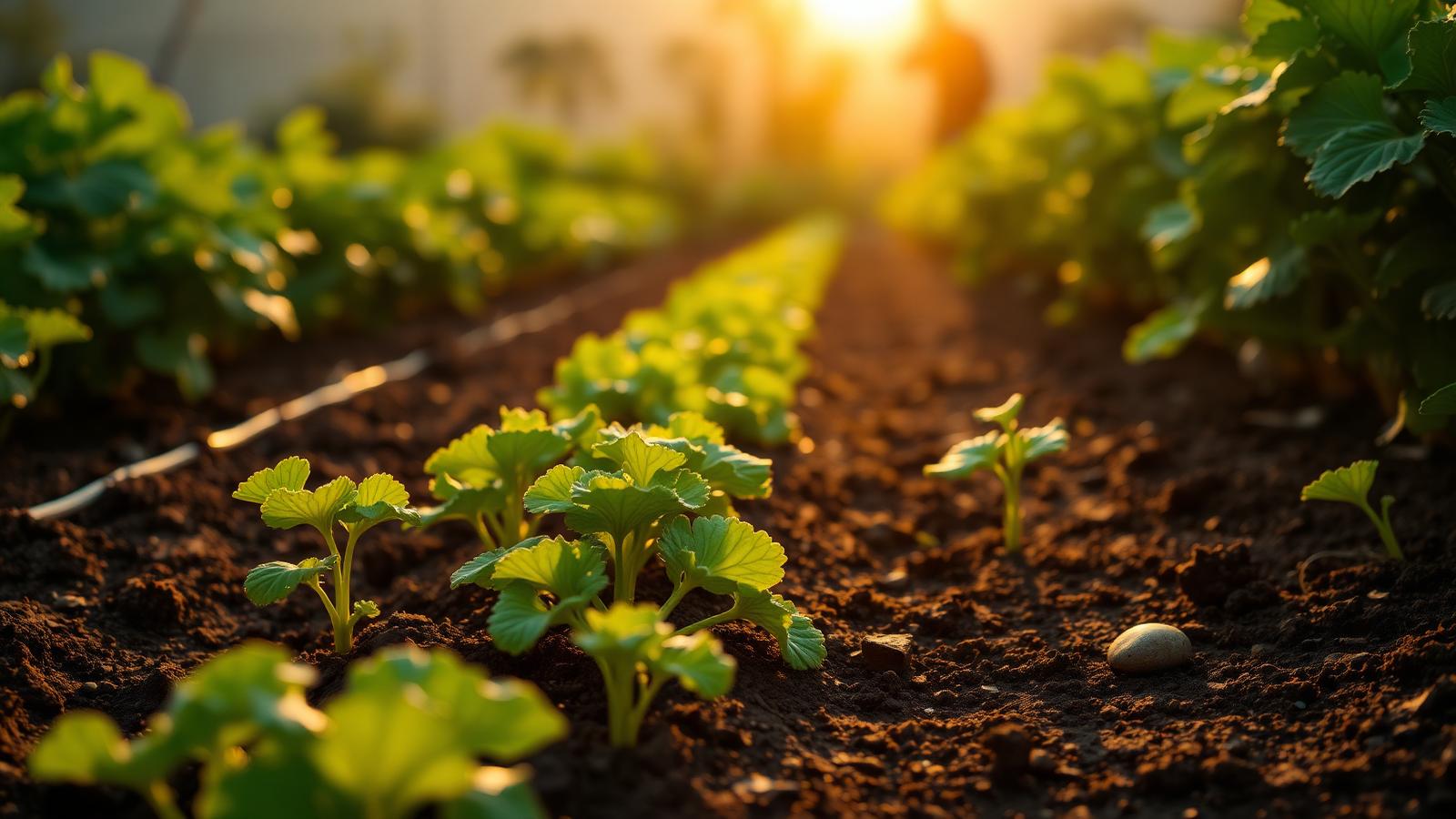
Your land can become more than open space. With the right design, soil preparation, irrigation, planting plan and training, it can become a productive growing system that supports food production, soil health and long-term resilience.
Food production · Healthy soil · Long-term resilience
Build a Complete Environmental System
Organic Waste Recycling
Separate and repurpose organic waste into usable resources that support circular environmental systems.
Learn moreCommercial Worm Farms
Convert suitable food and organic waste into vermicompost and worm tea.
Learn moreIrrigation Systems
Install water-wise irrigation solutions that support healthier growing environments.
Learn moreTraining & Development
Upskill teams so they can manage food gardens and environmental systems confidently.
Learn moreCompliance Support
Support environmental planning, sustainability goals, and changing compliance expectations.
Learn moreLet's Design Your Sustainable Agriculture System
Book a site assessment and we'll plan a practical growing system that fits your land, soil, water and long-term goals.