Practical systems that help businesses separate, process, and repurpose organic waste.
Green Earth Concepts helps farms, estates, hospitality venues, food retailers, schools, and commercial properties reduce landfill dependency and turn organic waste into usable environmental resources.
Reduces landfill dependency
Divert organic waste away from landfill and into more useful on-site or managed systems.
Supports environmental compliance
Prepare your business for changing waste diversion and sustainability expectations.
Turns waste into usable resources
Repurpose organic material into composting inputs, worm farm feedstock, and soil improvement material.
Helps improve sustainability reporting
Create clearer evidence of practical waste reduction and environmental action.
Creates long-term operational value
Build a cleaner, more structured, more sustainable waste process for your site.
Organic Waste Is Not Just Waste
For many businesses, organic waste is still handled as something to remove and dispose of. But food waste, plant material, grass cuttings, and leaves still contain real value.
A practical recycling system helps you separate waste properly, process it responsibly, and repurpose material into resources that support soil health, food production, and broader environmental goals.
Landfill pressure
Organic waste takes up landfill space and increases disposal dependency.
Operational mess
Poorly separated waste can create smells, contamination, and unnecessary handling issues.
Lost resource value
Useful organic material is discarded instead of being returned to the soil or reused.
Compliance pressure
Businesses are increasingly expected to show better waste management practices.
Weak sustainability proof
Without a proper system, it is harder to show measurable environmental action.
Linear waste flow
Organic waste → mixed bins → collection → landfill → lost value
Circular value flow
Organic waste → separation → processing → compost / worm feedstock / soil inputs → circular value
A Practical Way to Turn Biodegradable Waste Into Useful Resources
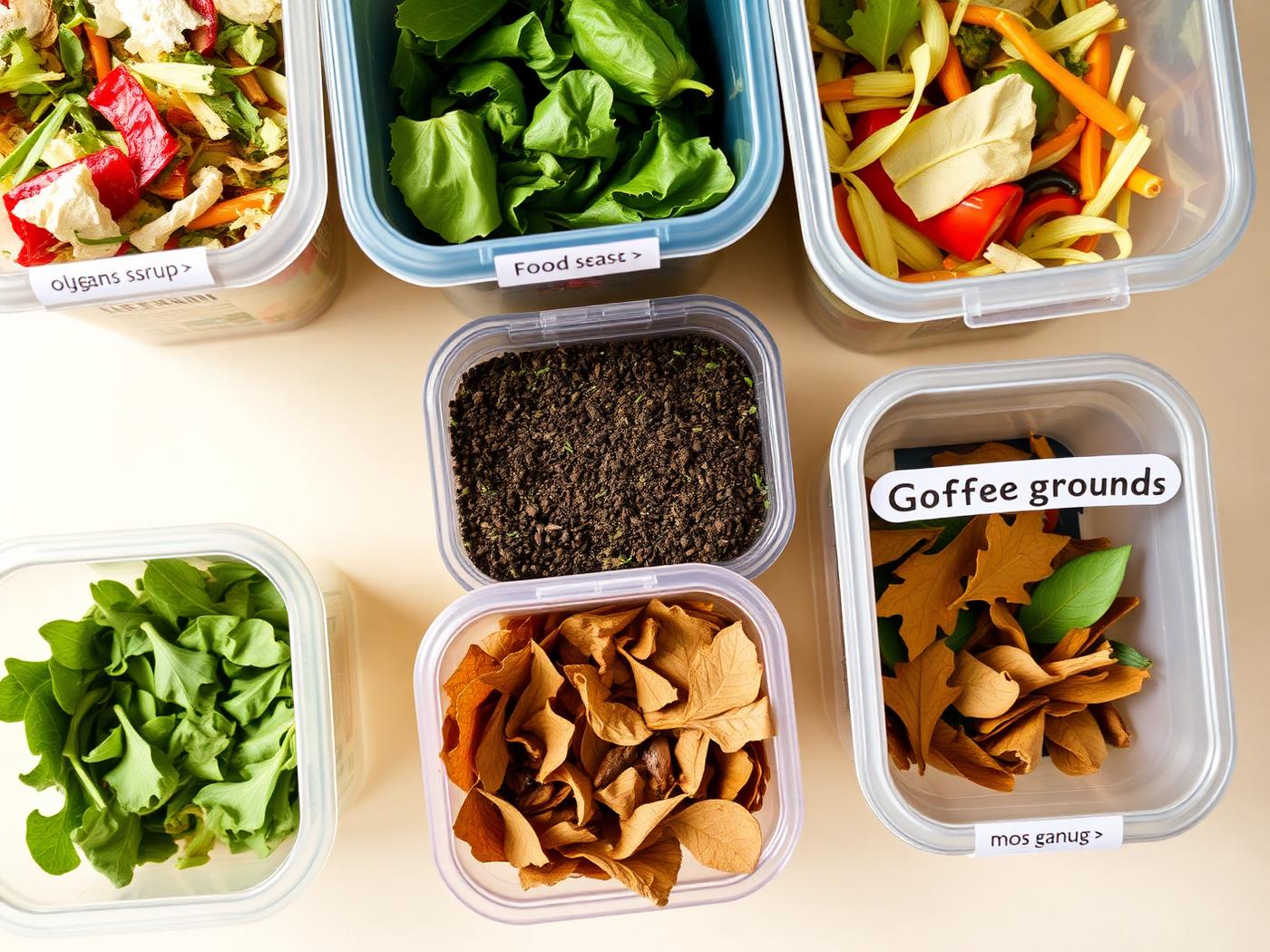
Organic waste recycling is the structured separation, collection, processing, and repurposing of biodegradable waste — food scraps, vegetable offcuts, coffee grounds, grass clippings, leaves, plant matter, and suitable garden waste.
The goal: keep organic material out of landfill and redirect it into systems that create compost, worm feedstock, soil improvement inputs, or other circular resources.
What Can Be Recycled?
From Waste Stream to Resource Stream
Every site is different. We start by understanding your waste type, volume, infrastructure, and operational needs before recommending a system.
Assess Waste Streams
We assess what organic waste your site produces, where it comes from, how much, and how it is currently handled.
Separate at Source
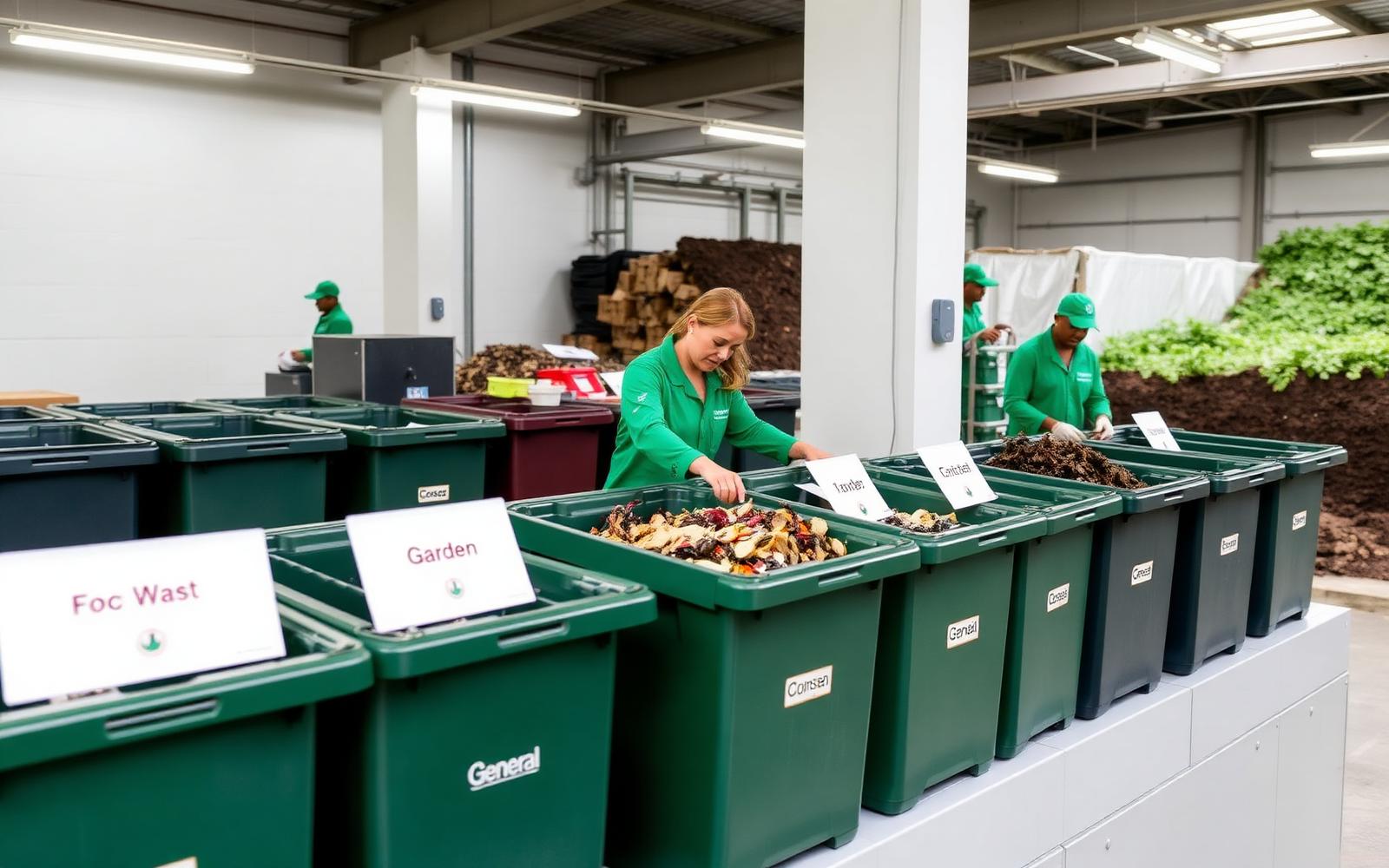
We set up practical separation points so organic waste is collected cleanly before contamination.
Process the Material
Suitable organic waste is directed into the right processing system — composting, worm farms, or other site-appropriate methods.
Create Usable Resources
Organic material is repurposed into composting material, worm farm feedstock, soil inputs, or landscape support resources.
Track, Improve, Maintain
We help you manage, improve, and use the system to support sustainability reporting and long-term value.
Systems Built Around Your Site
We design working systems your team can use every day — not paperwork solutions.
Waste Separation Systems
Clear sorting systems that help staff separate organic waste before it becomes contaminated.
Organic Waste Collection Points
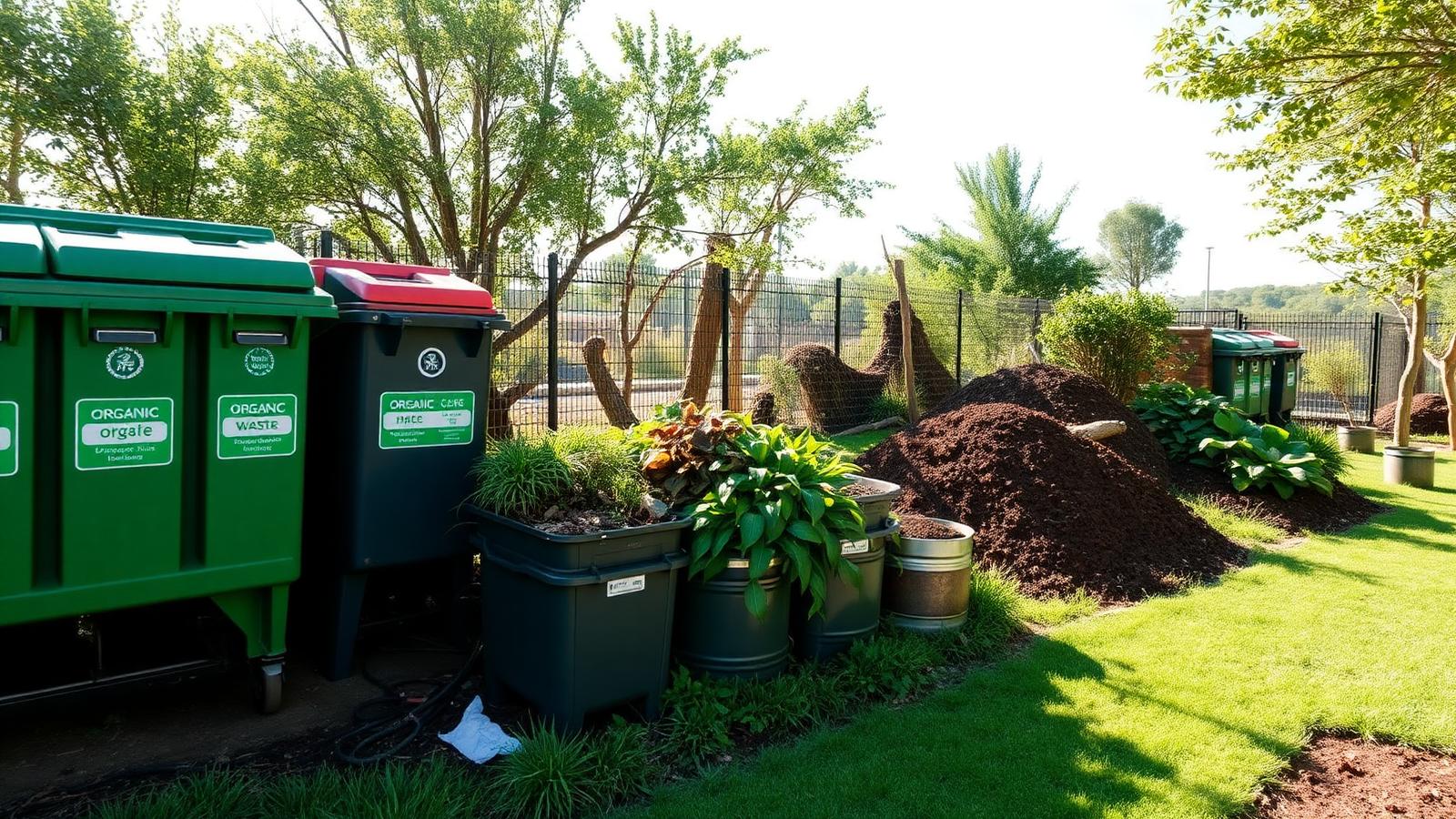
Site-friendly collection areas that capture food and garden waste at the right point in the operation.
Composting Integration
Process organic waste into composting material that supports soil health, gardens, and landscapes.
Worm Farm Integration
Direct suitable streams into worm farm systems to produce vermicompost and worm tea.
Garden & Landscape Waste
Leaves, grass cuttings, and plant matter redirected into mulch, compost, and soil improvement.
Training & Team Support
We train your team to separate, manage, and maintain the system beyond installation.
Site-Specific Implementation
Every system is adapted around your waste volume, site layout, staff capacity, and goals.
Why Businesses Invest in Organic Waste Recycling
Reduce Landfill Dependency
Divert organic material into more productive recycling systems.
Support Compliance
Prepare for changing waste diversion and environmental expectations.
Turn Waste Into Resources
Repurpose into compost, worm feedstock, and soil-supporting inputs.
Improve Reporting
Clearer record of diversion, recovery and environmental action.
Cleaner Operations
Less mixed waste, contamination, odour, and handling overhead.
Support Soil Health
Return organic material to the land in a way that builds fertility.
Build Circular Systems
Connect waste, recycling, composting and growing into one loop.
Long-Term Operational Value
Reduce waste pressure and support long-term sustainability goals.
Organic Waste Recycling for Different Site Types
Farms
Repurpose crop waste, plant matter, and organic material into soil-supporting systems.
Estates
Manage garden waste and landscaping material from shared spaces more sustainably.
Hospitality Venues
Reduce kitchen waste pressure and link food waste with gardens and sustainability goals.
Food Retailers
Separate fruit, vegetable and food waste into a cleaner, more structured process.
Schools
Support environmental education, food gardens, and hands-on sustainability learning.
Commercial Properties
Practical systems for business parks, campuses, offices, and mixed-use environments.
Community Projects
Support local food gardens, compost production, and circular environmental initiatives.
Better Waste Systems Support Better Environmental Performance
Instead of only stating a sustainability commitment, your business can point to a working system that separates waste, reduces landfill dependency, and supports better environmental reporting.
- Organic waste streams being separated
- Waste diverted from landfill
- Resources created from organic material
- Operational improvements over time
- Team training and participation
- Progress toward sustainability goals
We Only Recycle Organic Waste
From municipal organic waste recycling solutions and municipal organic waste recycling training to municipal compost operation
Municipal Organic Waste Recycling Solutions
Large-scale separation, collection, and processing systems designed for municipalities and public sector operations.
Municipal Organic Waste Recycling Training
Practical training programmes for municipal teams, waste workers, and community organisers managing organic waste at scale.
Municipal Compost Operations
Full composting operations for municipalities — turning collected organic waste into quality compost for parks, gardens, and land rehabilitation.
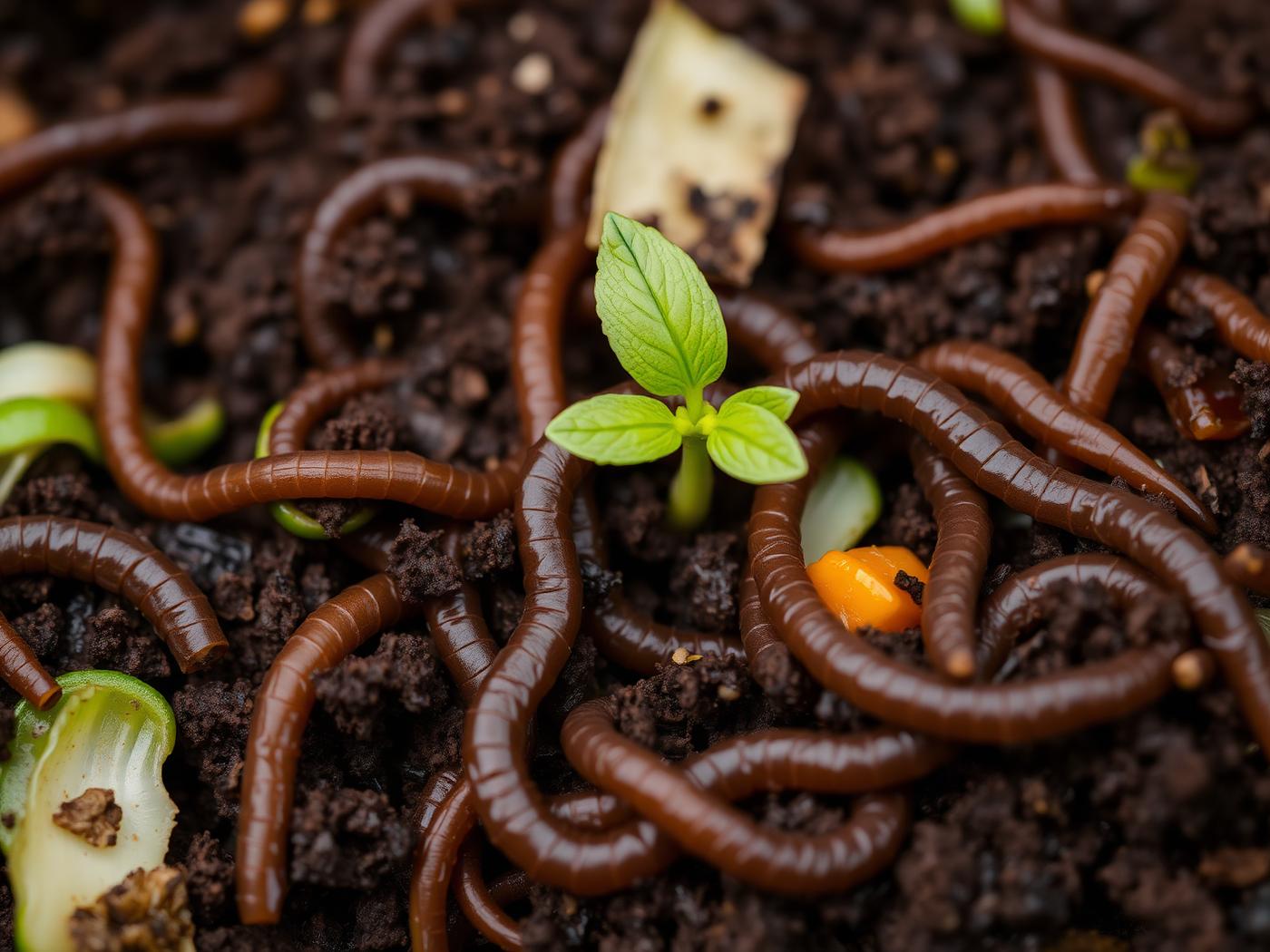
Organic Waste Can Become Part of a Circular System
Waste becomes feedstock
Suitable organic material can support composting or worm farming.
Feedstock becomes soil value
Processed material supports compost, vermicompost, worm tea, and soil improvement.
Soil value supports growth
Healthier soil supports gardens, crops, landscapes, and food production.
Growth supports sustainability
Your business creates visible environmental impact and long-term value.
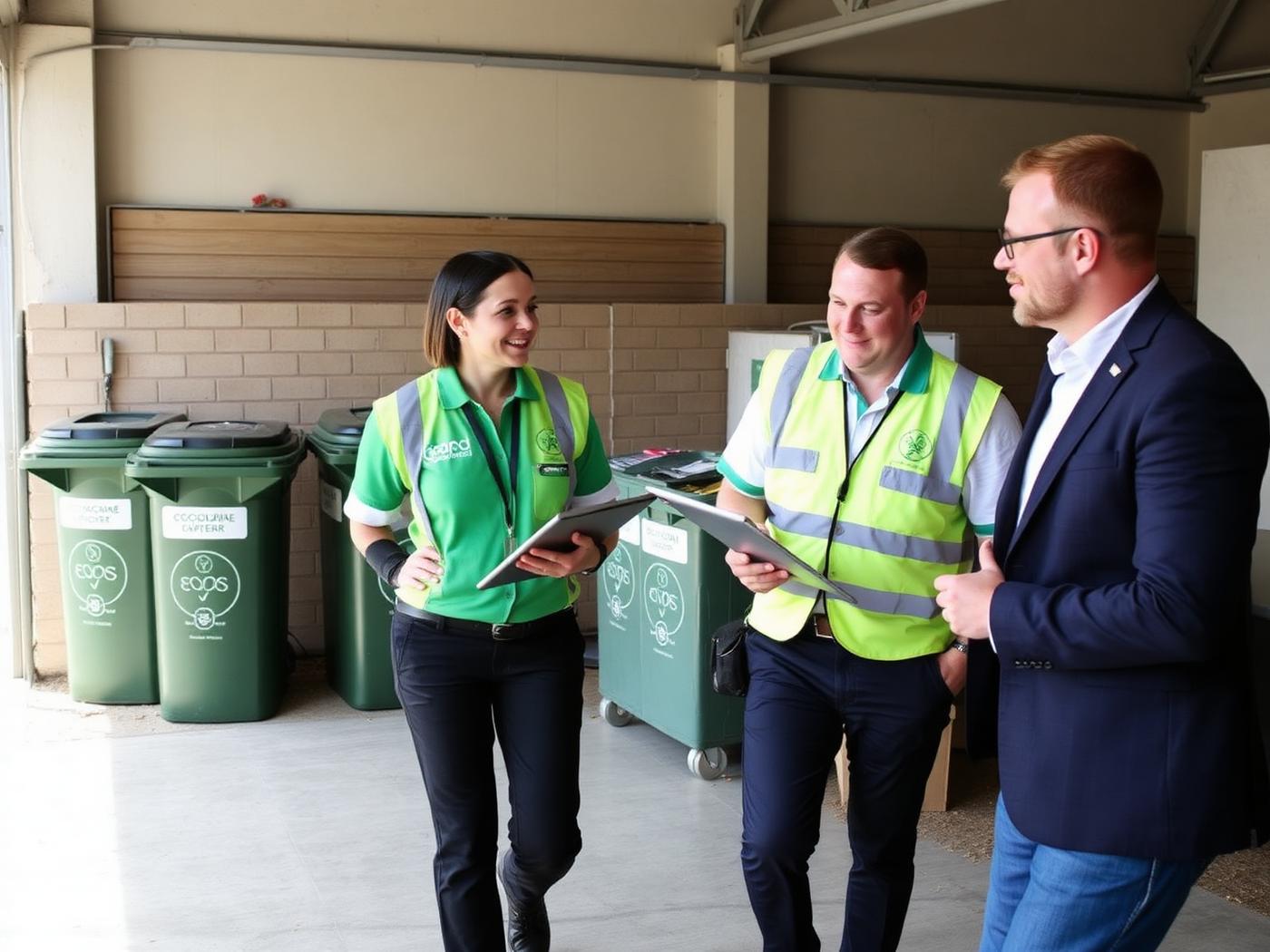
The Right Solution Starts With the Right Assessment
No two sites produce the same type or volume of organic waste. Before recommending a system, we assess the practical details that determine whether the solution will work.
- Type of organic waste
- Daily or weekly waste volume
- Current waste handling process
- Available space
- Water access
- Shade and drainage
- Staff capacity
- Collection points
- Odour and pest risk
- Compliance goals
- Sustainability reporting needs
- Budget and timeline
- Possible compost or soil use
- Potential worm farm integration
- Long-term maintenance needs
Simple Process. Practical Results.
Site Assessment
We assess waste streams, infrastructure, space, and requirements.
System Recommendation
We recommend the best-fit approach for your site.
Setup & Implementation
We install the required separation, collection, and processing systems.
Team Training
We train your team on what goes where and how to maintain the system.
Ongoing Support
Guidance to help keep the system working over the long term.
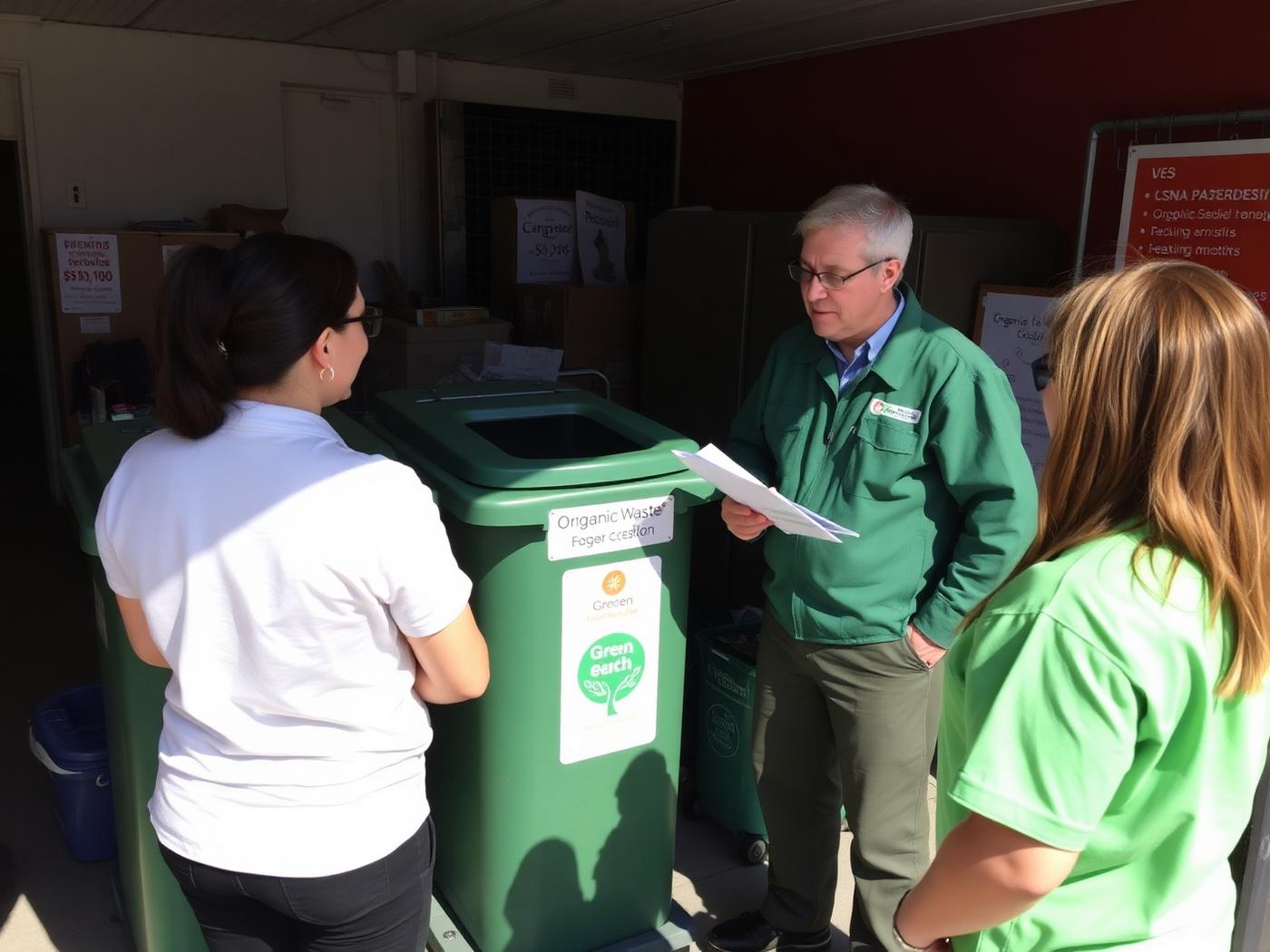
A System Only Works If Your Team Can Use It
We provide practical training so your team can manage the process with confidence.
- What organic waste can be recycled
- What should not go into the system
- How to separate waste at source
- How to prevent contamination
- How to manage collection points
- How to reduce odour and pest issues
- How to maintain composting or worm farm systems
- How to monitor and improve the process
- How to support internal sustainability reporting
Practical Environmental Systems With Real-World Impact
We work hands-on with clients to understand their environment, design practical solutions, and support long-term success.
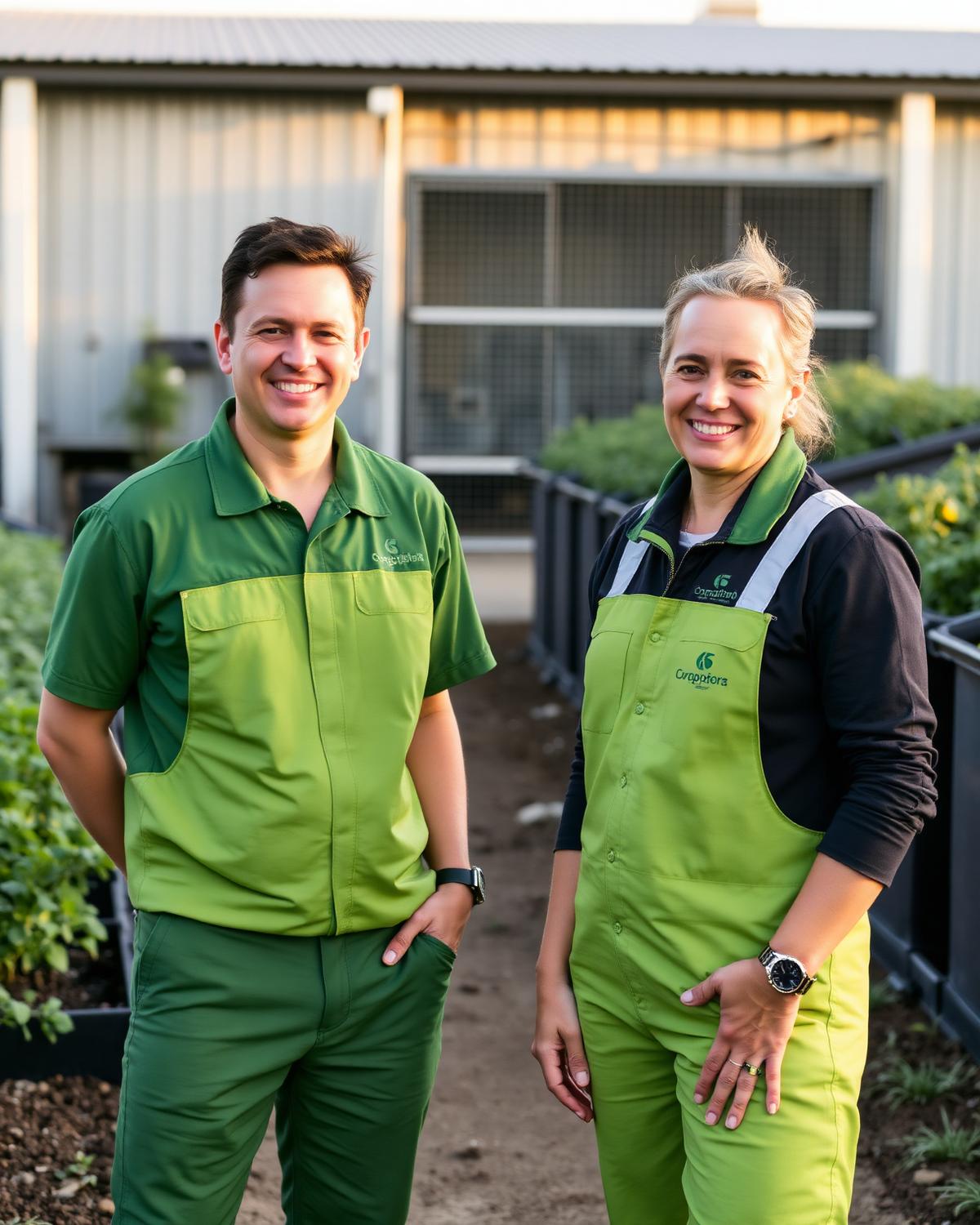
What Organic Waste Recycling Can Look Like on Site
Food Retailer
Fruit and vegetable waste is separated at source, collected cleanly, and redirected into a suitable organic recycling system.
Hospitality Venue
Kitchen preparation waste is separated from general waste and used to support composting, worm farming, or garden systems.
Estate / Commercial Property
Garden waste, leaves and plant material are redirected into soil-supporting systems instead of treated only as waste.
School / Community Project
Organic waste recycling supports food gardens, sustainability learning, and practical environmental education.
Farm
Crop waste and organic residues are repurposed into composting or soil improvement systems that support long-term land health.
Frequently Asked Questions
What is organic waste recycling?
Organic waste recycling is the process of separating and repurposing biodegradable waste so it can become useful material instead of going to landfill.
What types of organic waste can be recycled?
This may include food waste, fruit and vegetable offcuts, coffee grounds, grass clippings, leaves, garden waste, and other suitable biodegradable organic material.
Can organic waste recycling work on-site?
Yes. Depending on the site, waste type, space, and volume, systems can be designed for on-site separation, composting, worm farm integration, or managed collection and processing.
Do you provide training?
Yes. Green Earth Concepts provides practical training so your team understands how to separate, manage, and maintain the system.
Is this suitable for commercial sites?
Yes. Systems can be designed for farms, estates, hospitality venues, food retailers, schools, commercial properties, and community projects.
Can organic waste become a usable resource?
Yes. Suitable organic waste can be repurposed into composting material, worm farm feedstock, soil improvement inputs, and other circular resources.
Will the system smell?
A well-managed system is designed to reduce odour by improving separation, reducing contamination, managing organic material correctly, and supporting the right processing method.
Can this help with sustainability reporting?
Yes. A structured system makes it easier to show waste diversion, resource recovery, training, and operational improvements.
Do we need a site assessment?
Yes. A site assessment helps identify the right system for your waste volume, space, staff capacity, and sustainability goals.
Ready to Improve Your Organic Waste System?
With the right system, your business can separate waste effectively, reduce landfill dependency, improve sustainability reporting, and turn organic material into long-term value.
Circular solutions · Healthy soil · Practical impact
Build a Complete Environmental System
Commercial Worm Farms
Turn suitable organic waste into vermicompost and worm tea through scalable worm farm systems.
Learn moreSustainable Agriculture
Use compost, soil inputs and growing systems to support food production and land regeneration.
Learn moreIrrigation Systems
Support gardens, farms and growing systems with practical water-wise irrigation.
Learn moreTraining and Development
Upskill teams to manage environmental systems confidently and sustainably.
Learn moreCompliance Support
Prepare your business for changing organic waste diversion requirements.
Learn moreLet's Design Your Organic Waste System
Book a site assessment and we'll identify the right organic waste recycling approach for your business and operational goals.