Land Clearing & Ground Preparation
Prepare land, clear suitable areas, work with soil, identify tools, and create a workable bed for growing.
Green Earth Concepts helps clients move from installation to ownership by training the people who will manage, maintain and improve their environmental systems every day.
From worm farms and organic waste recycling to food gardens, irrigation, soil care, harvesting and maintenance — our training is practical, site-based and designed to give teams the confidence to keep systems working long term.
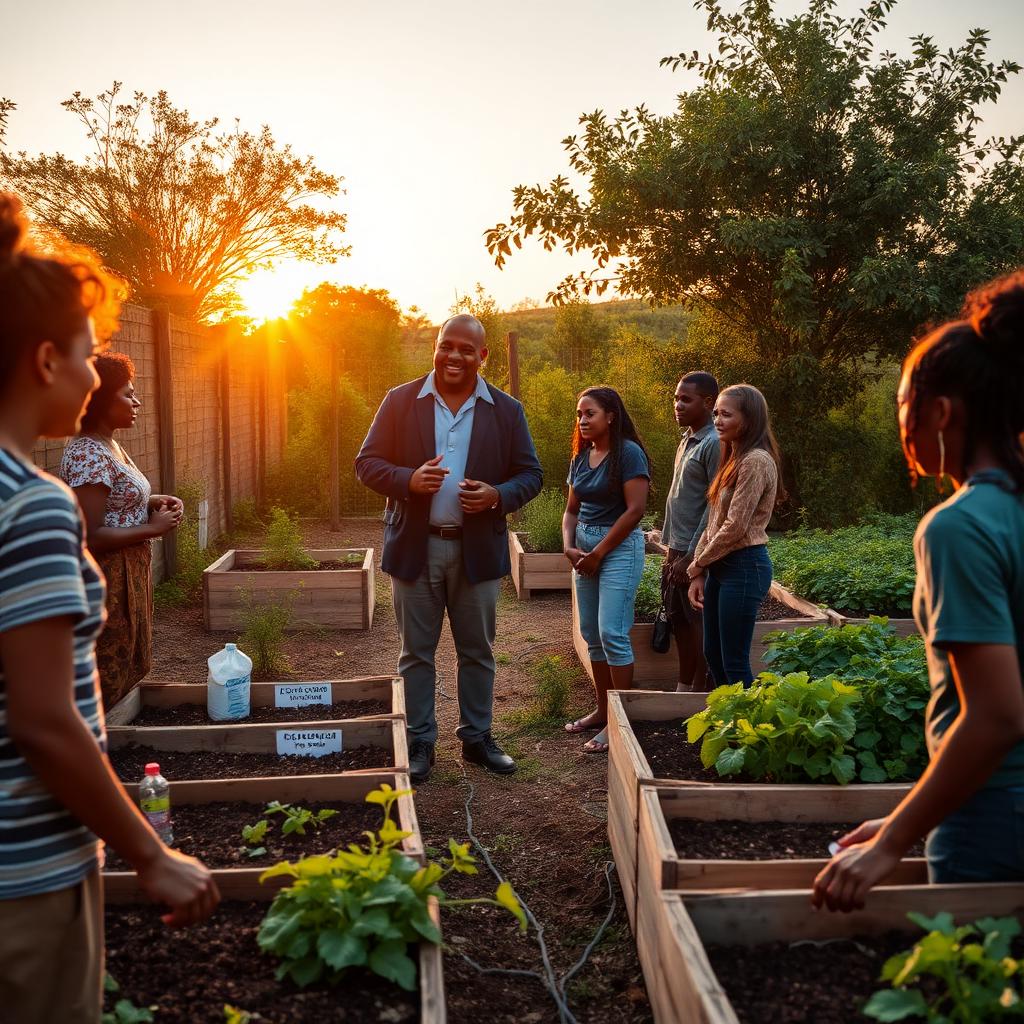
Delivered where the system is used, so teams learn in real working conditions.
Staff understand what to do, why it matters and how to manage the system confidently.
Support does not stop after installation — we help clients build routines that last.
Feed, water, plant, harvest, clean, monitor and maintain systems properly.
Capable teams who take pride in keeping the system healthy.
Environmental systems do not succeed because they were installed. They succeed because people understand how to manage them. Without training, even a well-designed system can become neglected, misunderstood or underused.
Without routines, people forget what must be done and when.
Teams may avoid managing the system because they are unsure what is correct.
Small issues become larger problems when checks and care routines are not understood.
Organic waste recycling depends on correct separation and daily behaviour.
Poor soil care, watering, planting and harvesting routines reduce long-term success.
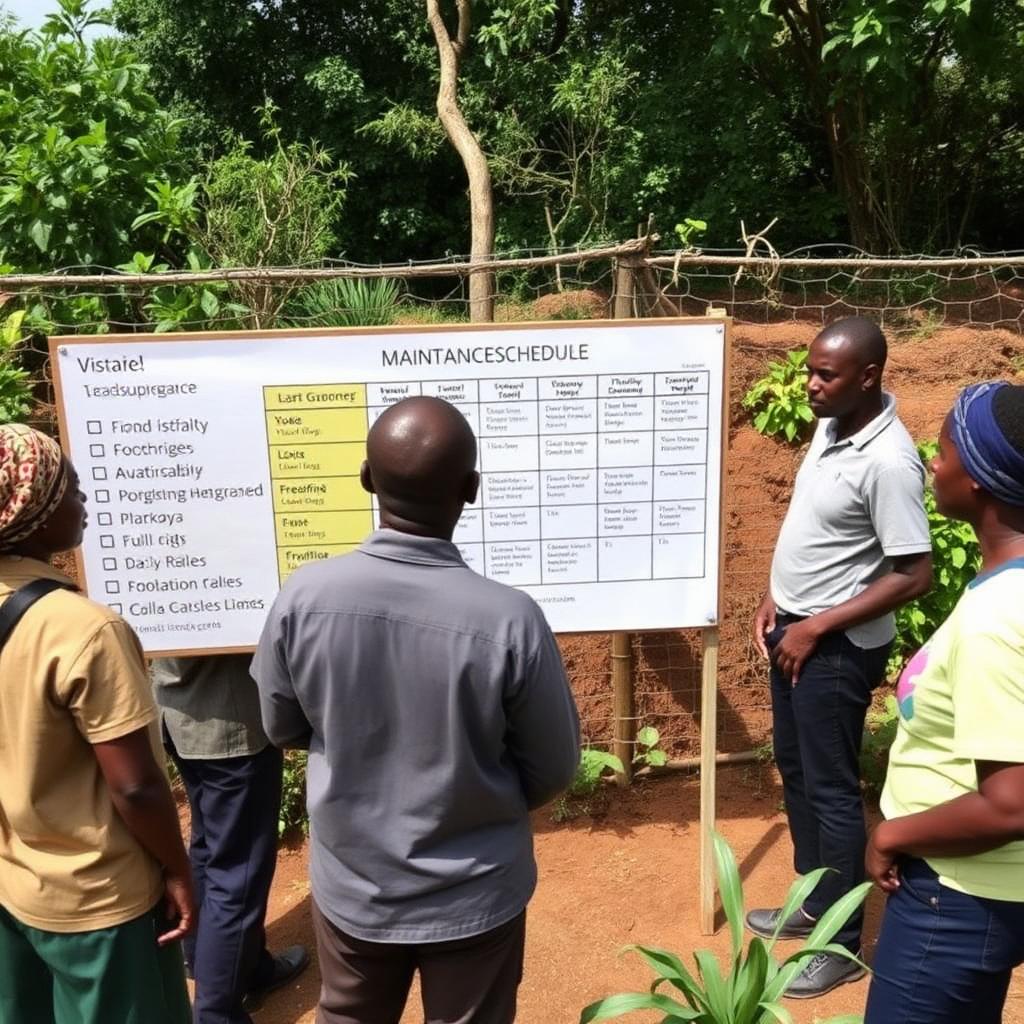
Training is tailored to the client's site, system type, staff skill level, operational needs and sustainability goals.
Training can be structured around a practical learning path based on organic agriculture, worm farming, irrigation, planting, harvesting and maintenance.
Prepare land, clear suitable areas, work with soil, identify tools, and create a workable bed for growing.
Role of micro-organisms, composting conditions, aerobic breakdown and the importance of soil biology.
Feedstock preparation, brown/green balance, feeding, watering, harvesting vermicompost and collecting worm tea.
Manual and automated irrigation, drip, overhead, nozzle, pressure, flow, and practical watering methods.
Seedling trays, growing medium, vermicompost, seed placement, watering and readiness to plant.
Direct seeding, seedling planting, planting depth, spacing, crop rows and planting patterns.
Identify common garden pests, monitor plant health and support organic pest control practices.
Seed and crop harvesting, frequency, correct tools and careful handling of plants.
Produce handling, washing, weighing, packaging, distribution timing, cooling and availability records.
Weeding, tree trimming, equipment care, irrigation filter cleaning, pruning, leaf clearing and weekly routines.
Farm workers, managers and land teams supporting soil health, waste reuse, worm farming, irrigation, crop care and maintenance.
Estate maintenance, garden and operational teams managing landscapes, food gardens, organic waste and irrigation.
Kitchen, garden and maintenance teams managing food waste, composting, worm farms, gardens and sustainability systems.
Teams handling fruit, vegetable and food waste streams needing better separation, diversion and recycling.
Teachers, learners, grounds teams and food garden coordinators wanting practical environmental education.
Community members building hands-on skills in food gardens, worm farming, soil care, planting and harvesting.
Facility and sustainability teams managing organic waste systems, green spaces and staff gardens.
Hands-on training at the client's site using the actual system.
Best for: Installed worm farms, gardens, irrigation, composting & waste areas.
Delivered after installation so teams understand layout, daily tasks, warning signs and maintenance.
Best for: New system installations and first-time teams.
Follow-up training for teams that need to correct habits or get the system back on track.
Best for: Systems that have slowed down or changed teams.
Structured training for schools, community, estate, farm or commercial teams.
Best for: Larger groups and development-focused programmes.
A structured learning path with modules, outcomes, activities and assessments.
Best for: Skills development, community projects and schools.
Guidance after training to help teams troubleshoot and maintain momentum.
Best for: Clients pursuing long-term system sustainability.
Instead of only explaining concepts, we demonstrate tasks, let teams practise and help them understand how their actions affect the health of the system.
We demonstrate the task in real conditions.
Your team performs the task with guidance.
Your team manages the task confidently and consistently.
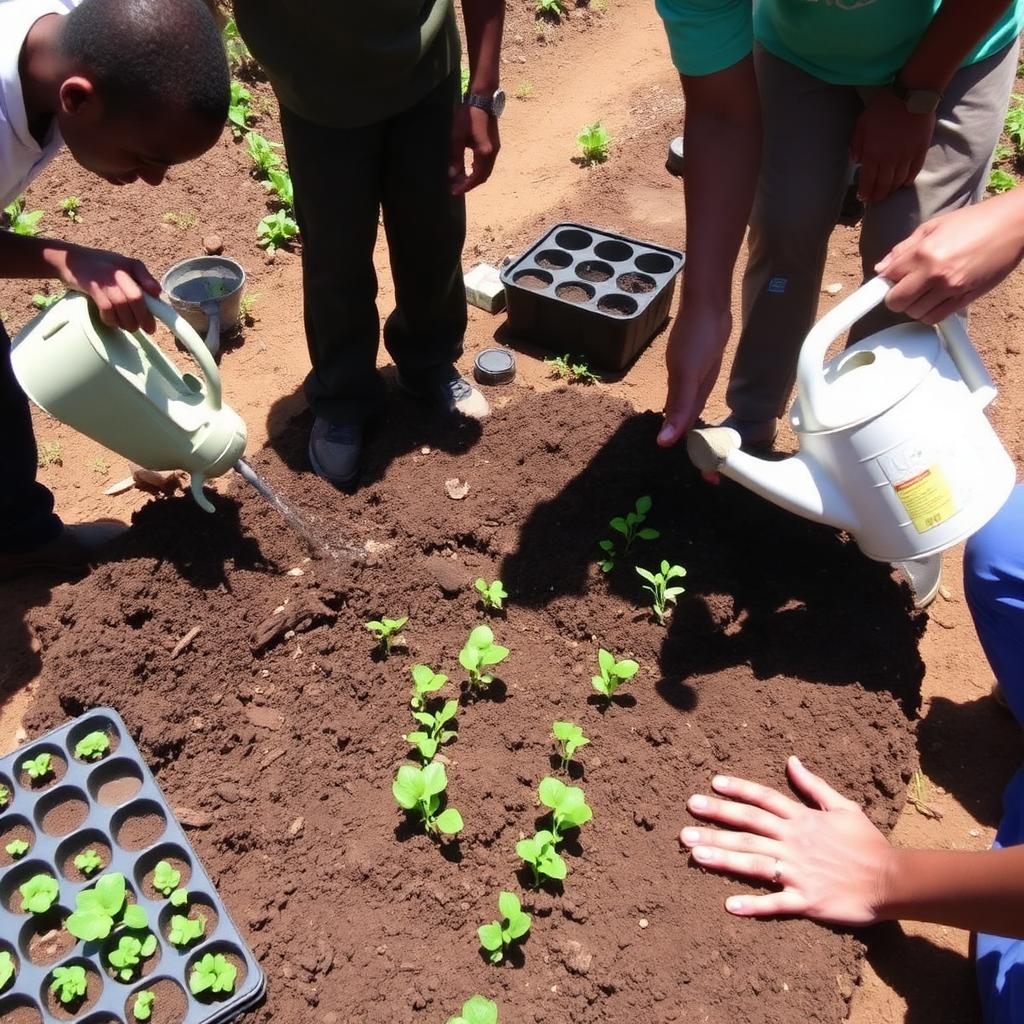
Check moisture, separate waste, water sensitive areas, keep the site clean.
Feed worm farms, inspect plants, weed, check irrigation, monitor pests.
Harvest or screen compost where ready, clean filters, review system performance.
Adjust planting plans, review irrigation needs, improve soil, prepare new cycles.
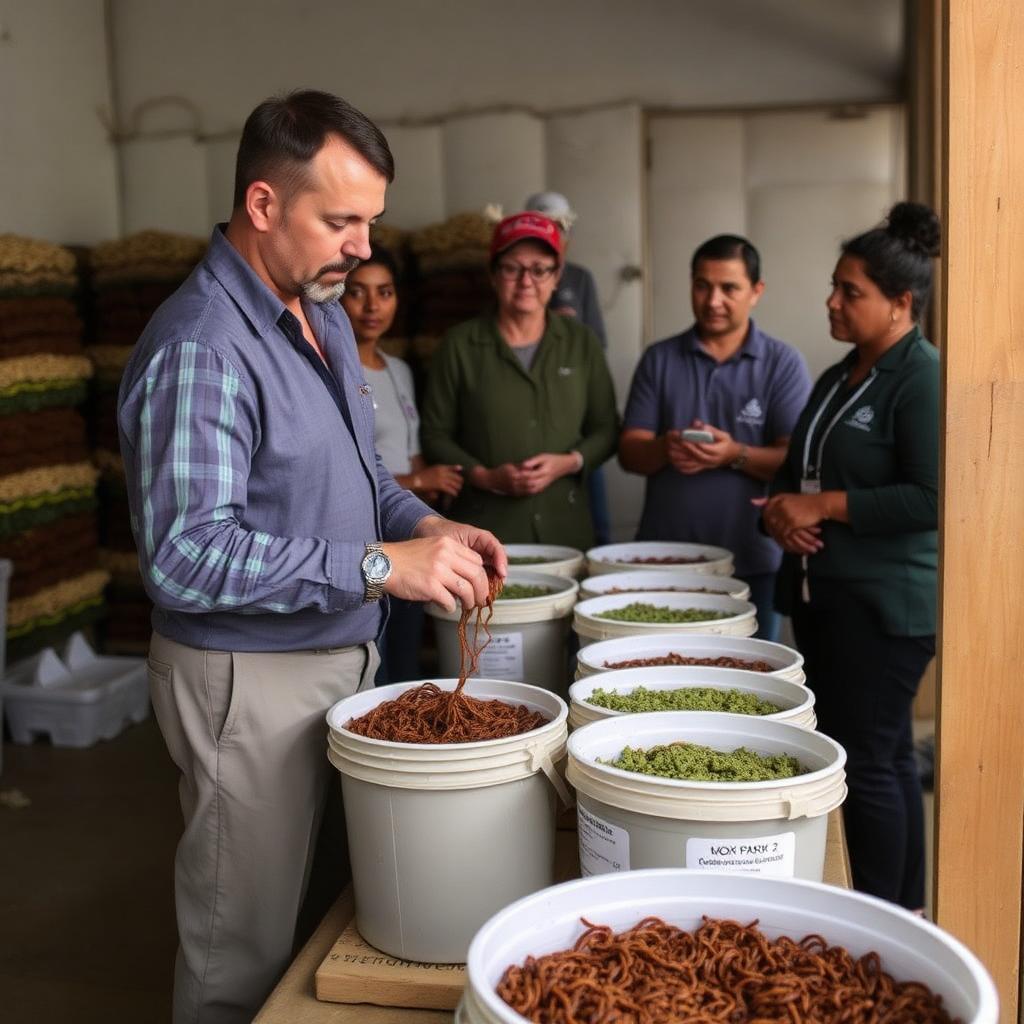
Worm farming requires the right balance of organic material, moisture, oxygen and care. We train teams to feed, manage, harvest and maintain worm farms so they keep producing useful outputs.
Carbon + Nitrogen + Oxygen + Water + Worms = Vermicompost + Worm Tea
The healthy worm farm formula your team will learn to balance.
Book a training session and we'll help your team understand the system, the routines and the warning signs.
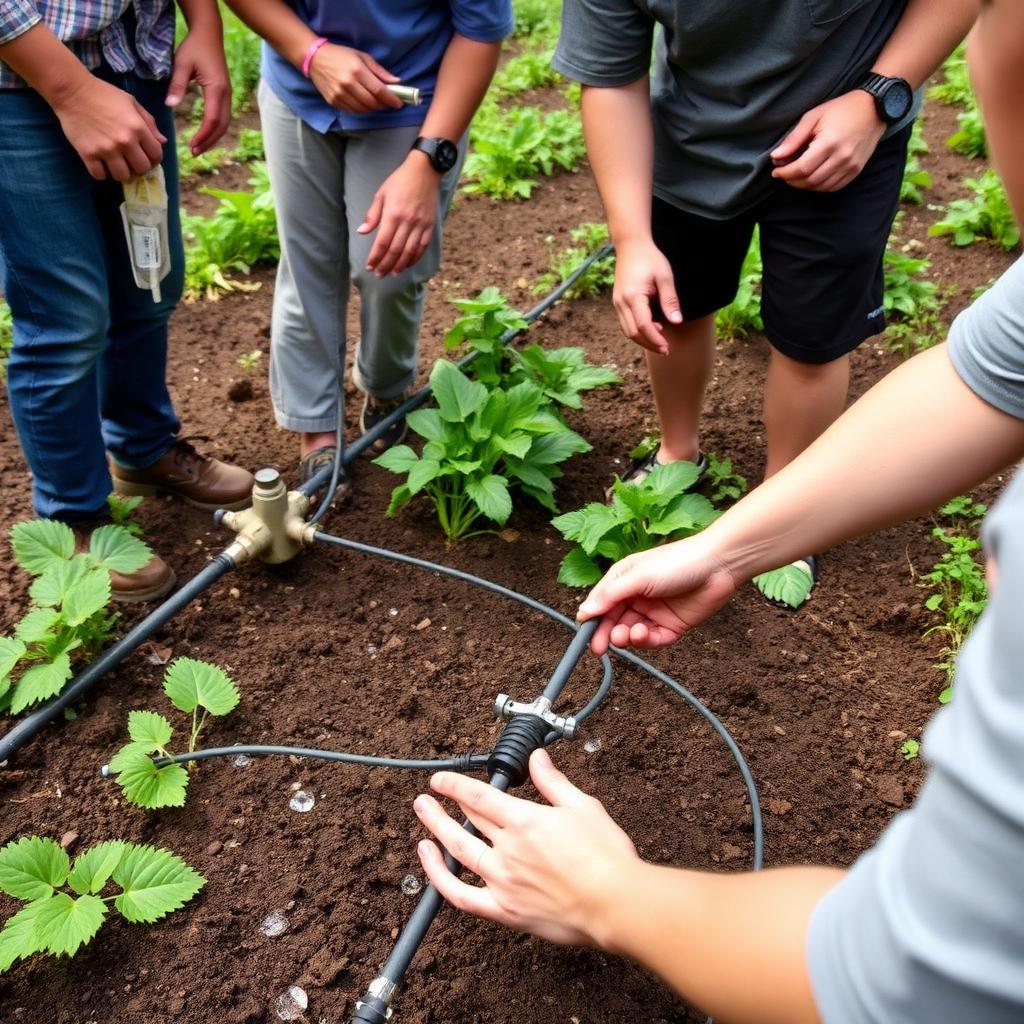
Book a Training AssessmentTraining covers manual and automated irrigation, drip, overhead and nozzle systems, pressure, flow, valves, timers, filters, zone testing, leak monitoring and seasonal adjustment.
01
Check water source
02
Test zones
03
Inspect lines
04
Clean filters
05
Adjust schedule
We train teams to manage municipal organic waste recycling and compost operations with confidence — from daily routines to long-term system management.
Hands-on training for municipal teams in organic waste separation, collection, processing and compliance at scale.
Training on designing, implementing and managing municipal organic waste recycling solutions for public sector and large-scale operations.
Practical training in municipal compost operations — feedstock management, aeration, quality control and end-product use.
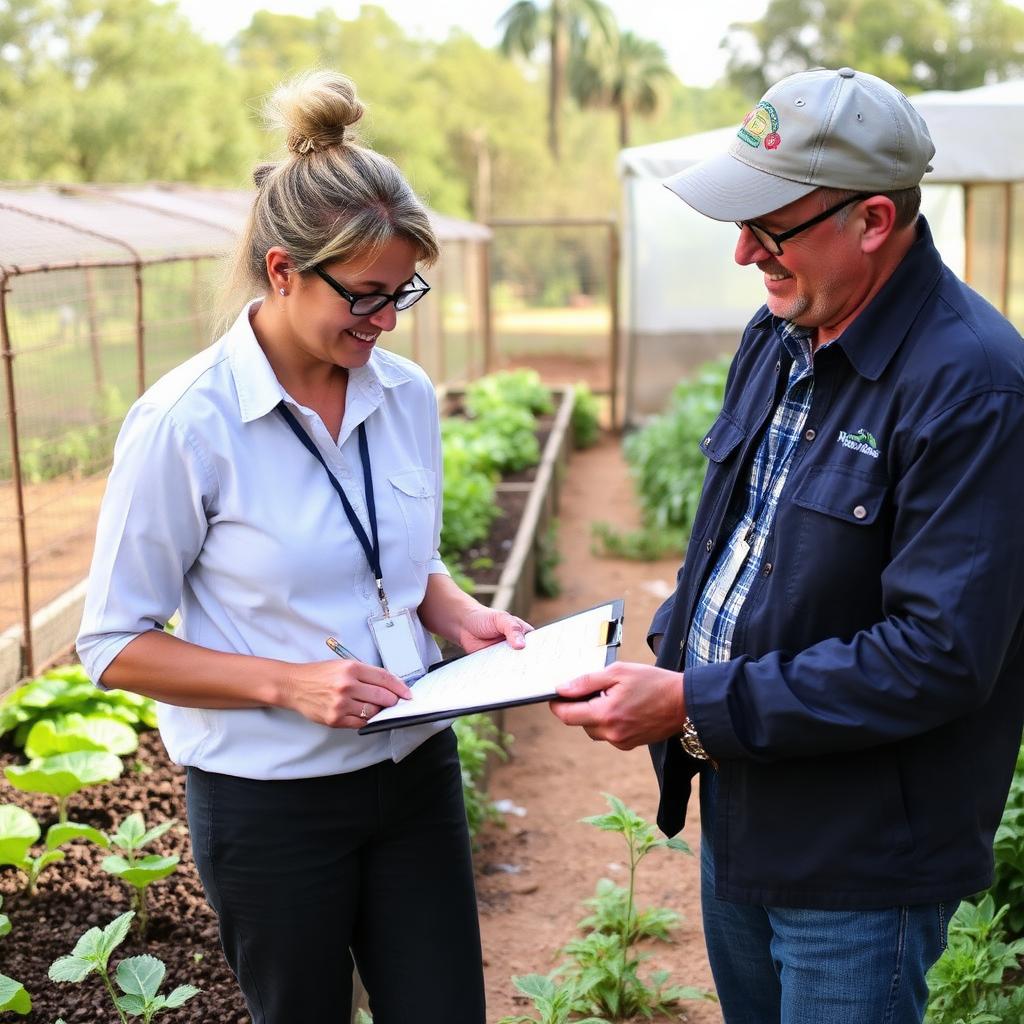
Before recommending training, we assess the site, system, team and current level of knowledge so we can tailor training to what the client actually needs.
Practical training that helps clients and teams manage environmental systems such as worm farms, organic waste systems, food gardens, irrigation systems, and maintenance routines.
Yes. Training can be delivered on-site so teams learn in the actual environment where the system will be used.
Organic waste separation, worm farming, composting, food gardens, soil preparation, seedling production, planting, irrigation, pest identification, harvesting, distribution, record keeping and maintenance.
Yes. Training can be adapted to the client's site, installed systems, team size, skill level and long-term goals.
Yes. System handover training helps staff understand how to manage and maintain the system after installation.
Yes. Training can support schools, community projects, food gardens and development-focused programmes.
Yes. Refresher training can help correct mistakes, rebuild confidence and get systems back on track.
Yes — feedstock preparation, feeding, watering, harvesting vermicompost, collecting worm tea and basic troubleshooting.
Yes — manual systems, automated systems, drip, overhead and nozzle irrigation, filter cleaning and zone checks.
Yes. Training is designed to help teams build practical routines for system care, maintenance, monitoring and ongoing improvement.
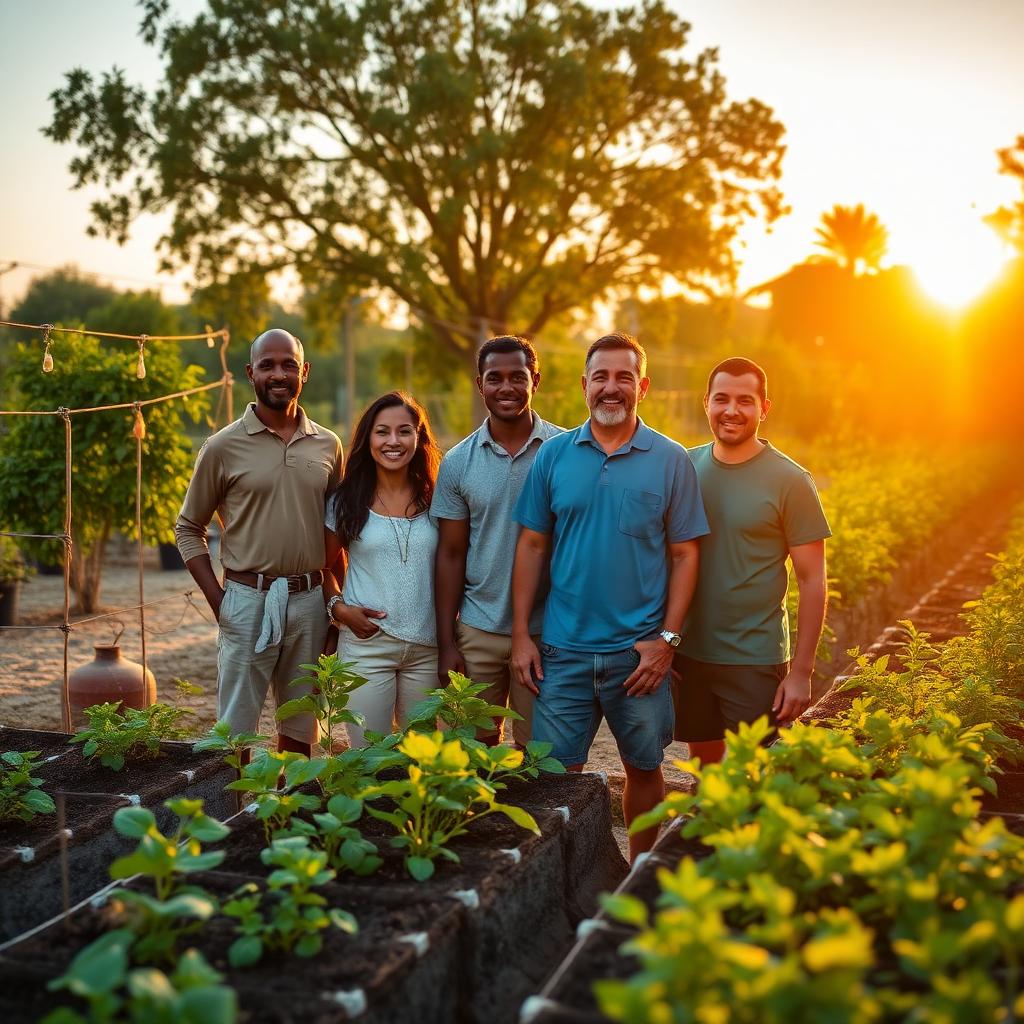
The best environmental systems are not only installed — they are understood, maintained and owned by the people who use them. Let's assess your site, your team and your system, then build a practical training plan that supports long-term success.
Practical training. Confident teams. Sustainable systems.
Train teams to separate, process and repurpose organic waste correctly.
ExploreTrain teams to feed, water, harvest and maintain worm farm systems.
ExploreTrain teams to prepare soil, plant, water, maintain and harvest productive food gardens.
ExploreTrain teams to check, clean, operate and maintain irrigation systems.
ExploreTrain teams to understand environmental responsibilities and system documentation.
ExploreBook an assessment and we'll design a practical training plan that fits your team, system and goals.