Bin space and collection costs
Organics are heavy and wet. They fill bins fast and push collection frequency up.
Green Earth Concepts helps farms, food businesses, estates, hospitality venues, schools and organisations assess their organic waste, install the right on-site system, train their teams and reduce dependence on landfill.
South African experience • Commercial worm-farm systems • On-site training • Practical measurement
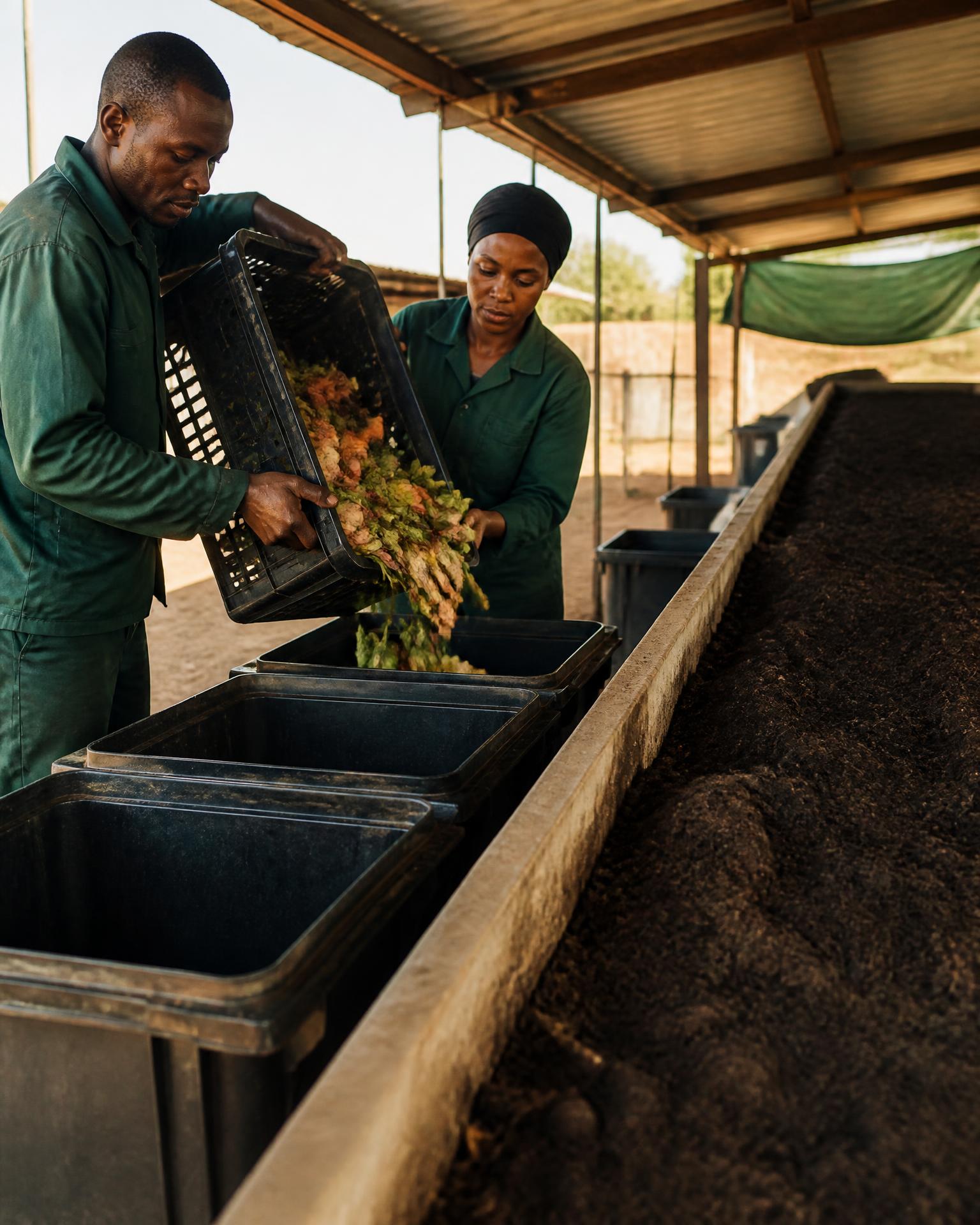
Systems built for local feedstock, climate, sites and teams.
Our flagship implementation method, sized to your actual volumes.
The people who run the system are trained where they work.
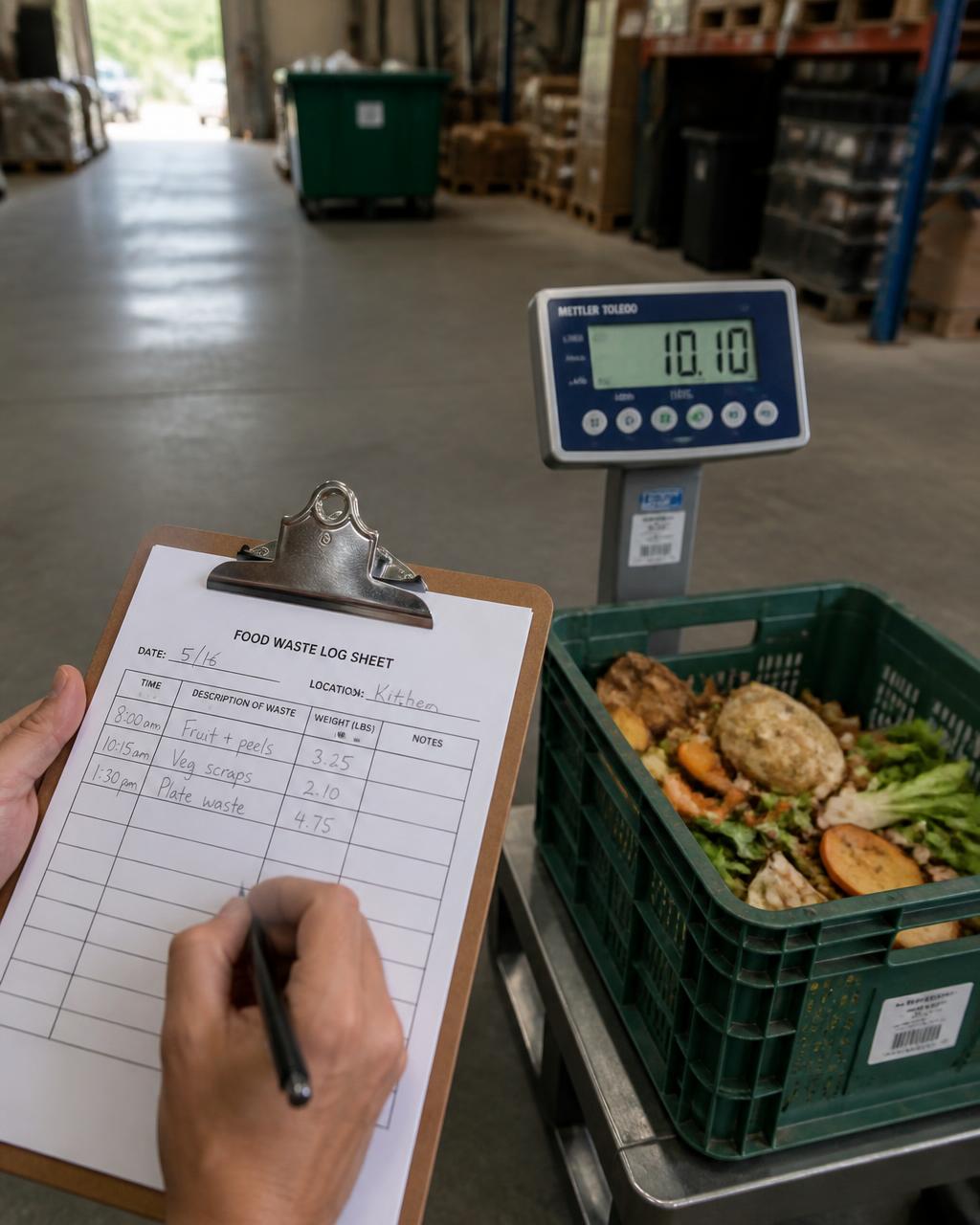
Baselines, log sheets and contamination checks — not estimates.
South Africa's waste policy is moving toward prevention, separation, beneficial use and less disposal to landfill. The Western Cape is actively pursuing full organic-waste diversion. Organisations that start measuring and separating now will be better prepared — and can begin recovering value from material they currently pay to discard.
See the South African policy summaryOrganics are heavy and wet. They fill bins fast and push collection frequency up.
Mixed bins undermine every downstream recovery route and devalue the material.
Food and garden waste in landfill contribute to methane generation and leachate.
Without defined responsibilities, systems drift into odour, pests and neglect.
Sustainability reporting is weak when nobody can produce a diversion record.
Implementing against a deadline is rushed, costly and badly matched to the site.
Green Earth Concepts brings together assessment, design, commercial worm-farm infrastructure, source separation, staff training, practical operating routines and ongoing support. Every recommendation is based on the client's feedstock, volume, site, team, goals and local context.
High-volume fruit, vegetable and preparation waste separated at source and routed to on-site treatment instead of the compactor.
Use case: Retail store and processing floor separation with weight logs per department.
Discuss this site typeReject grades, spent crops and packhouse offcuts converted into vermicompost that goes back into your own soil.
Use case: High-volume farm system returning soil inputs to production land.
Discuss this site typeBack-of-house separation that survives shift changes, plus a treatment route guests and auditors can see.
Use case: Kitchen separation stations, garden integration and a measurable diversion story.
Discuss this site typeGarden and canteen organics handled on site, feeding landscaping and shared food gardens.
Use case: Estate green-waste and canteen stream feeding on-site landscaping.
Discuss this site typeA working system that doubles as a teaching tool, linked to a food garden and learner participation.
Use case: School worm farm, training programme and food-garden integration.
Discuss this site typeDiversion planning support, operator training and compost operation practices for public sector sites.
Use case: Municipal diversion support, operator training and compost operations.
Discuss this site typeWe review what you generate, where it comes from, current disposal route, collection frequency, contamination, space, access, water, team and goals.
Feedstock, volumes and site drive the design — a commercial worm farm, a phased pilot, a hybrid composting route or another appropriate option.
Infrastructure, bin placement, separation points, bedding, stocking and start-up so the system runs under real conditions before handover.
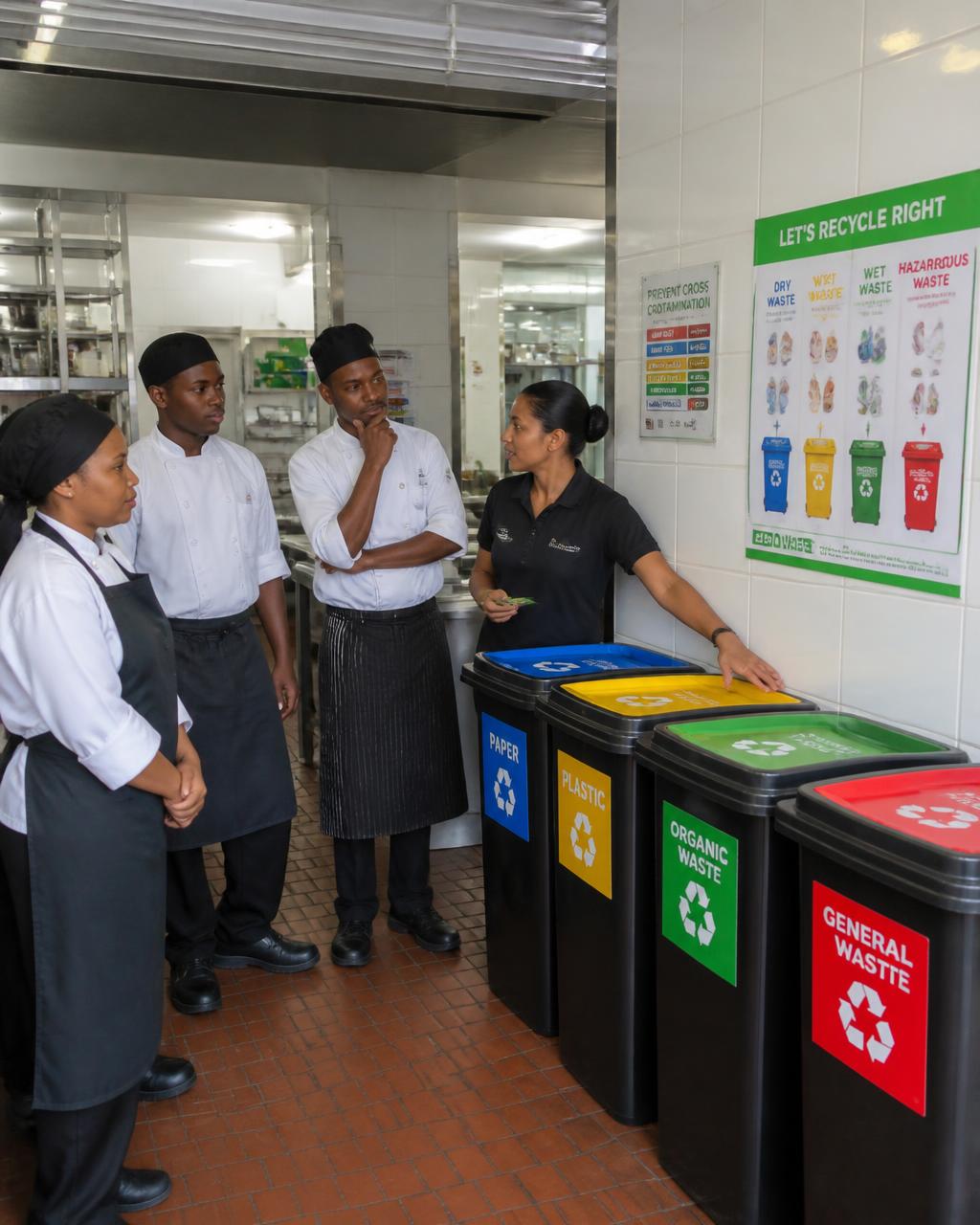
On-site training for the actual operators and the staff at source, with defined responsibilities and a practical daily routine.
Log volumes, run contamination checks, review results, correct habits and extend capacity or scope where it makes sense.
National waste policy is moving toward prevention, separation and beneficial use, with national norms and standards for organic waste composting and treatment, provincial diversion plans and municipal by-laws layered on top. Readiness is built from records and routines — not from a single purchase.
Scope of our role: we help clients implement the physical systems and operating practices behind organic waste diversion. We do not replace the competent authority or provide legal certification.
We build proof in three layers: measured numbers, documented case studies and visual evidence of real staff, real feedstock, real systems and real log sheets.
Throughput, operating period, systems installed and staff trained — reported with the measurement method stated, never rounded upward for effect.
Problem, system installed, measured result and a client quote. Where a client cannot be named, the description is anonymised with permission.
Photographs of the actual team, feedstock, installed system, outputs and record sheets — shared only with client permission.
Want to see the closest match to your site? We will walk you through the most relevant installation — retail, farm, school or hospitality — during the assessment.
See our workWe do not promise fixed savings without a baseline. During the assessment we identify potential savings from your actual volumes, collection frequency and disposal costs — then calculate them with you.
These answers reflect how our commercial systems are actually designed and operated in South Africa — not household vermicomposting rules of thumb.
Our commercial systems are designed around each client's actual feedstock. Typically that includes fruit and vegetable waste, food-preparation offcuts, market and packhouse rejects, spent crops, garden and green waste, and paper-based bedding material. Feedstock is assessed and prepared before it enters the beds — we confirm what your system can take during the site assessment rather than assuming a household recipe.
Contaminants are the main risk: plastics, packaging, glass, metal, cutlery, cling film, cigarette butts, cleaning chemicals, treated timber and non-organic general waste. Highly salty, oily or acidic loads are also limited. These are excluded through source separation and contamination checks, which is why bin placement and staff training matter as much as the infrastructure.
It depends on volume, pre-treatment and system model. Garden waste and manures are commonly used in our larger systems with correct blending. Cooked food, meat, dairy and oils are handled cautiously and only where volumes, blending, bedding and management routines allow — some streams are better routed to a different treatment path. We confirm the approved inputs for your specific model in writing after the assessment.
Space is driven by the volume you generate and the treatment route selected. A small on-site unit can fit into a service yard, while high-volume commercial beds need a level, accessible, shaded or covered area with water and vehicle access. We measure and mark out the footprint during the site assessment.
From a baseline. We measure or estimate kilograms per day or week by stream, review your collection frequency and invoices, allow for seasonality and growth, then right-size the system to that throughput. Sizing without a baseline is guesswork, so measurement comes first.
A well-managed vermicomposting system should not produce strong odour, and correct covering, bedding, blending and feeding routines greatly reduce pest attraction. We will not claim zero odour or zero pests — those outcomes depend on daily operation, which is exactly why we train the team and provide an operating routine.
Usually your own team. We install and commission the system, then train the specific staff who will run it, define responsibilities and provide the routine. Ongoing support and refresher training are available where a site prefers extra hands-on guidance.
Source separation and contamination control, feedstock preparation, feeding and watering, bed management, harvesting vermicompost and liquid collection, record keeping, maintenance and troubleshooting. Training is delivered on-site with your own system and feedstock.
By agreeing a method before installation: weighing or volume-converting separated organics at source, logging it on a simple daily or weekly sheet, running contamination spot-checks and comparing that record against your previous disposal route and collection frequency.
Vermicompost and liquid outputs are widely used as soil inputs for gardens, landscaping and growing operations. If you intend to sell them or make nutrient, safety or yield claims, product registration and laboratory testing requirements apply — we will advise on appropriate testing and specialist review rather than making claims on your behalf.
It depends on your activity, volumes and location. Composting and organic waste treatment fall under national norms and standards, with additional provincial and municipal requirements. We provide the implementation evidence and can flag where registration, a waste management plan or specialist review is likely needed — the competent authority makes that determination.
No. A worm farm is an implementation method, not a certificate. It gives you a legitimate diversion route plus the separation, training and record-keeping evidence that better waste management requires. Legal compliance status is determined by the relevant authority against your specific obligations.
Yes. Systems are commonly phased — start with a pilot on one stream or one site, prove the routine and the numbers, then extend capacity or roll out to other sites.
Then we will say so. Depending on your feedstock, space, volumes and team, the better answer may be prevention and portion control, donation, animal feed routes, conventional or hybrid composting, off-site treatment, or a staged pilot. The assessment determines the route.
We are based in Eikenhof, Johannesburg and work with clients in other provinces. Travel, logistics and lead times are confirmed per project during the assessment.
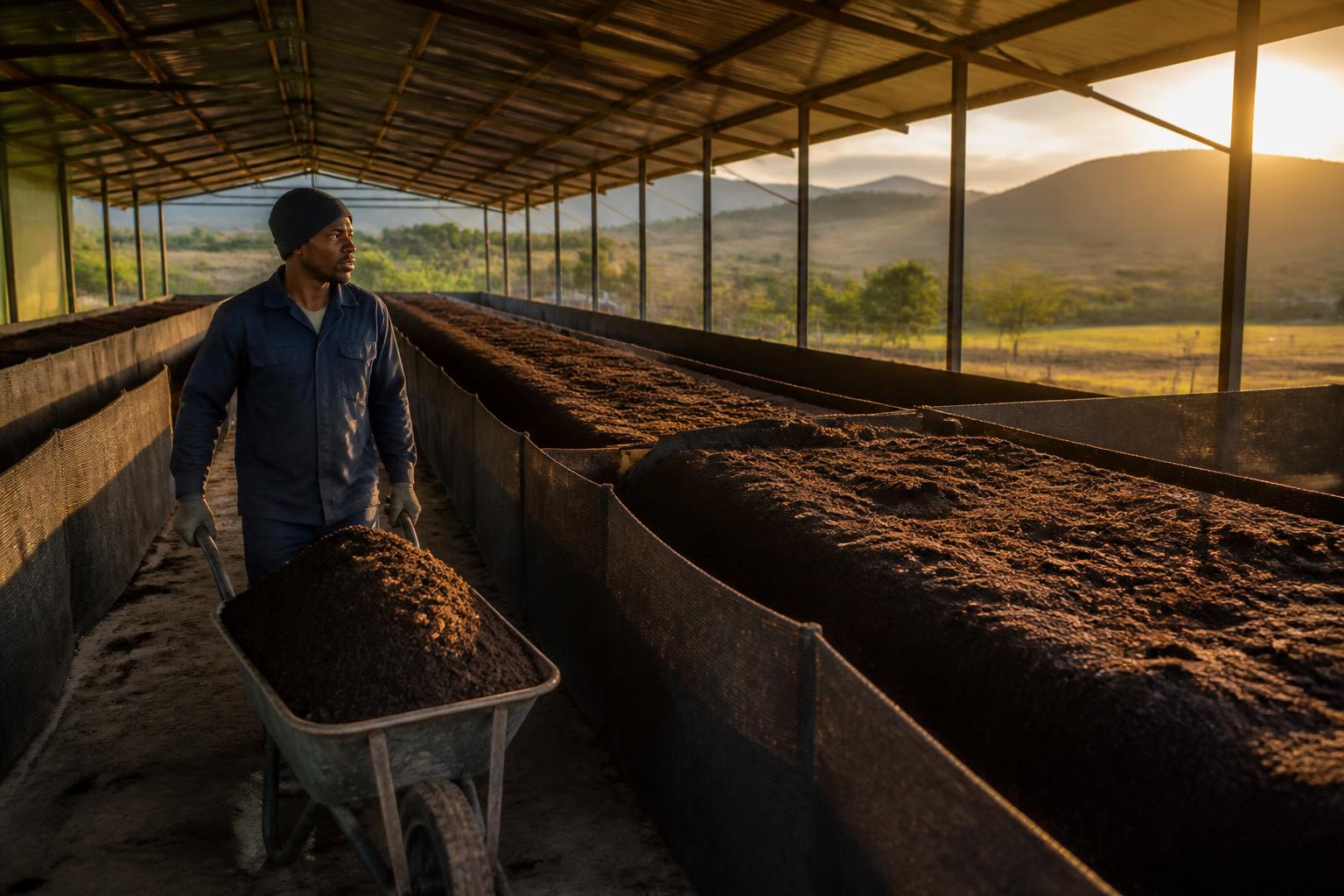
Tell us what you generate, how much, where it comes from and what you want to achieve. We will assess the site and recommend a practical next step — whether that is a commercial worm farm, a phased pilot, training, optimisation or another appropriate route.
Helpful details to send
The separation and processing systems behind every diversion route.
ExploreOur flagship implementation method, sized to your throughput.
ExploreOn-site training so your team can actually run the system.
ExplorePut your vermicompost to work in food gardens and growing systems.
ExploreWater-wise irrigation for the growing areas your compost supports.
ExploreTurn suitable organic waste into value — with a system your team can actually run. Book an assessment and we'll start with your waste stream.
Practical systems • Trained teams • Measured diversion