
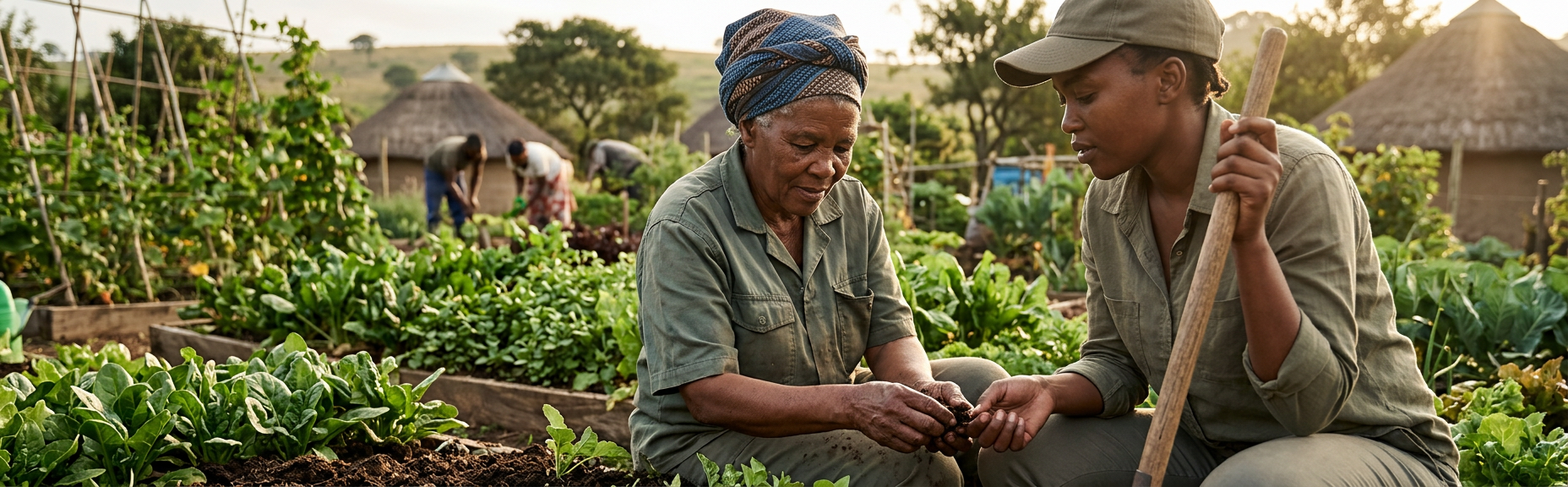
An invitation to share is not permission to publish
A knowledge holder may demonstrate a planting sign, seed practice or soil observation in a workshop and still refuse recording, online publication, commercial use or transfer to another group. Consent belongs to a defined purpose, audience, medium and period. It can include conditions, review and the right to stop.
That distinction matters when organisations want to include Indigenous African farming knowledge in training. A prewritten curriculum can extract knowledge while appearing participatory. A respectful process begins with the relevant community and recognised knowledge holders, asks what should remain protected, and agrees how technical information and community-held knowledge will meet without one erasing the other.
Green Earth Concepts approaches training and development as co-learning with consent, attribution and active local leadership.
Start with authority, purpose and boundaries
Identify who has authority to speak for the specific knowledge and who else may be affected. Community governance is not replaced by the person most available to the project. Ask whether the proposed topic is individual expertise, shared community knowledge, restricted knowledge or already public information. Do not pressure people to disclose what should remain closed.
Define the proposed use: a once-off local demonstration, a facilitator guide, photographs, a public article, a paid course, research or a product. Each use requires its own discussion. Agree access, recording, storage, attribution, correction, withdrawal, benefit and future-use terms before content is captured.
South Africa's Protection, Promotion, Development and Management of Indigenous Knowledge Act provides an important statutory framework concerning Indigenous knowledge communities, rights and access conditions. Confirm the Act's current commencement, regulations and applicable NIKSO processes with competent advice rather than treating this article as legal clearance.
The next cluster guide on community knowledge consent, attribution and benefit should be used for detailed project governance, while community garden training that builds local ownership supports the delivery model.
A consent-led curriculum pathway
- 01
Approach before designing
Share the problem, funder, intended learners, outputs, timeline and possible future uses before asking for knowledge. Invite the community to decide whether engagement should proceed.
- 02
Identify authority and participants
Follow the community's governance process. Include women, elders, younger practitioners or other holders as the community determines, without assuming one person represents all knowledge.
- 03
Map knowledge categories
Separate open teaching material, conditionally shareable knowledge, restricted knowledge and topics outside scope. Record boundaries without documenting the protected content itself.
- 04
Agree consent and benefit
Specify use, audience, recording, storage, attribution, payment or non-monetary benefit, intellectual-property questions, review and withdrawal. Provide time for independent advice where needed.
- 05
Co-design the learning
Let knowledge holders shape outcomes, sequence, language, teaching method and who facilitates. Place scientific or technical material alongside rather than above local evidence.
- 06
Pilot within the agreed audience
Run a bounded session, observe what feels inaccurate or extractive and pause when a boundary is reached. Participation does not remove the right to decline a question.
- 07
Community review before release
Return transcripts, images, translations, diagrams and attribution for review in an accessible format. Treat silence as pending, not approval.
- 08
Publish only the approved version
Apply access controls and attribution exactly as agreed. Do not add unused recordings to a general media library or AI dataset.
- 09
Maintain the relationship
Report use, benefits and changes; honour withdrawal or correction processes; and seek fresh consent for new audiences, products or commercial use.
Questions every proposed use must answer
| Decision | Questions | Evidence before proceeding |
|---|---|---|
| Authority | Who may approve this use and who must be consulted? | Community-defined governance and named contact process |
| Scope | Exactly what knowledge, audience, place and medium? | Written plain-language purpose and exclusions |
| Recording | May audio, images, notes or data be captured and stored? | Specific consent, storage access and retention decision |
| Attribution | Public name, collective name, anonymity or another form? | Approved attribution text and translation |
| Benefit | Who benefits, how, when and who accounts for it? | Agreed monetary or non-monetary arrangement |
| Review | Who checks accuracy and boundaries before use? | Accessible review copy and recorded approval |
| Future use | May content be adapted, sold, shared or used for AI? | Explicit permission or prohibition for each proposed use |
| Withdrawal | How can use pause, change or end? | Named process, contact and consequences |
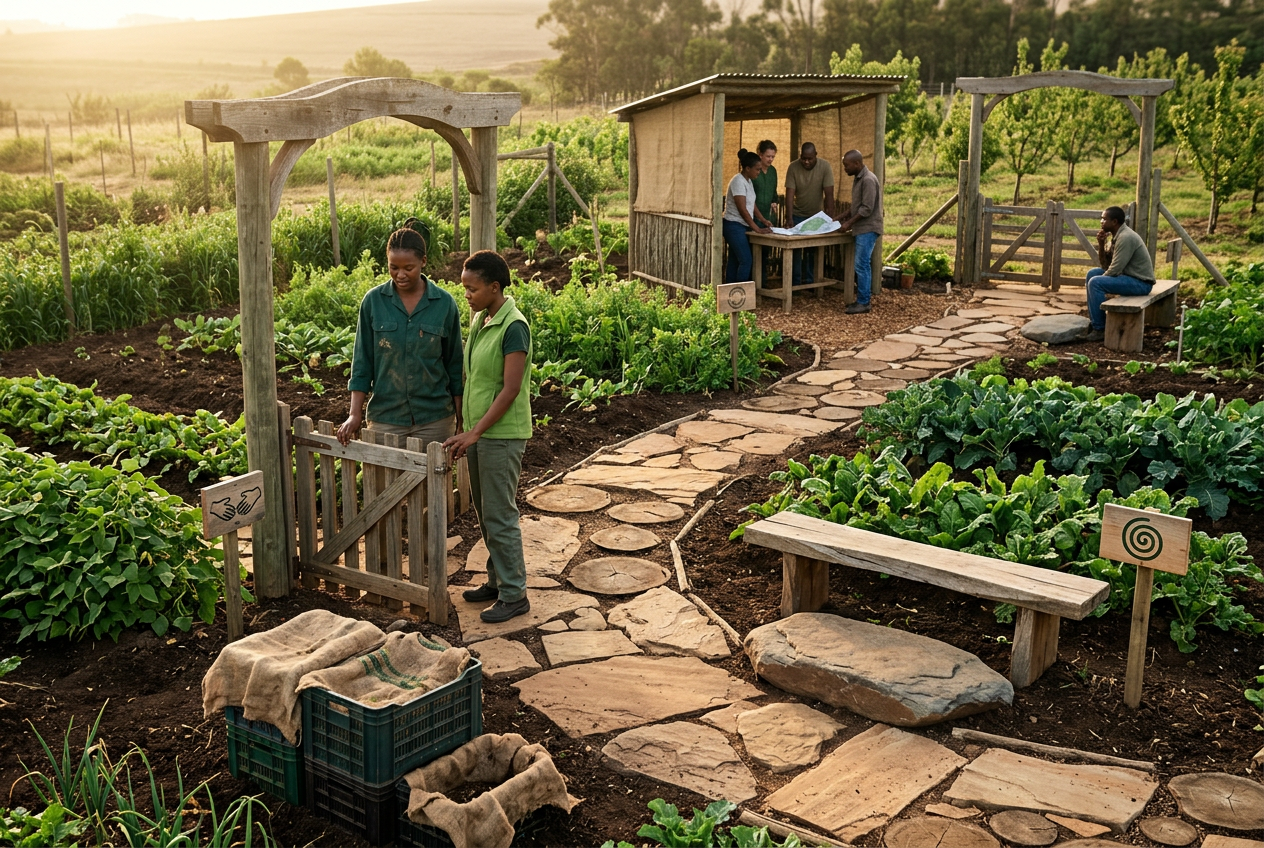
Co-learning without extraction
Do
- Ask who has authority before asking for content.
- Budget knowledge-holder time, review and governance.
- Keep restricted knowledge outside public records.
- Use attribution chosen by the knowledge holder or community.
- Seek fresh consent when purpose or audience changes.
Don't
- Treat workshop attendance as blanket consent.
- Record first and negotiate use later.
- Call knowledge public because several people know it.
- Use poverty or rescue narratives to market participation.
- Promise legal compliance without current specialist review.
Stop before capture unless
- The community has chosen whether and how to engage.
- Authority, participants and protected categories are clear.
- Purpose, audience, recording and storage are agreed.
- Attribution, benefit and future use are explicit.
- Review and withdrawal routes are practical.
- Translations and visuals will return for approval.
- Funding deadlines are being used to rush consent.
Indigenous knowledge training questions
Is verbal consent enough?
The appropriate form depends on community process, risk and intended use. Record agreement in a form the parties understand and can access, without assuming a signature alone proves informed consent. Obtain legal advice for the project where needed.
Can we publish knowledge already shared in a workshop?
Not automatically. Workshop sharing may be limited to that audience and purpose. Confirm publication, attribution, images, translation, commercial use and future reuse separately.
What if community members disagree?
Pause and follow the community's governance and dispute processes. Do not choose the most convenient approval or publish contested knowledge while authority and rights remain unclear.
Can Indigenous knowledge and scientific guidance appear together?
Yes, when the community agrees and the curriculum respects each knowledge system's evidence, limits and attribution. Avoid using technical language to rank community knowledge as merely anecdotal.
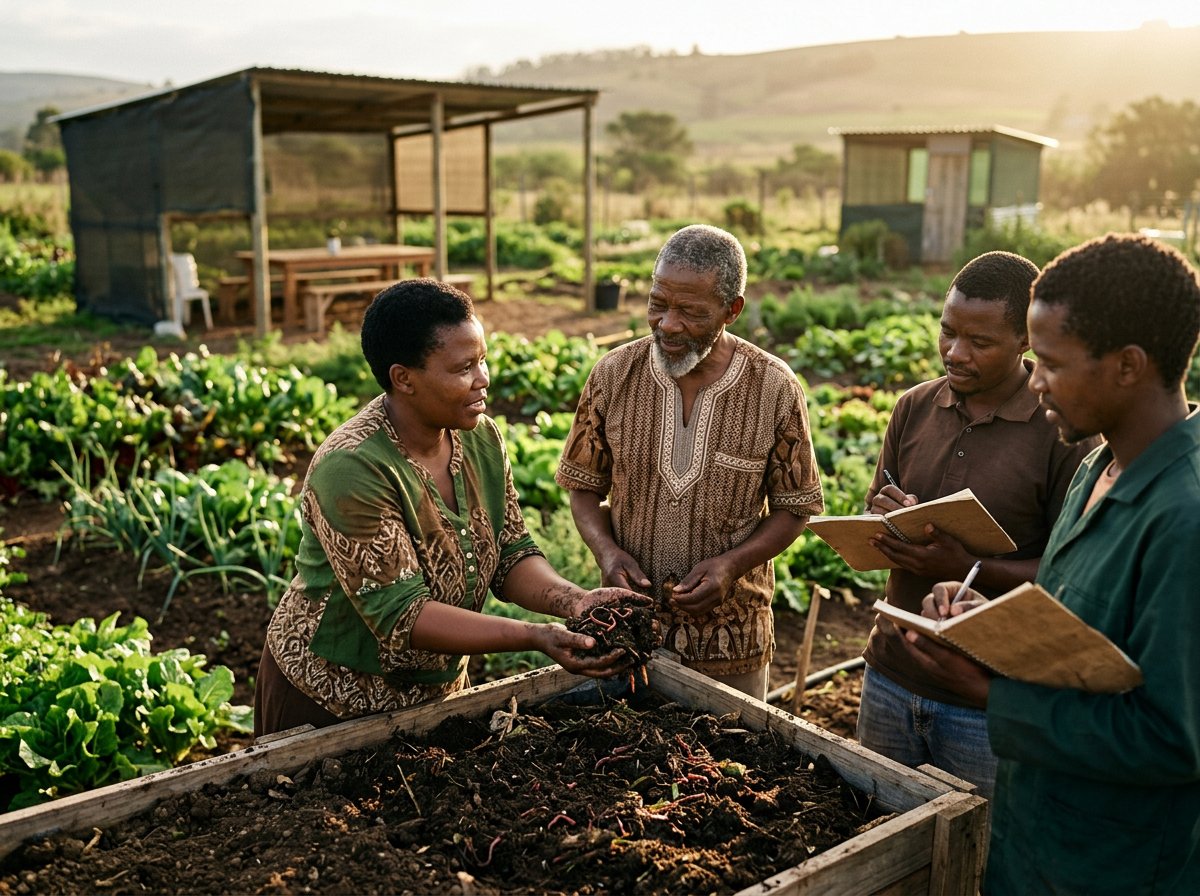
Begin with the relationship and governance
Green Earth Concepts can discuss a community-led training process that starts with purpose, authority, knowledge boundaries, language, review and benefit. The first output may be a governance plan—not a curriculum—and that can be the most responsible progress.
Consent governs use
- Begin with community authority, not a finished content brief.
- Define boundaries before capture.
- Agree attribution, benefit, review and future use.
- Treat consent as ongoing and purpose-specific.
- Keep protected knowledge protected.
Respect is visible in what the project refuses to take
A valuable curriculum does not need to capture everything offered to it. It needs trustworthy relationships, clear permissions and teaching that leaves knowledge holders with authority over their contribution. When the boundary is uncertain, pause before publication.