
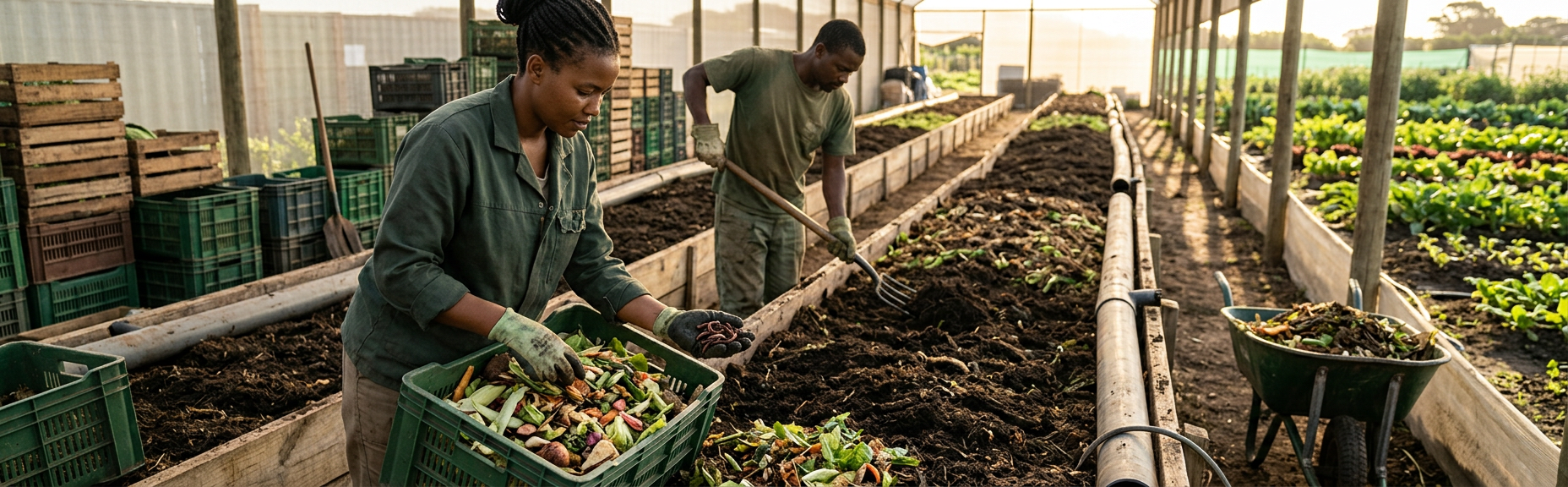
Worms do not see a menu; they experience conditions
A bucket labelled “food waste” can contain vegetable trimmings, sauces, hot cooked food, cleaning chemicals, plastic labels, cutlery and several litres of liquid. A crate labelled “farm waste” can change with the crop, season, pesticide programme, soil and weather. Those labels are useful for a sign, but they are too broad for a commercial worm farm feedstock decision.
Worms and microbes experience each material as moisture, structure, acidity, salts, energy, particle size, heat and possible hazards. The operator experiences it as weight, timing, odour, contamination, preparation work and storage pressure. A feedstock map connects both views before material reaches the bed.
Use this workbook with Green Earth Concepts' Commercial Worm Farms service or as preparation for an assessment. It does not declare any stream universally safe. Source history, concentration, veterinary or chemical residues, food-safety concerns, process scale and intended output use can change the decision.
Create one record for every stream at its source
Do not begin at the mixed holding area. Begin at the vegetable prep bench, plate-scrape station, produce display, packhouse line, poultry area, landscape team or processing step where the material is created. Give each stream a unique name that includes source and material, such as “main kitchen uncooked vegetable trimmings” rather than “kitchen waste”.
Observe the stream through a representative operating cycle. Record net kilograms, container volume, visible liquids, packaging, contaminants, particle size, odour, time of generation and how long it waits. Note whether it changes on weekends, after events, in a new crop season or when deliveries are rejected. Keep avoidable edible surplus separate so prevention or an approved redistribution pathway can be considered first.
Then document source history. Ask what cleaning products, treatments, preservatives, oils, salts, medicines, pesticides, herbicides or non-food materials may contact it. The purpose is not to make an operator perform laboratory risk assessment; it is to identify uncertainty early and route it to a competent person.
Finally, describe preparation and destination. Will packaging be removed? Will the material be drained, chopped, blended with clean bedding or stabilised first? If rejected, where will it go? A feedstock acceptance rule is incomplete without an alternative route and someone authorised to use it.
The feedstock mapping worksheet
| Field | What to record | Example of useful detail |
|---|---|---|
| Stream ID | Unique source and material name | PK-03: packhouse cabbage outer leaves |
| Quantity | Net kg by day plus peak and seasonal pattern | Normal 35–55 kg; harvest peak recorded separately |
| Physical condition | Particle size, moisture, free liquid, temperature, compaction | Whole wet leaves; dense when pressed into bin |
| Contamination | Type, frequency and source | Produce stickers from grading line; count in sample |
| Source history | Treatments, cleaning contact, additives or unknowns | Crop treatment record available from manager |
| Time and storage | Generation time, container, location and delay | Covered bin in shade; collected after each shift |
| Preparation | Sorting, size reduction, blending or stabilisation required | Remove labels, rough chop, trial with structural bedding |
| Decision | Approve, controlled trial, limit, exclude or specialist review | Controlled trial pending source-history review |
| Evidence owner | Person responsible for data and approval | Packhouse supervisor signs weekly record |
From inventory to a controlled decision
- 01
List streams without combining them
Create a separate row for every source-material combination. If two kitchens use different ingredients or cleaning practices, keep them separate until evidence shows they can share a rule.
- 02
Weigh and sample safely
Use tare weights and a consistent measurement boundary. Inspect only with an appropriate risk assessment, PPE and hygiene procedure. Never hand-sort unknown mixed waste to complete an article worksheet.
- 03
Record variability
Capture normal range, peaks, consecutive peak days and seasonal shifts. Add photographs from representative days. A one-off sample can miss the condiment bottle, packaging label or cleaning event that changes the risk.
- 04
Identify preparation and uncertainty
State what must happen before the stream becomes feed-ready and which questions require supplier, agronomic, veterinary, food-safety, environmental or laboratory input.
- 05
Assign one of five decisions
Use approve, controlled trial, limit, exclude or specialist review. “Approve” still means the stream must meet daily acceptance checks; it is not permanent permission regardless of change.
- 06
Trial one change at a time
Use a bounded marked zone, small amount and clear observation period. Record bed conditions before and after. If the material heats, smells strongly, attracts pests or triggers abnormal worm behaviour, pause and investigate.
- 07
Review whenever the source changes
New ingredients, suppliers, crop treatments, packaging, cleaning products, processes or seasons reopen the decision. Date every rule and name the reviewer.
Daily feedstock acceptance at the point of handover
- The container label matches an approved stream ID.
- The load is within the expected quantity and condition range.
- Packaging and visible contaminants are below the site's acceptance limit.
- There is no unexplained chemical, fuel or cleaning-product odour.
- Free liquid, heat and compaction are assessed before movement.
- Required preparation is complete and recorded.
- A trained person can reject or isolate the load.
- The load is accepted because it looks natural or biodegradable.
Keep the map useful
Do
- Do name material by source and process.
- Do retain raw daily weights behind averages.
- Do photograph representative clean and contaminated examples.
- Do define a safe route for every rejected load.
- Do review the map after operational changes.
Don't
- Don't merge every kitchen, farm or garden stream.
- Don't assume certified compostable packaging suits the actual process.
- Don't trial uncertain chemical or biological material casually.
- Don't count removed packaging as worm-feed capacity.
- Don't treat approval as permanent.
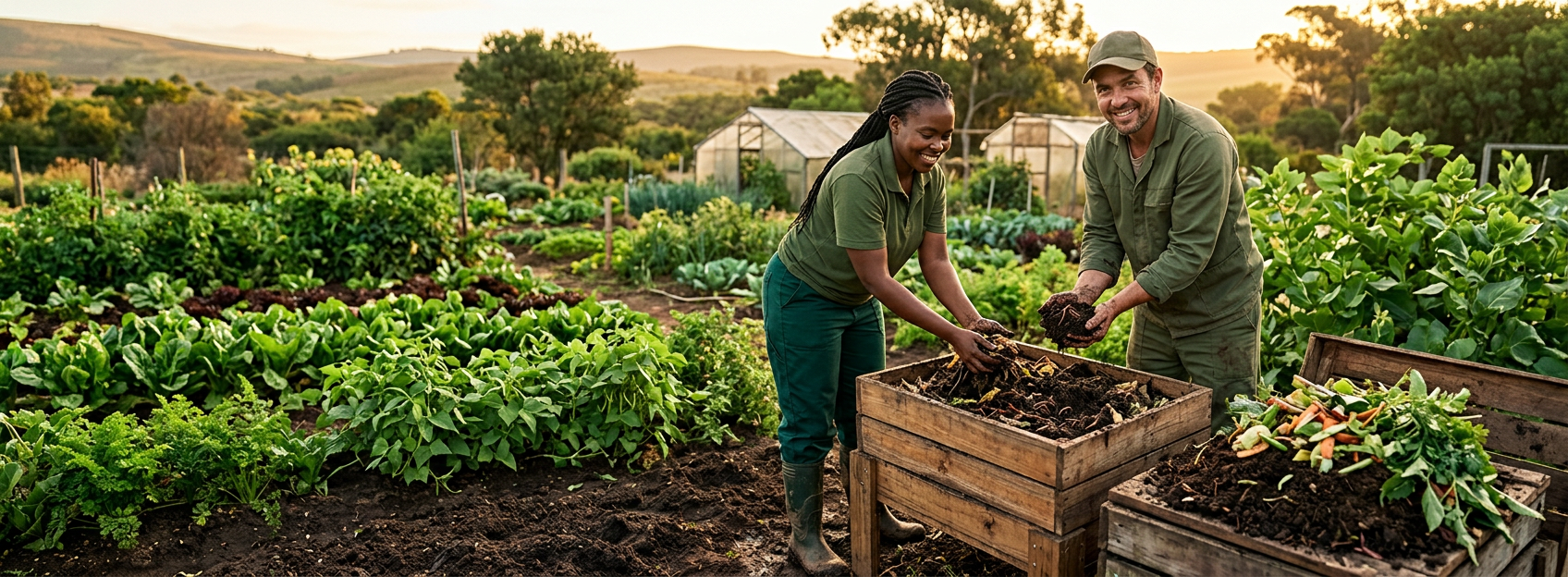
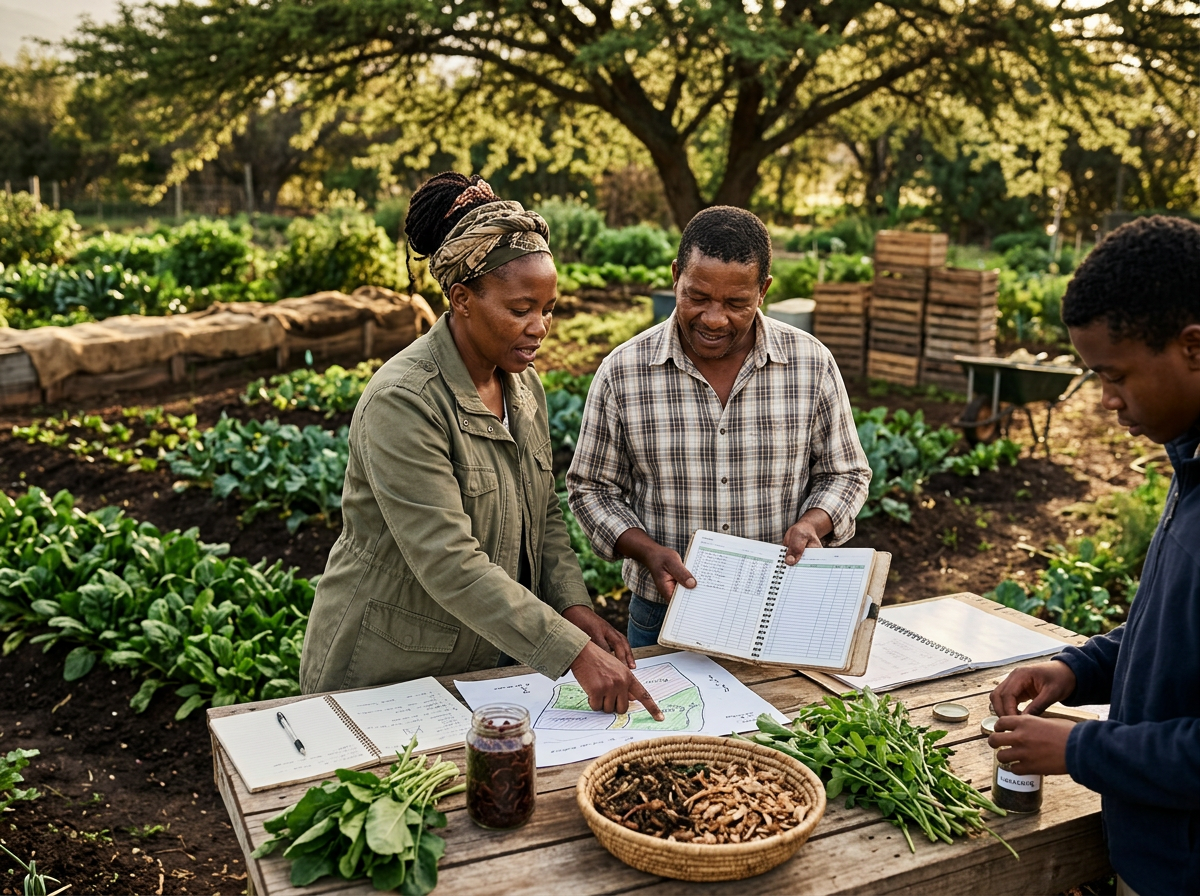
Bring a feedstock map, not a bag of guesses
Complete one worksheet row per stream and bring the evidence to a Green Earth Concepts site assessment. The team can review suitability, preparation, alternative routes and a controlled pilot against the real site.
Worm farm feedstock questions
Are fruit and vegetable scraps always safe for worms?
No. Suitability depends on source history, contamination, quantity, condition and the whole feed mix. Produce stickers, packaging, cleaning chemicals, treatments, extreme acidity, salt, free liquid and active heating can change the decision.
Can cooked food go into a commercial worm farm?
Some systems may accept defined prepared-food streams under controlled rules, but oils, salt, sauces, animal products, packaging and hygiene risks complicate them. Characterise the exact stream and seek site-specific guidance rather than using a blanket answer.
Should feedstock be chopped?
Reducing large pieces can increase surface area and improve consistency, but very fine wet material may compact. Choose preparation based on structure, moisture, equipment, operator safety and pilot observations.
When does feedstock need pre-composting?
Fresh, dense, heating or variable material may benefit from controlled stabilisation, but the reason and handover must be defined. Read the guide to pre-composting feedstock for worms and obtain specialist advice for pathogen-sensitive material.
Where can I find a fuller exclusion guide?
Use What Not to Put in a Commercial Worm Farm for a risk-based accept, prepare, trial, exclude or escalate framework.
Feedstock approval is a living control
The value of a map is not the spreadsheet itself. It is the shared decision at every handover: this material, from this source, in this condition, may follow this route today.
Keep streams separate, measure variability, name uncertainty and give trained staff authority to pause. That discipline protects the worms, the operators, the output and the credibility of the wider organic-waste programme.