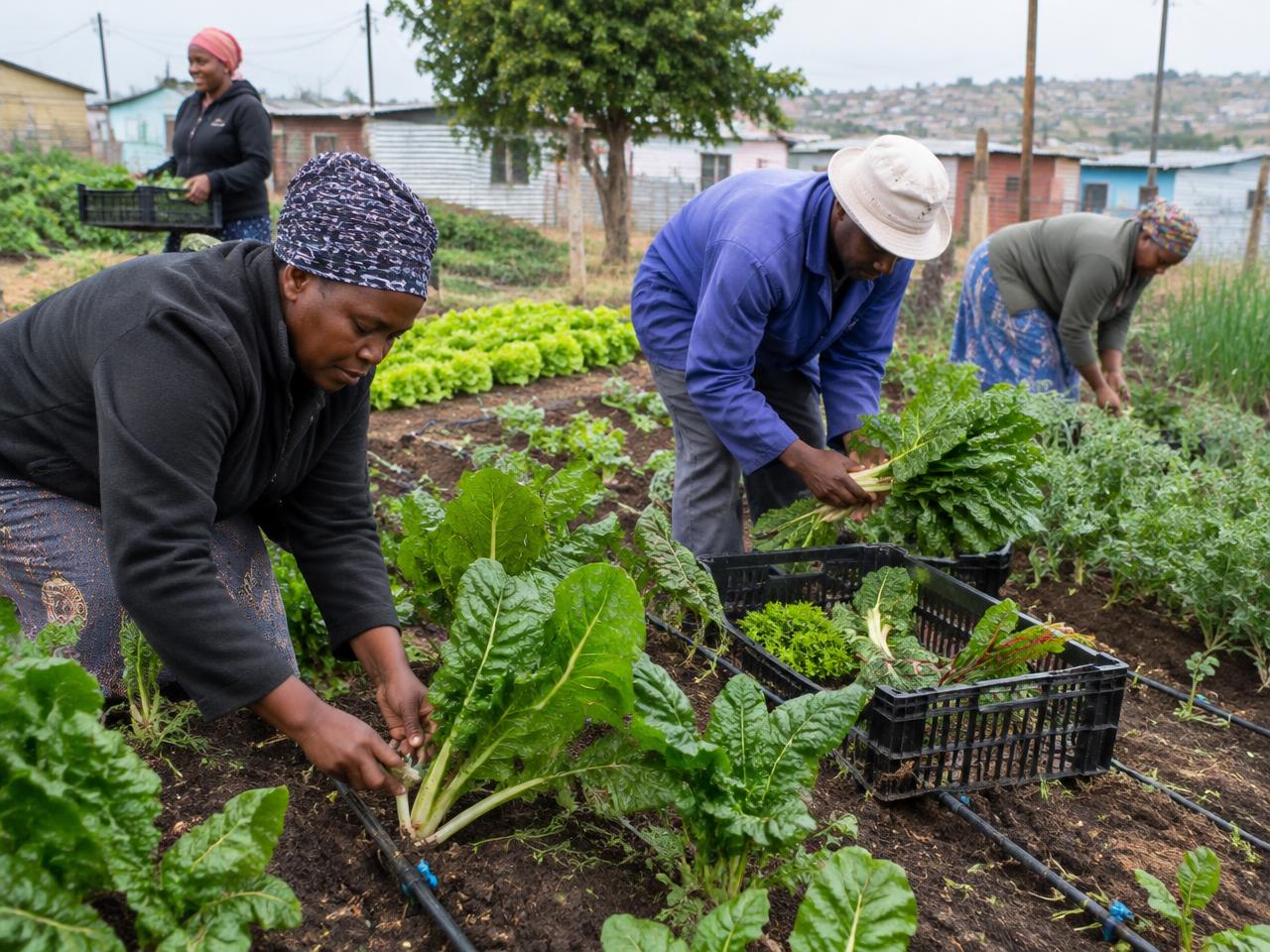
Worm farming for healthier growing
A site-appropriate worm farm can turn suitable organic material into useful soil inputs and create a hands-on learning opportunity.
Explore Commercial Worm FarmsA community food project needs more than a garden. It needs healthy soil, reliable water, practical knowledge and people who can care for it. Green Earth Concepts works with communities and partners to build systems around local needs and available resources.
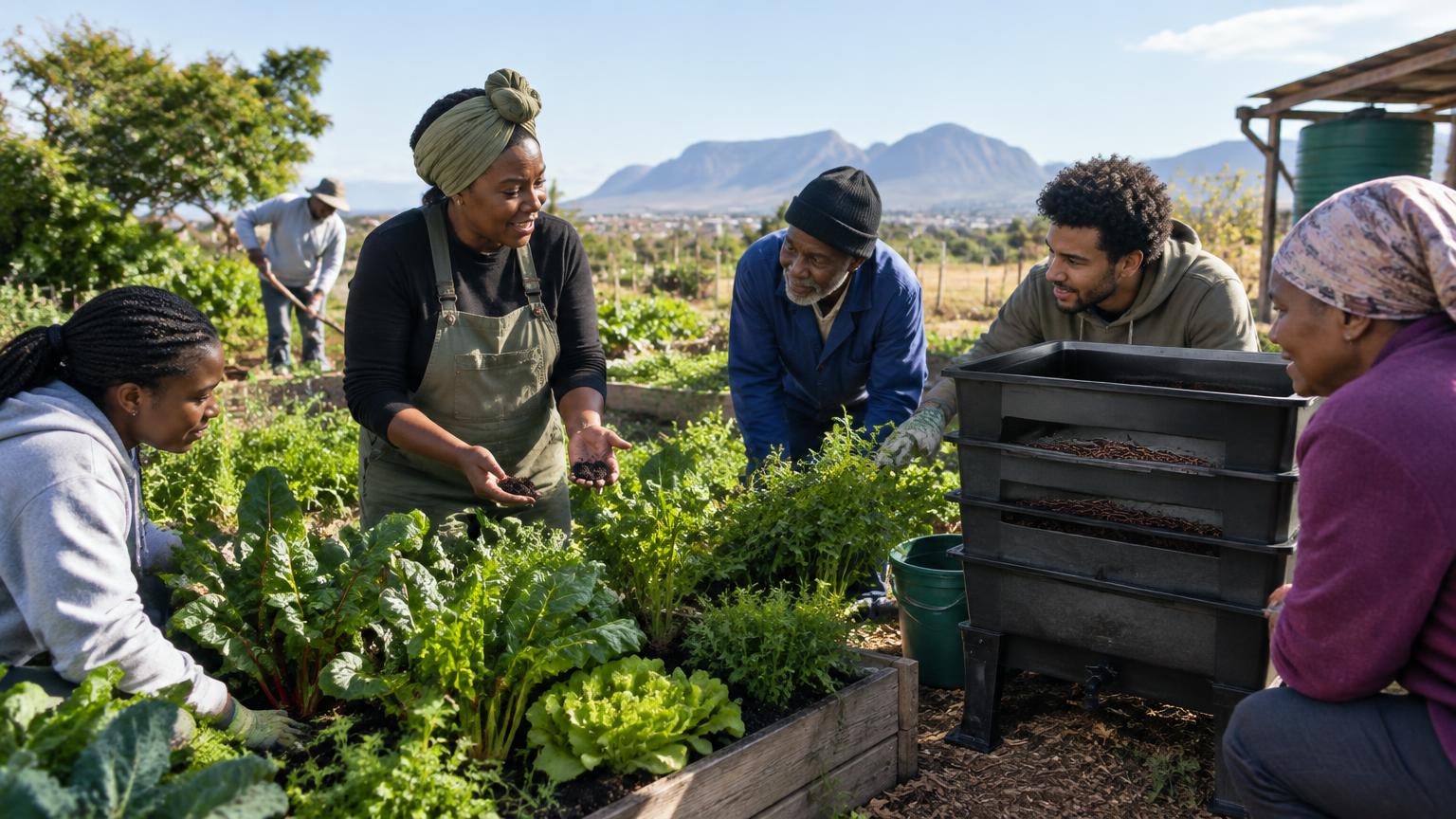
Communities may have land and enthusiasm but face unreliable water, poor soil, limited equipment or uncertainty about who will manage a project over time. Planning with the people involved helps create a system they can use and maintain.
Every system is designed around suitable materials, site conditions and the people responsible for it.
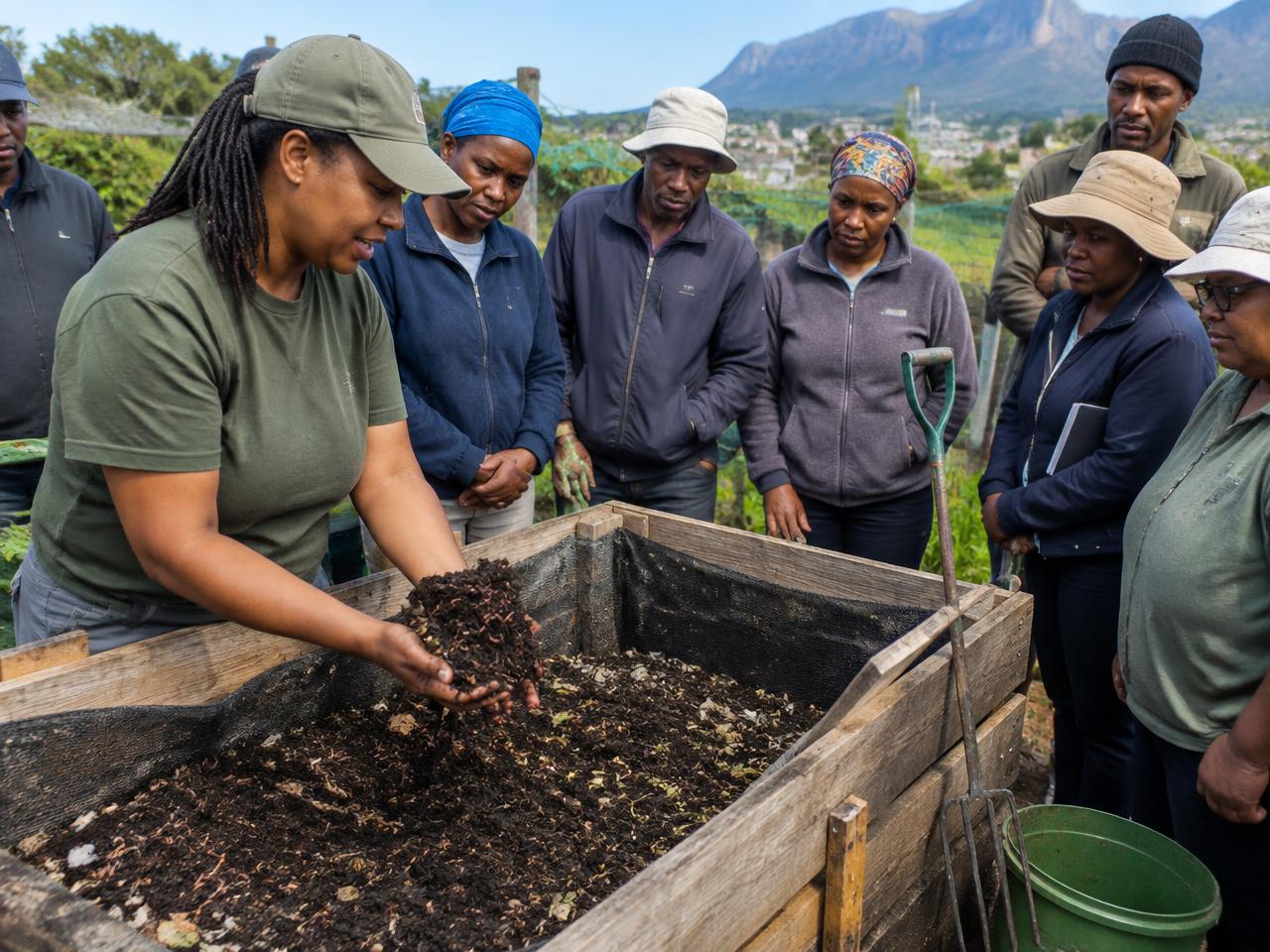
A site-appropriate worm farm can turn suitable organic material into useful soil inputs and create a hands-on learning opportunity.
Explore Commercial Worm FarmsWe help plan growing beds, soil preparation, planting and maintenance around the land, water and goals of the people involved.
An appropriate watering plan supports the growing area while considering local access, maintenance and available resources.
Practical training can cover worm care, soil, planting, watering and harvesting. Explore the Green Earth Academy for further organic farming learning opportunities.
We discuss your site, organic materials, space, water, people and goals.
We recommend a right-sized solution and provide a clear quote.
We set up the agreed system and practical operating routines.
We help the people responsible understand how to run and maintain it.
We are a female-led South African environmental solutions business with a hands-on approach to turning organic waste into useful resources. We design around real sites and the people who run them, bringing together worm farming, growing, irrigation and practical training.
Practical learning in worm farming, food growing and environmental systems for your team.
Visit the AcademyCommunity groups, organisations and partners can contact us to discuss a site and the people who will participate. A clear local point of contact helps planning.
We welcome conversations with potential partners. The scope, responsibilities and resources should be agreed for each project.
A practical plan for water, tools, named caretakers and ongoing routines is essential. We discuss these needs during assessment and training.
Start with a practical conversation about your site. We will help you identify a solution that fits your material, space and goals.