
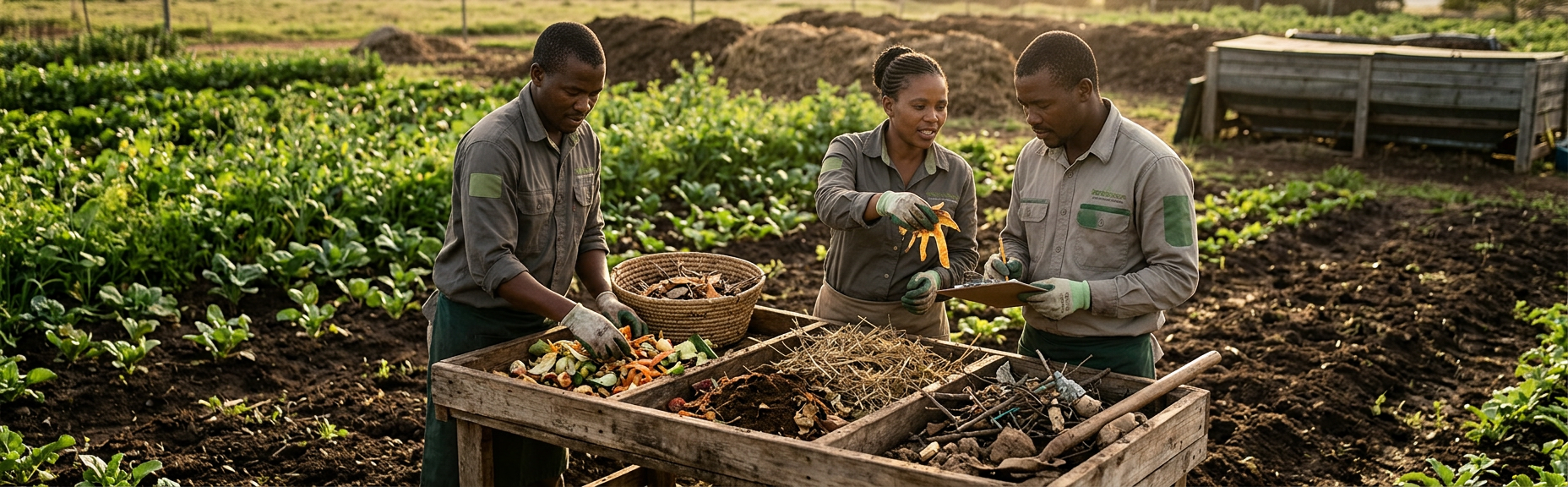
A tonne is not a treatment specification
Two sites can each report one tonne of organics and need completely different systems. One tonne may be mostly clean, wet preparation scraps produced steadily beside a suitable collection route. Another may be seasonal branches mixed with soil, plastic and packaged spoilage, generated far from power, water or a reliable operator. The mass is the same; the material behaviour and site fit are not.
Organic waste characterisation describes the stream well enough to screen options safely. It connects source, composition, physical condition, contamination, timing, hazards and likely end use. Green Earth Concepts uses this evidence to right-size organic waste recycling around the actual site rather than forcing every stream into the same technology.
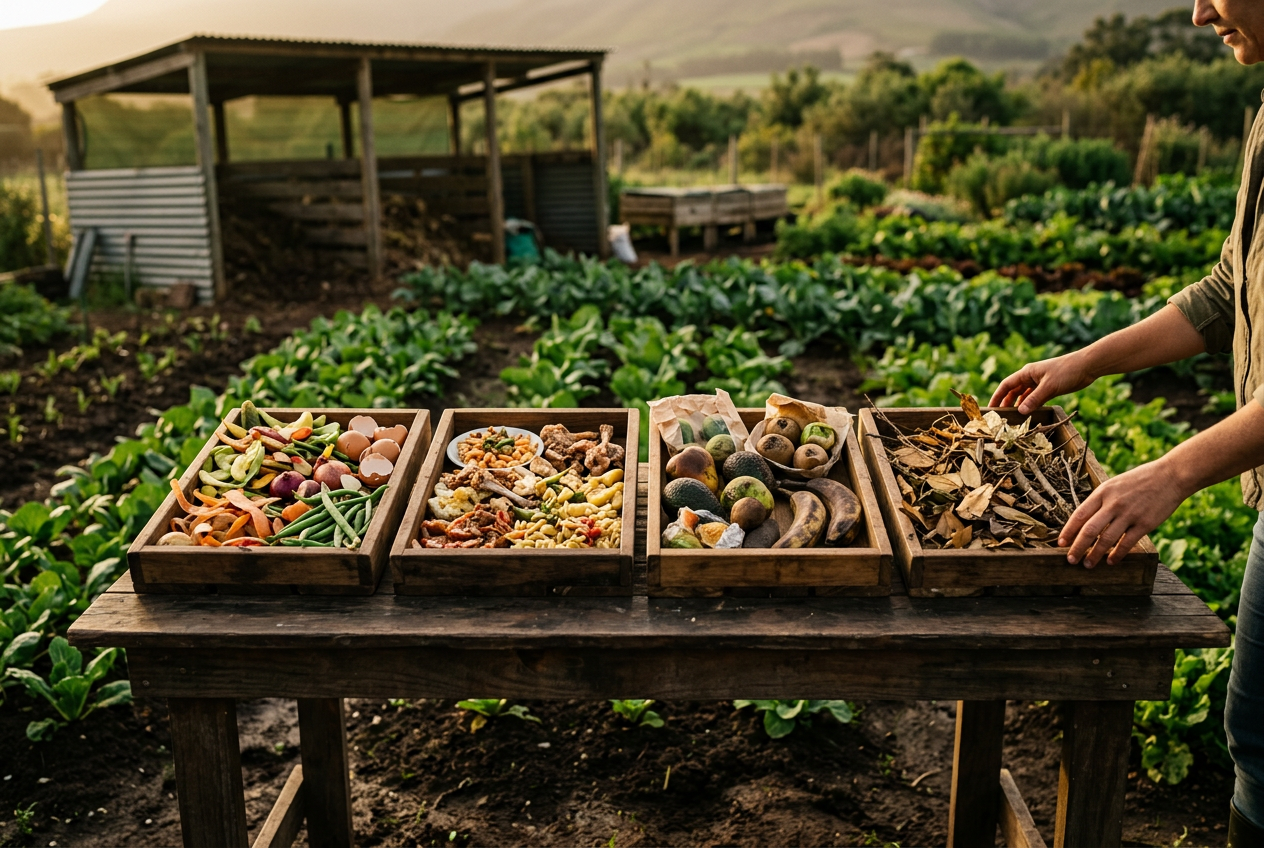
Characterise streams separately before combining them
Start with source. Preparation scraps, plate waste, spoiled packaged products, crop residues, lawn clippings, woody prunings, manure and process residues should not be treated as one category. Their moisture, structure, contamination, degradation rate, handling requirements and legal status may differ. Keep animal material, sludges, chemically exposed material and unknown waste separate until a competent person confirms a lawful, safe route.
Then ask what changes. Hospitality waste may peak after conferences and weddings. School waste follows terms and holidays. Farm residues follow harvests. Estates experience seasonal pruning and rainfall-driven garden work. A single sample from a convenient day can miss the material the system struggles with most. Use the seven-day organic waste audit as a baseline, then add seasonal observations where needed.
Characterisation is an option screen, not laboratory certification or legal classification. Visual and field observations can support planning, but claims about pathogens, nutrient content, contaminants, stability, maturity or product quality require appropriate sampling, methods and qualified interpretation.
Build a characterisation matrix
<p>Complete one row per stream and update it when menus, suppliers, seasons, operations or collection contracts change.</p><p><em>Use the </em><a href="/blog/organic-recycling-excluded-materials"><em>excluded materials safety guide</em></a><em> to create clear stop-and-escalate rules for unknown or unsuitable material.</em></p>
| Variable | What to record | Why it changes the decision | Do not assume |
|---|---|---|---|
| Source | Exact department, activity or land area | Links material to handling and prevention opportunities | All kitchen or garden waste is alike |
| Composition | Main items and approximate proportions using a documented method | Shows structure, likely degradation and accepted pathways | The category name predicts behaviour |
| Quantity | Mass or documented volume by day and peak | Sizes containers, collection and process capacity | A monthly average covers peak conditions |
| Moisture and free liquid | Field observation and any approved measurement | Affects handling, leachate risk, aeration and process balance | Wet material can be solved by any dry bulking material |
| Particle size and structure | Whole, chopped, fibrous, woody, dense, fine | Influences preparation, aeration, equipment and operator time | A shredder is always required or always safe |
| Contamination | Wrong items by source and agreed count or sample method | Can make a route unsafe, costly or unacceptable | Low contaminant mass means low operational impact |
| Packaging | Loose, bagged, wrapped, labelled or mixed | May require depackaging and create fragments or residues | Compostable-labelled packaging is accepted locally |
| Seasonality | Timing, duration and variability of peaks | Influences storage, temporary labour and spare capacity | One audit week represents the year |
| Hazards and restrictions | Known allergens, sharps risk, chemicals, animal matter, disease concerns, unknowns | Sets exclusions, controls and required advice | Organic origin means low risk |
| Current destination | Collector, processor, landfill, on-site use or unknown | Reveals logistics, evidence and contractual constraints | Separation equals recycling |
| Desired output or benefit | Compost use, soil amendment, energy, service outcome, avoided purchase, training | Tests whether the pathway has a credible purpose | An output automatically has demand or legal product status |
Turn field observations into an option screen
- 01
Confirm a representative dataset
Check whether included days, shifts and seasons cover the operating question. Document estimates and missing periods. Add a targeted sample where a high-impact stream is underrepresented.
- 02
Create written acceptance and exclusion lists
Use the proposed collector or processor's written criteria and current compliance position. Translate criteria into site-specific examples. Keep uncertain materials out until verified.
- 03
Match physical behaviour to handling
Ask how material will be contained, lifted, moved, prepared and fed into the process. Wet, heavy or fibrous material can create different manual-handling, drainage, odour and equipment needs.
- 04
Test capacity against peaks and downtime
Compare daily and weekly peaks with realistic operator availability, storage and contingency capacity. Include maintenance, load-shedding, storms, staff absence and collection failure.
- 05
Verify output demand and responsibility
Identify the actual recipient, use rate, quality requirements, storage and records for the output. A pathway is incomplete when compost, digestate, vermicompost or another output accumulates without a safe use.
- 06
Shortlist, then assess the site
Take the matrix into a technical and compliance review. The dedicated composting, worm farming or biogas comparison can frame the questions, but the final pathway must fit material, land, utilities, people and approvals.
Keep characterisation useful and honest
<p>The quality of the decision depends on the quality and limits of the evidence.</p>
Do
- Separate streams by source and cause.
- Record peaks, variability and unusual conditions.
- Use written processor acceptance criteria.
- State when a value is observed, estimated or tested.
- Include operator time, storage and end use in the option screen.
Don't
- Use one average moisture or composition figure copied from another site.
- Assume every compostable-labelled item will break down in the chosen process.
- Blend contamination into the percentage and ignore its type.
- Select machinery before mapping safe handling and maintenance.
- Publish community knowledge, images or local practices without consent and attribution.
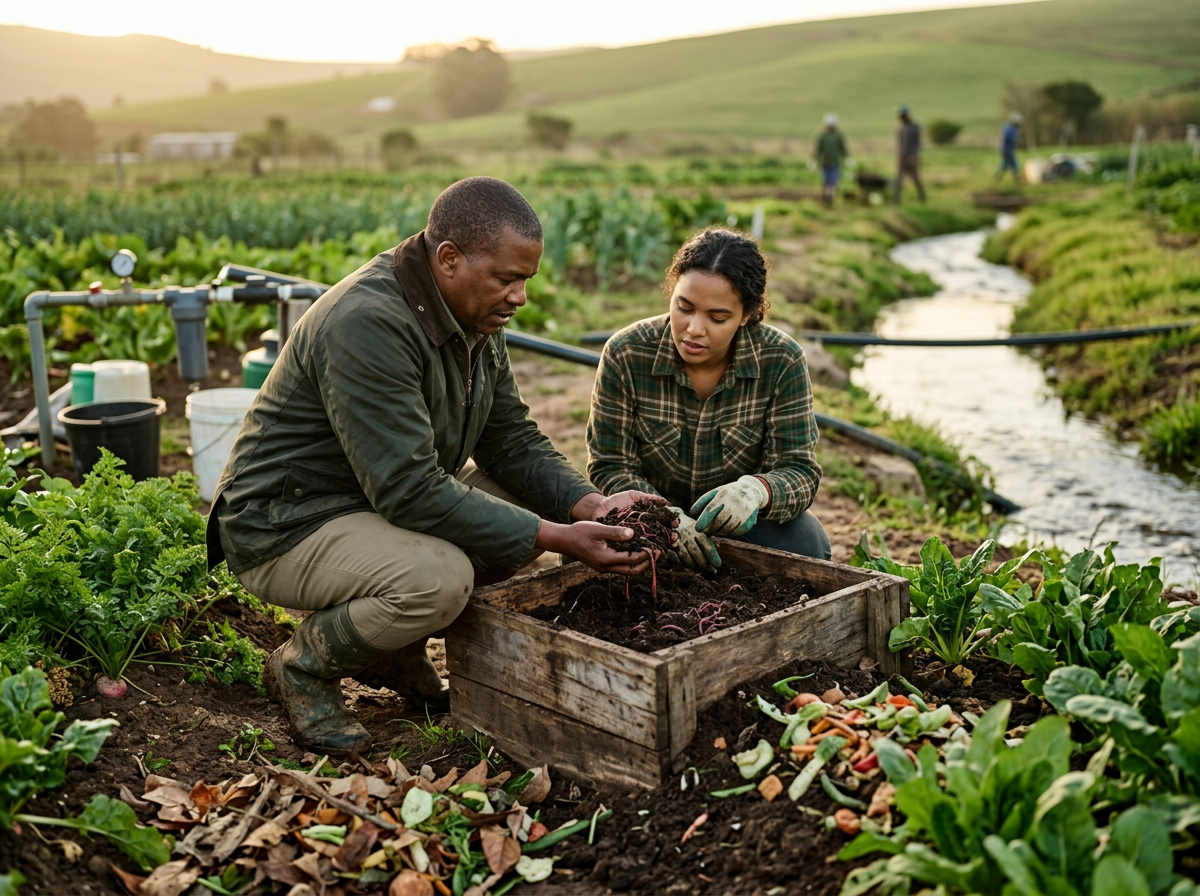
Bring representative stream data, not a monthly total alone
A site assessment can test the characterisation against the real route, holding area, utilities, operator capacity, treatment options and end uses. That is the point where a spreadsheet becomes a workable system brief.
Characterise before you specify
- Treat each source stream as its own material profile.
- Measure quantity, composition, contamination and peaks with a documented method.
- Describe physical behaviour and handling needs, not only kilograms.
- Keep unknown and higher-risk material separate pending competent review.
- Verify acceptance criteria, compliance requirements and output demand.
- Avoid extrapolating one convenient sample across a variable year.
- Use professional assessment when the shortlist affects infrastructure, drainage, machinery, permits or sensitive neighbours.
Choose from evidence, not enthusiasm
Characterisation does not make the final decision, but it makes poor decisions easier to reject. When you can describe where material comes from, how it behaves, when it peaks, what contaminates it, what risks it carries and where a verified output can go, technology conversations become more grounded. Keep the matrix alive as operations change; the right system for last year's stream may not be the right system for the next one.