

Every wrong item points upstream
Contamination is data. A plastic produce bag may point to a packaging step; a glove may point to a cleaning station with no residual bin; a tea bag may reveal unclear acceptance criteria; a whole mixed bag may reveal a collection handover that destroys separation after staff did the right work. The item is evidence of a system decision, not a reason to shame the nearest employee.
Organic recycling can fail when unsuitable materials damage equipment, reduce output quality, create safety concerns or cause a processor to reject a load. Green Earth Concepts treats contamination control as part of organic waste recycling: measure consistently, trace the source, correct the cause, communicate clearly and verify the next load.
Agree what counts before calculating a rate
Use the recipient's current written acceptance criteria. Create site examples for accepted, excluded and stop-and-ask items. Compostable-labelled packaging, tea bags, serviettes, animal products, liquids and bioplastics are not universally accepted. The intended process, site controls and legal requirements determine the route.
Choose a safe observation method. For a small controlled sample, record the number or mass of wrong items by type and source; for higher-risk or inaccessible loads, use visual checks at safe handover points. Keep the method constant between checks. A contamination percentage based on mass can understate light films and labels that still cause major operational problems, so report the top items as well as any rate.
Do not open unknown bags, climb into skips or sort hazardous material. If sharps, chemicals, sanitary waste, healthcare risk waste, animal matter of uncertain status or unknown residues appear, isolate the area according to site procedure and obtain competent advice.
Ask the recipient to report contamination in a form the site can act on: item type, collection date, source or route where known, and whether the load was accepted, downgraded or rejected. A photograph can support the report only when it is safe, relevant and free of unnecessary personal information. Vague feedback such as 'the load was bad' cannot guide a focused correction.
Turn the top contaminants into cause questions
<p>Start with the three items seen most often or causing the greatest risk—not a generic awareness campaign.</p><p><em>Use </em><a href="/blog/organic-recycling-excluded-materials"><em>what does not belong in organic recycling</em></a><em> to build a clear safety and exclusion guide.</em></p>
| Observed item | Likely source question | System correction to test |
|---|---|---|
| Plastic produce bag | Where is produce unpacked, and is a residual container within reach? | Pair containers at unpacking and remove packaging before the organic step |
| Label or sticker | Can the accepted material be prepared without a rushed label-removal step? | Change prep sequence, supplier specification or acceptance rule |
| Glove or cleaning cloth | Does the cleaning task have its own visible disposal route? | Add the correct residual container and brief the cleaning handover |
| Whole mixed bag | Was material rebagged, collected or consolidated incorrectly? | Trace bag and trolley handoffs; use distinct containers and custody checks |
| Compostable-labelled serviceware | Has the actual processor approved this product and operating condition? | Exclude unless written acceptance is confirmed; update purchasing if necessary |
| Unknown liquid | Which station generates it, and is disposal controlled? | Stop acceptance and obtain a safe, lawful route before retraining |
The hotspot correction cycle
- 01
Locate
Record item, source, shift, station and handover. Observe where it first enters the organic stream. Ask operators what made the decision unclear or awkward. Do not infer the source from the final holding area alone.
- 02
Correct
Change the physical or procurement cause: move or pair containers, adjust the opening, replace an unclear label, change the unpacking sequence, provide a residual route, confirm processor criteria or review a purchased material. Use the source-separation station guide for a full workflow test.
- 03
Communicate and practise
Show the actual contaminant and the correct decision using a clean training sample or image. Explain why it matters to the recipient. Let each relevant role practise at the real station. For larger or changing teams, train kitchen and facilities teams with onboarding and supervisor follow-up.
- 04
Verify
Repeat the same observation method after the correction. Check the next relevant shifts and at least one peak. If the item remains, revisit the assumed source and handoffs. Keep changes that improve the load without creating new safety, cleaning or workload problems.
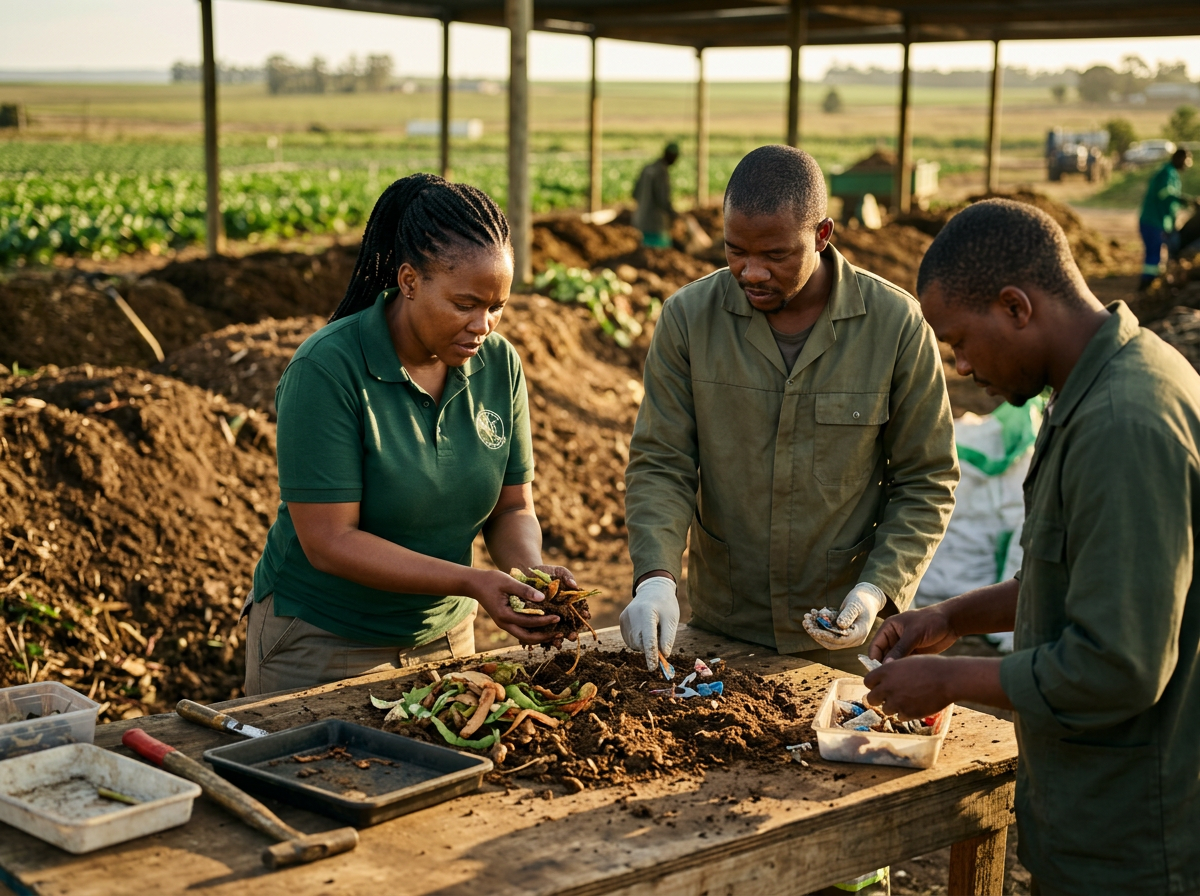
A waste supervisor and team inspect a small organic-waste sample and isolate common contaminants.
Use a representative sample, not a spectacle
A small, safely obtained sample can support a team conversation: show accepted material, isolate the top wrong items, and trace each to its source. The purpose is to improve the system, not to spread waste across a table for a dramatic photograph. Record the item types, action owner and recheck date. Clean and close the area according to the site's procedure.
Corrective action record
<p>Close each contamination issue with these fields:</p>
- Contaminant and source — Defines the actual problem.
- Observation method and date — Makes the recheck comparable.
- Likely workflow or purchasing cause — Moves action upstream.
- Physical or procedural correction — Prevents awareness-only responses.
- Roles trained and practice observed — Confirms the change is usable.
- Owner and completion date — Creates accountability.
- Recheck result and unintended effects — Shows whether the correction worked safely.
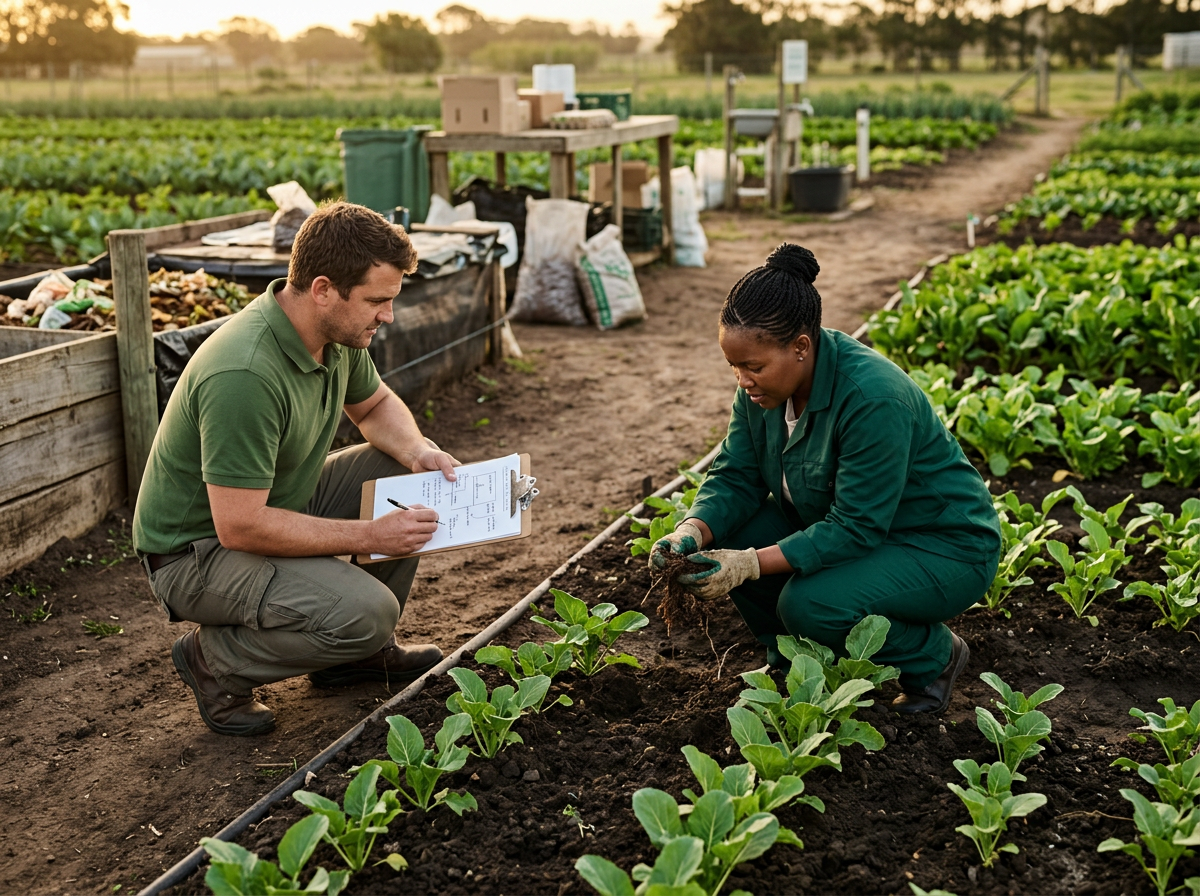
Find where contamination enters the route
A site diagnostic can inspect source stations, packaging and procurement choices, internal movement, holding areas, recipient criteria and team routines—then prioritise corrections that can be measured.
Fix the cause before rejecting the people
- Use written recipient criteria to define contamination.
- Measure with one safe, repeatable method and name the top items.
- Trace every item to the first source and handoff, not only the final bin.
- Correct station design, purchasing or process before repeating a poster.
- Practise the real decision and verify the next peak shift.
- Avoid shaming, unsafe sorting and unsupported percentage claims.
- Escalate persistent or higher-risk contamination for site assessment.
Let the wrong item teach you where to improve
A cleaner load is the result of many small system choices: accepted materials are clear, the right station is easy to use, packaging is removed at the correct point, handoffs preserve separation and feedback arrives quickly. Choose one contaminant, trace it upstream, correct one cause and repeat the same check. That is how contamination data becomes operational learning.