

Odour is evidence, not a cosmetic problem
Air freshener hides evidence. Time, temperature, exposure, residues, free liquid, damaged containers and delayed movement reveal the cause. Flies or rodents also tell you that material, shelter or access is available somewhere in the system. Treating only the smell or visible pest may leave that cause untouched.
A stable organic waste recycling operation prevents nuisance through good separation, closure, storage, cleaning, collection and process control. When problems appear, use the sequence below. Do not improvise chemical treatments or place staff at risk. Active infestations, suspected disease vectors, unknown fumes, hazardous waste, major spills or impacts beyond the site need competent environmental-health, pest-management, safety and municipal support.
Locate by stream, station and time
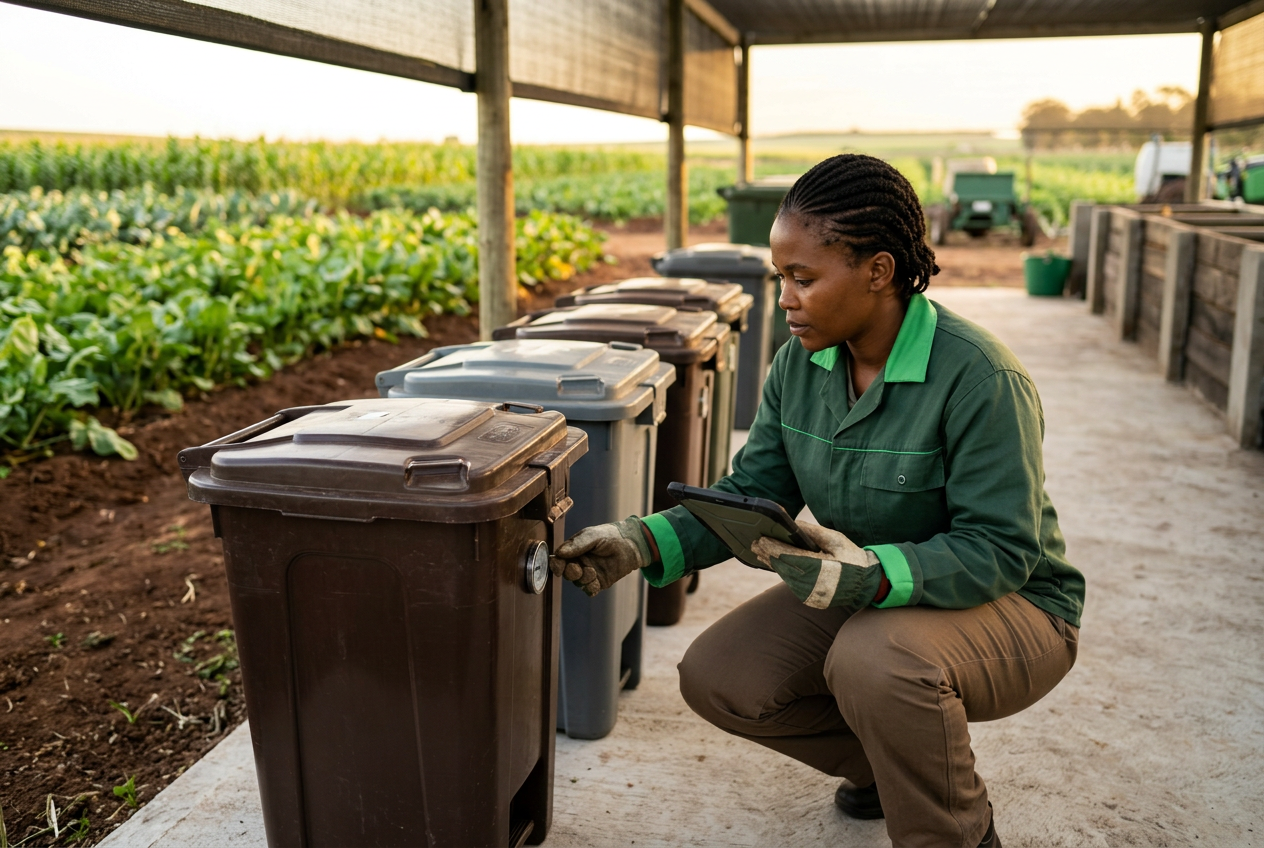
Walk from the complaint point back through the system. Note when the nuisance is strongest: after lunch, before collection, after a hot weekend, during a missed pickup, after wash-down or near one container. Inspect without unnecessary disturbance. Check closure, cracks, residue, spillage, standing liquids, damage, exposed bags, nearby drains, cleaning tools, vegetation and any alternative food or shelter source.
Separate the organic-waste cause from other possible sources. A drain, grease area, damaged sewer connection, animal feed, garden mulch, stagnant water or building gap may produce a similar complaint and require a different competent service. Record observations and photographs only where safe and necessary, avoiding identifiable staff or neighbours.
Do not mix stronger chemicals, spray waste indiscriminately or apply agricultural pesticides in a workplace nuisance area. Products, applicators and methods must be lawful, appropriate to the setting and used according to the label, safety information and professional advice.
Use a simple nuisance log rather than relying on memory. Record the first detection, exact location, time, weather or heat conditions, nearby operations, material age, container status, collection history and action taken. Ask whether the issue is constant or intermittent and whether it follows a particular shift, meal service or weekend. Do not ask untrained staff to identify pest species or rate exposure beyond their competence. The purpose is to give a qualified person a clearer pattern.
Locate, contain, correct and verify
- 01
Locate the source
Identify the exact container, surface, route, drain, process point or neighbouring source associated with the time pattern. Check material age, temperature exposure, collection record, closure and residues. If plastic or unsuitable materials are trapping residues or disrupting the process, reduce organic-waste contamination at the source.
- 02
Contain exposure
Restrict unnecessary access, close compatible containers, isolate a leaking unit using the site's approved procedure, protect food and public areas, and notify the responsible manager. Use task-appropriate PPE and spill controls. Do not move the problem to open ground, a public bin, stormwater or another unapproved area.
- 03
Correct the process cause
Remove material through the approved route, clean containers and surfaces with an approved method, repair or replace damaged closures, change the collection interval, reduce peak holding time, improve shade or security where appropriate, and close access gaps through competent maintenance. Use the full organic-waste storage and collection plan when capacity, drainage or vehicle access contributes.
- 04
Verify and prevent recurrence
Reinspect at the same time and condition when the nuisance previously appeared. Record odour location and intensity using a simple consistent site method, pest evidence, closure, cleaning, holding time and collection performance. Review after the next hot period, peak shift or weekend. If missed collections recur, activate an organic-waste contingency plan. Ask the affected operator or neighbour whether the original pattern changed, while avoiding any promise that a single quiet inspection proves permanent control.
Nuisance inspection record
<p>Use the same fields each time so improvement can be checked.</p>
- Date, time, weather and complaint location — Shows the pattern.
- Exact suspected source and stream — Prevents generalised cleaning.
- Material age and last collection — Tests holding-time causes.
- Container closure, damage and residue — Identifies access and cleaning failures.
- Spills, standing liquid and nearby alternative sources — Broadens the root-cause check.
- Immediate containment and responsible owner — Creates control and accountability.
- Corrective action and recheck time — Shows whether the process fix worked.
- Professional or authority escalation — Records when the problem exceeded routine operations.
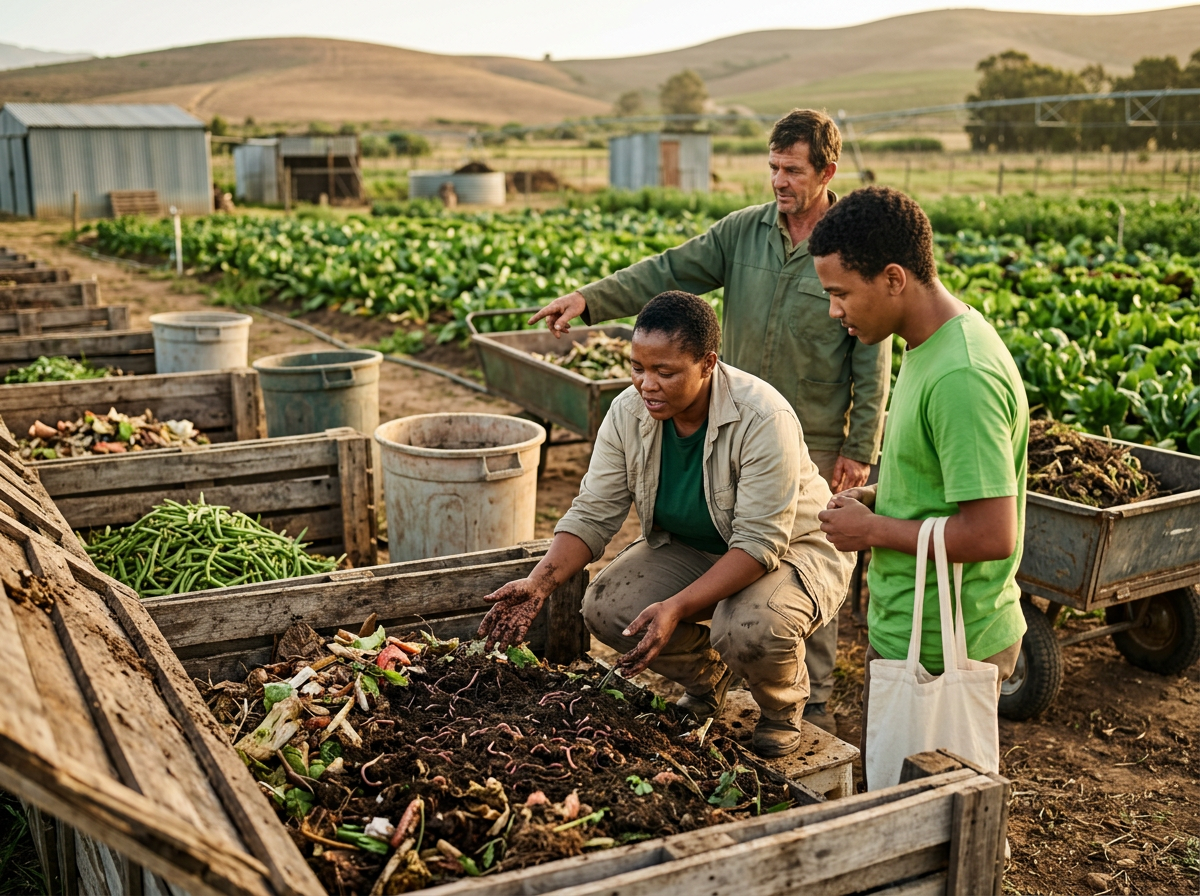
Assess persistent nuisance at the source
A site assessment can inspect generation peaks, containers, routes, holding intervals, cleaning, collection reliability, drainage constraints, process condition and team routines before recommending corrective work.
Fix the conditions that feed the nuisance
- Trace odour and pests by place, stream and time.
- Contain access and leakage before cleaning or moving material.
- Correct closure, residue, holding interval, capacity and exclusion failures.
- Verify under the same peak or hot-period conditions.
- Avoid fragrance, indiscriminate spraying and improvised chemical mixtures.
- Distinguish waste-area causes from drains, sewer faults, feed, water and building issues.
- Escalate active, persistent or off-site nuisance to competent professionals and authorities.
Let the evidence lead you to the process failure
Odour and pests are rarely solved by hiding the symptom. Locate the source, protect people and the environment, correct the operating condition and return under the same circumstances to verify the result. If the nuisance returns, treat that as new evidence. Persistent problems deserve a competent assessment before complaints, exposure or damage become the normal cost of the system.